Translate
Overview
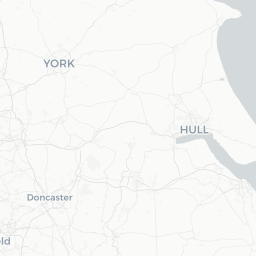
Lincoln is a compact cathedral city in the East Midlands county of Lincolnshire, sitting on and around a dramatic limestone ridge that rises sharply from the flat surrounding plain. Its skyline is dominated by Lincoln Cathedral, one of the finest examples of Gothic architecture in Europe, which held the record as the world's tallest structure for over two centuries during the medieval period.
The city divides naturally into two distinct areas: the historic Uphill quarter around the Cathedral and Castle, and the more commercial Downhill district centred on the High Street and Brayford Waterfront. This contrast — ancient hilltop monuments minutes from a busy modern town centre — is one of Lincoln's defining characteristics.
Despite a population of just over 100,000, Lincoln carries a cultural weight disproportionate to its size. Roman, Viking, Norman, and medieval layers are all visible in its streets and buildings, and the city played a significant role in both World Wars, particularly as a base for RAF Bomber Command, a history commemorated at the International Bomber Command Centre on the city's outskirts.
Lincoln is often overlooked by visitors passing through the East of England, which works in its favour: crowds are manageable, prices tend to be reasonable compared with more touristed English cities, and the locals are generally welcoming. It rewards slow, unhurried exploration.
Before You Go
Visas
The United Kingdom operates its own immigration system independent of the EU. Entry requirements depend on your nationality and purpose of visit. Check TravelerPulse's Visas section and the UK Visas and Immigration pages on the official GOV.UK website for current requirements before travel.
What to Pack
Lincoln's defining geographical feature — Steep Hill — is exactly what it sounds like. Comfortable, grippy footwear is essential. The weather in Lincolnshire is variable year-round; layering is advisable even in summer, and a waterproof jacket is always worth packing.
Health
Visitors from the UK and those eligible under reciprocal health agreements can access NHS services. International travellers should carry comprehensive travel health insurance. No vaccinations are required for travel to the UK beyond your standard routine immunisations — verify any updates via your country's health authority.
Money
Lincoln is well served by ATMs throughout the city centre and Brayford Waterfront area. Card payment is widely accepted, including contactless. Smaller independent shops and market stalls may prefer cash, so it is worth carrying some.
Getting There
By Train
Lincoln Central station is the city's main rail hub and is well connected by regional services. Direct trains run from Nottingham, Sheffield, and Newark North Gate (where you can connect to East Midlands Railway and LNER services toward London King's Cross). Journey times and schedules vary; check National Rail (nationalrail.co.uk) for timetables and fares.
By Car
Lincoln sits near the A1 trunk road, making it accessible by car from north and south England. The A46 connects it with the M1 motorway corridor to the west and the Humber Bridge direction to the north-east. Note that parking in the Uphill / Cathedral quarter is limited; several car parks exist in the Downhill area and near Brayford Waterfront, with a park-and-ride service also available — verify current locations and charges locally or via Lincolnshire County Council.
By Bus
National Express and regional coach operators serve Lincoln from several major cities including London, Nottingham, and Sheffield. Verify current routes and timetables on the respective operator websites.
Nearest Airports
Humberside Airport is the closest regional airport, though with limited scheduled routes. The majority of visitors fly into East Midlands Airport or Leeds Bradford Airport and continue by road or rail. London airports (Heathrow, Gatwick, St Pancras rail connection via HS1) are accessible but involve a longer onward journey to Lincoln.
Getting Around
Lincoln's key visitor attractions are concentrated in two walkable areas: the Uphill historic quarter and the Downhill city centre. The walk between Brayford Waterfront and Lincoln Cathedral takes roughly 20–25 minutes on foot, though the ascent via Steep Hill is strenuous.
Local buses operated by Stagecoach serve the wider city, including routes that can take you up toward the Cathedral area if the hill is a concern. Taxis and rideshare apps operate in the city. A useful option for those with mobility considerations is to take a bus or taxi uphill and walk back down.
Cycling infrastructure exists but is limited in the historic core due to the terrain and narrow streets. The wider Lincolnshire countryside is popular with cyclists; bike hire may be available — verify locally.
For the International Bomber Command Centre, located on the southern edge of the city, a car or taxi is the most convenient option as it is not easily walkable from the centre.
Things to See & Do
Lincoln Cathedral
Founded in 1072 and rebuilt and extended over several centuries, Lincoln Cathedral is widely regarded as one of the great Gothic buildings in the world. Guided tours, tower climbs (seasonal — verify availability and booking on the Cathedral's official site), and access to the medieval Angel Choir are among the highlights. Admission charges apply for non-worshippers; verify current fees at lincolncathedral.com.
Lincoln Castle
Directly opposite the Cathedral, Lincoln Castle contains one of four surviving copies of Magna Carta (1215), displayed in a dedicated vault. The castle walls can be walked, offering panoramic views across the city and surrounding countryside. Admission charges apply — verify at lincolncastle.com.
The Bailgate and Uphill Quarter
The area immediately around the Cathedral and Castle retains much of its medieval street pattern. Newport Arch, a Roman gateway on Bailgate, is thought to be the oldest arch in Britain still used by traffic. Wandering this area — taking in independent shops, galleries, and cafés housed in historic buildings — is an attraction in itself.
Steep Hill
The cobbled Steep Hill connecting the Uphill and Downhill districts is lined with independent bookshops, antique dealers, tea rooms, and gift shops. It frequently appears on lists of Britain's most picturesque streets. Allow time to browse rather than simply transit.
International Bomber Command Centre
Opened in 2018, this memorial and interpretive centre on the southern outskirts honours the 55,573 aircrew lost in Bomber Command operations during the Second World War. The landscape memorial and exhibition are moving and thoughtfully designed. Verify current opening hours and admission at internationalbcc.co.uk.
The Collection Museum and Usher Gallery
The Collection is Lincolnshire's main archaeology and history museum, tracing the region from prehistoric times through to the medieval period. The Usher Gallery alongside it focuses on fine and decorative arts. Check opening hours and any admission charges on the official site before visiting.
Brayford Waterfront
The inland harbour known as Brayford Pool is one of England's oldest recorded inland ports, with Roman origins. Today it is lined with bars, restaurants, and the University of Lincoln campus. A pleasant spot for an evening walk or meal.
Food & Drink
Lincoln's food scene has developed considerably in recent years, with the Uphill quarter in particular offering a range of independent cafés, restaurants, and wine bars catering to visitors and the university community. The Steep Hill and Bailgate area concentrates a number of well-regarded independents.
What to Try
- Lincolnshire sausage: A locally distinctive pork sausage seasoned with sage, widely available in cafés and butchers throughout the city and county.
- Plum bread: A traditional Lincolnshire fruit loaf, often served with Red Leicester cheese — an acquired but very local combination.
- Haslet: A Lincolnshire pork meatloaf, available from local butchers and delis.
Eating and Drinking
Downhill, the High Street and Brayford Waterfront have a mix of national chains and independent venues. The university presence means the city supports a reasonable range of cafés and casual dining. For more atmospheric dining, the Uphill area and Steep Hill are better bets. The city also has several traditional English pubs, some in historic buildings.
As with any UK city, it is worth reading current reviews (Google, TripAdvisor) before booking, as the restaurant scene evolves. Advance booking is advisable for weekend evenings and during major events such as the Christmas Market.
Shopping
The Downhill district around the High Street offers the familiar mix of UK high-street and national chain retailers. The Bailgate and Steep Hill area is where Lincoln distinguishes itself, with a concentration of independent shops selling antiquarian books, antiques, crafts, local food produce, and artisan gifts — making it a rewarding area for those looking for something other than standard retail.
Lincoln's markets deserve attention: the city has a regular outdoor market in the city centre (verify current days and location locally). The annual Lincoln Christmas Market, held in early December in the Cathedral quarter, is one of the largest and most established in the UK and draws very large crowds — accommodation books up months in advance if you plan to attend.
For food souvenirs, Lincolnshire sausages, plum bread, and locally produced ales make practical and distinctive gifts to take home.
Practical Information
Emergency Services
The UK emergency number is 999 (police, fire, ambulance). The non-emergency police number is 101. For non-emergency NHS medical advice, call 111.
Hospital
Lincoln County Hospital provides emergency and general services. Its address and current contact details can be verified via the United Lincolnshire Hospitals NHS Trust website.
Tourist Information
Lincoln's official tourism information is available through Visit Lincoln (visitlincoln.com). The Cathedral and Castle both maintain their own official sites with up-to-date visitor information.
Connectivity
Free Wi-Fi is available at the Cathedral, Castle, and various cafés throughout the city. Mobile network coverage (4G/5G) is generally reliable in the city centre.
Accessibility
Steep Hill and the cobbled Bailgate area present significant challenges for wheelchair users and those with limited mobility. Lincoln Castle and the Cathedral have made efforts to improve accessibility — contact them directly for current details. The Downhill city centre and Brayford Waterfront are more manageable on flat ground.
Safety
Lincoln is generally a safe city. As with any UK urban area, standard common-sense precautions apply: be aware of your surroundings in busy areas, keep valuables secure, and take care late at night around areas with concentrated nightlife (primarily Downhill and Brayford Waterfront).
The city centre is well lit and has a visible police and CCTV presence. Tourists are unlikely to encounter significant safety issues. If you experience a problem, contact the police on 999 (emergency) or 101 (non-emergency).
Local Culture & Etiquette
Lincoln has a layered identity shaped by its Roman, Viking, Norman, and medieval past, overlaid with its role as a market and cathedral city for Lincolnshire's predominantly rural hinterland. The University of Lincoln, established in 1996 on the Brayford Waterfront, has introduced a younger demographic and contributed to the city's cultural and culinary life.
The city has strong associations with aviation — Lincolnshire was home to more RAF bomber bases during the Second World War than any other county, and that heritage is treated with considerable seriousness and civic pride. The International Bomber Command Centre and the annual Lincolnshire aviation events reflect this.
Lincoln Cathedral dominates not just the skyline but the civic and cultural identity of the city. Services, concerts, and events at the Cathedral form an important part of the city's cultural calendar — check the Cathedral's events listings for what may be on during your visit.
Visitors should be mindful that the Cathedral and Castle are not merely tourist attractions but functioning religious and heritage sites. Respectful behaviour and appropriate dress at the Cathedral are expected.