Translate
Overview
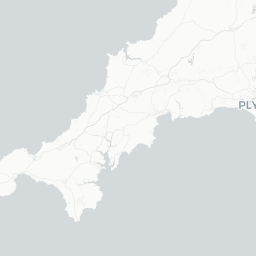
Penzance sits at the southwestern tip of mainland England, in the county of Cornwall, looking out across Mount's Bay toward the Atlantic. With a population of just under 20,000, it is a working market town rather than a polished resort, and that honest character is a large part of its appeal. Georgian and Regency terraces line the higher streets, fishing boats still use the harbour, and the mild climate — warmed by the Gulf Stream — allows subtropical plants to thrive in local gardens.
The town has a long maritime history. It was raided by Spanish forces in 1595 and later became a significant hub for pilchard fishing and tin-trading. Today it draws visitors as a launching point for the Isles of Scilly, as a base for exploring Land's End and the Penwith peninsula, and increasingly for its arts scene, independent food culture, and the annual Golowan Festival.
Penzance is not a destination built around luxury infrastructure. Hotels range from modest guesthouses to a handful of well-regarded boutique options. What the town offers instead is authenticity: a genuine Cornish town where everyday life continues around the tourism rather than being replaced by it.
Before You Go
Visas and Entry
Entry requirements for the United Kingdom depend on your nationality and purpose of travel. For accurate, up-to-date visa information, check TravelerPulse's Visas section and the official UK Visas and Immigration website (gov.uk).
When to Go
May through September offers the best combination of warmth, daylight, and access to coastal activities. July and August are the busiest months and accommodation should be booked well in advance. Spring and early autumn are pleasant and noticeably quieter. Winter is mild by UK standards but Atlantic storms can make coastal walks challenging and some ferry services to the Isles of Scilly operate a reduced or seasonal schedule.
What to Pack
Even in summer, Cornwall's weather is changeable. Waterproof outerwear and layers are advisable year-round. Sturdy footwear is useful for coastal path walking. If you plan to visit the Isles of Scilly, check baggage weight limits for the Skybus or Scillonian ferry in advance, as they can be restrictive.
Health
The UK has a public National Health Service. EU Global Health Insurance Cards and GHIC cards (for relevant nationals) may cover emergency treatment — verify your coverage before travel. Travel insurance with medical cover is recommended for all visitors.
Getting There
By Train
Penzance is the western terminus of the Great Western Main Line, with direct services from London Paddington (journey time roughly 5–5.5 hours, longer on some services) and connections from Bristol, Exeter, and Plymouth. The station sits centrally, adjacent to the harbour. First-class and standard carriages are available. Book in advance through National Rail or GWR for better fares.
By Road
The A30 is the main road corridor into Cornwall from the east, connecting to Penzance via the A394 or continuing through Hayle. Driving from London takes approximately 5–6 hours depending on traffic and conditions. Parking in Penzance includes both pay-and-display town-centre options and larger car parks near the harbour and station — availability can be tight in peak summer.
By Ferry (Isles of Scilly)
The Scillonian III passenger ferry operates seasonally between Penzance harbour and St Mary's on the Isles of Scilly. The crossing takes approximately 2 hours and 45 minutes. Sailing days and times are seasonal — check Isles of Scilly Travel for current schedules and to book.
By Air
The nearest regional airports are Newquay Cornwall Airport (roughly 40 miles north) and Exeter Airport. Skybus flights to the Isles of Scilly also depart from Land's End Airport, a short drive from Penzance. No commercial airport serves Penzance directly.
Getting Around
Penzance town centre is compact and walkable. The harbour, Promenade, main shopping street (Market Jew Street), and most visitor sites are within comfortable walking distance of the train station.
Local bus services run by First Kernow connect Penzance with surrounding villages, St Ives, Marazion, Land's End, and other parts of the Penwith peninsula. Timetables and routes should be verified at firstbus.co.uk or locally, as schedules vary seasonally.
Taxis are available at the station and can be pre-booked for transfers to more remote trailheads or villages. Cycling is feasible but the Penwith peninsula is hilly. Car hire is available if you want to explore the wider region at your own pace — booking ahead in summer is advisable.
Things to See & Do
St Michael's Mount
The tidal island of St Michael's Mount, connected to the village of Marazion by a causeway (accessible on foot at low tide, by boat at high tide), is the defining landmark of Mount's Bay. The medieval castle and chapel on its summit are managed by the National Trust and open to visitors at published times — check nationaltrust.org.uk for current opening hours and admission fees before visiting.
The Promenade and Jubilee Pool
Penzance's Victorian seafront promenade runs south of the town centre. At its eastern end sits Jubilee Pool, a Grade II* listed Art Deco seawater lido built in 1935 and restored following storm damage. It is one of the largest seawater pools in the UK. Opening hours and prices — including a geothermal heated section — should be verified at jubileepool.co.uk.
Penlee House Gallery and Museum
This gallery, set in a park near the town centre, houses a collection focused on the Newlyn School of painters, a significant late-19th-century art movement centred on the fishing village of Newlyn, immediately south of Penzance. Admission details should be confirmed at penleehouse.org.uk.
Newlyn
A 10-minute walk along the harbour from Penzance, Newlyn is a working fishing port and one of England's busiest fish-landing sites. The Newlyn Art Gallery shows contemporary art. The village has a lived-in quality distinct from more tourist-oriented Cornish destinations.
Coastal Walking
Penzance sits on the South West Coast Path, the long-distance trail that runs around the entire peninsula. Day sections toward Land's End, Cape Cornwall, and Mousehole are popular and varied in difficulty. The Minack Theatre, an open-air theatre carved into the clifftop at Porthcurno, is within reach by car or bus and stages performances from spring through autumn — book tickets at minack.com.
Golowan Festival
Held annually in late June, Golowan is a week-long festival celebrating Midsummer and the feast of St John. It includes the Mazey Day street fair and the Montol winter solstice event in December. Dates and programme details vary — check golowanfestival.co.uk.
Food & Drink
Penzance has a food scene that punches above its size, built substantially around the proximity to Newlyn's fishing fleet and local Cornish produce. Several independent restaurants and cafés have established solid reputations for fresh seafood and seasonal cooking — it is worth checking current reviews on TripAdvisor or Google before visiting, as the restaurant landscape in smaller towns changes.
The Cornish pasty is the obvious regional staple — a short-crust pastry parcel traditionally filled with beef, swede, potato, and onion. A Cornish pasty with Protected Geographical Indication (PGI) status must be made in Cornwall to a defined recipe. Several bakeries in and around Penzance sell them.
Newlyn crab, mackerel, and hake feature on local menus when in season. Cornish dairy produce — clotted cream, butter, and cheeses — is widely available. The cream tea debate (jam first or cream first on a scone) is taken seriously: the Cornish tradition is jam first.
Pubs in Penzance serve local Cornish ales from breweries including Skinner's and St Austell Brewery. The Admiral Benbow on Chapel Street is a long-established pub with nautical décor that has become something of a local institution, though visitors should verify it remains open and trading.
Shopping
Market Jew Street is the main commercial thoroughfare, named not for a Jewish market (the etymology is Cornish) but for the Cornish phrase meaning 'Thursday Market.' It has a mix of independent shops, national chains, and a covered market. The town hosts a regular farmers' market — verify current days and hours locally.
Newlyn and the surrounding villages have small galleries and craft studios selling work by local artists, continuing the tradition of the Newlyn School. Chapel Street in Penzance has a cluster of antique shops and independent retailers. Local food products to take home include clotted cream (keep refrigerated), Cornish sea salt from the Lizard peninsula area, and local preserves.
Practical Information
Emergency Services
In the UK, dial 999 for police, fire, or ambulance emergencies. For non-emergency police matters, call 101. For non-emergency medical advice, call NHS 111.
Money
Most businesses accept major credit and debit cards, including contactless payments. Cash machines (ATMs) are available in the town centre. Some smaller cafés, farm shops, and car parks may still prefer or require cash — carry some as a backup.
Connectivity
Mobile coverage from major UK networks (EE, O2, Vodafone, Three) is generally available in Penzance and along main roads, though rural parts of the Penwith peninsula can have patchy signal. Free Wi-Fi is available in some cafés and the library. Check your roaming arrangements with your home provider before travel.
Accessibility
The terrain in and around Penzance is hilly, and many coastal paths are uneven. St Michael's Mount involves steep cobbled paths. Jubilee Pool and Penlee House have published accessibility information on their respective websites. The train station has step-free access provisions — verify current arrangements with GWR or National Rail Enquiries.
Safety
Penzance is a low-crime town by national standards. Standard urban precautions apply: be aware of your belongings in busy areas, especially during peak summer events such as Mazey Day.
The main safety consideration specific to this area is the coast and tidal conditions. The causeway to St Michael's Mount is covered by the tide twice daily, and tidal times change daily — check before crossing and follow local signage. Sea swimming is popular but Atlantic currents and swell can be powerful; swim at beaches where lifeguards are present and heed red and yellow flag systems. The RNLI operates lifeboat stations at Penlee (Newlyn) and is active in the bay.
Cliff-top paths on the South West Coast Path can be exposed and eroded in places. Wear appropriate footwear, stay on marked paths, and be cautious near edges, particularly in wet or windy conditions.