Overview
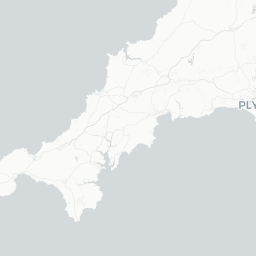
Plymouth is a port city on the southwest coast of England in Devon, sitting at the mouth of the River Plym where it meets Plymouth Sound. With a population of roughly 260,000, it is one of the largest cities in the southwest and carries a maritime identity that runs through almost every aspect of its character.
The city is closely associated with some of the most significant voyages in history. The Mayflower departed from here in 1620 carrying the Pilgrim Fathers to North America, and Francis Drake famously played bowls on Plymouth Hoe before engaging the Spanish Armada in 1588. The Royal Navy has maintained a continuous presence at Devonport — one of the largest naval bases in Western Europe — for centuries, shaping the city's economy and culture alike.
Plymouth was heavily bombed during the Second World War and much of the city centre was rebuilt in a planned, grid-based layout in the postwar decades. This means the historic interest is concentrated in specific areas — particularly the Barbican, the Hoe, and the waterfront — rather than spread evenly across the city. Visitors who understand this geography tend to get far more out of a visit.
Today Plymouth is a working city with a lively student population (University of Plymouth is based here), a growing arts scene, and genuine waterside energy that distinguishes it from many comparable British cities.
Before You Go
Visas
Plymouth is in the United Kingdom. Visa requirements vary significantly depending on your nationality and purpose of travel. Check the TravelerPulse Visas section for general guidance, and always verify current requirements with the UK Visas and Immigration authority (UKVI) before booking.
Weather
Plymouth has a mild oceanic climate. Summers (June–August) are warm rather than hot, typically reaching the mid-to-high teens Celsius, with occasional spells into the low twenties. Winters are mild by UK standards due to the Gulf Stream influence but can be wet and windy. Rain is possible year-round, so a waterproof layer is always sensible.
What to Pack
- Waterproof jacket regardless of season
- Comfortable walking shoes — the Hoe and Barbican involve a fair amount of uneven paving
- Layers, even in summer; sea breezes can be cooler than expected
- Sun protection for summer visits, especially on the Hoe and during boat trips
Useful Background
Devonport Naval Base is an active military installation; access is restricted and photography near security installations should be approached with awareness of posted signs. The city has a proud naval tradition and this is worth bearing in mind when visiting relevant areas.
Getting There
By Train
Plymouth railway station is on the Great Western Main Line and is well connected to London Paddington (journey times vary; verify current schedules with Great Western Railway or National Rail). Direct services also run to Bristol, Exeter, and Penzance, making Plymouth a practical stop on a wider southwest England itinerary.
By Road
The A38 Expressway connects Plymouth to Exeter and the national motorway network. The city is roughly 240 miles (385 km) southwest of London. Driving can be the most flexible option for exploring the surrounding Devon countryside, but city-centre parking requires planning — verify current car park locations and charges locally.
By Coach
National Express and other coach operators serve Plymouth from London and other major UK cities. Journey times from London are longer than the train but fares can be considerably cheaper. Verify current timetables and prices directly with operators.
By Air
Plymouth City Airport closed to scheduled services; the nearest major airports are Exeter Airport and Bristol Airport. Newquay Cornwall Airport is another option for some travellers. Check current routes and transfer options before booking.
By Ferry
Brittany Ferries operates routes from Plymouth to Roscoff (France) and Santander (Spain), making the city a key entry or exit point for travellers doing a European road trip. Verify current schedules and booking requirements directly with Brittany Ferries.
Getting Around
Plymouth's main visitor areas — the Barbican, Plymouth Hoe, and the city centre — are walkable from one another, and most visitors on a short break will find their feet sufficient for core sightseeing.
Local Buses
Plymouth Citybus (operating as First Devon & Cornwall in some contexts — verify current operator branding locally) runs an extensive network across the city and into surrounding areas. Buses are the primary form of public transport within Plymouth.
Taxis and Ride-Hailing
Taxis are readily available in the city centre, at the railway station, and near the Barbican. Verify current ride-hailing app availability locally.
Ferries
Small passenger ferry services cross the River Tamar to Torpoint and operate around the Sound to Mount Edgcumbe Country Park. The Cremyll Ferry, for example, is a pleasant way to reach the Cornish side. Check current operating times locally as seasonal services may vary.
Cycling
The city has some cycle infrastructure and National Cycle Network routes pass through the area. Bike hire availability should be verified locally before planning a cycling-focused visit.
Car
A car is useful if you plan to explore the Dartmoor National Park or wider Devon and Cornwall, but is largely unnecessary for the city's visitor highlights. Parking in the centre can be congested during peak times.
Things to See & Do
Plymouth Hoe
The Hoe is a wide, elevated grassy promenade overlooking Plymouth Sound. It is central to the city's identity and offers panoramic views across the harbour toward Drake's Island and the Cornish hills beyond. Smeaton's Tower, a historic red-and-white striped lighthouse relocated here in the nineteenth century, can be climbed for elevated views (verify current opening hours and admission). The Hoe is free to walk and is busy on warm summer days.
The Barbican
This is Plymouth's oldest surviving neighbourhood, centred on the old fishing harbour. Cobbled streets, Tudor-era timber-framed buildings, independent galleries, seafood restaurants, and the Mayflower Steps memorial are all found here. The Mayflower Steps mark the traditional departure point of the 1620 voyage, and nearby interpretive panels tell the story in detail. The area is lively in the evenings and on weekends.
National Marine Aquarium
Located on the Barbican waterfront, this is the UK's largest aquarium and focuses heavily on marine science and conservation alongside visitor experience. Verify current opening hours and ticket prices on the official website before visiting.
Plymouth Mayflower Museum
A dedicated museum on the Barbican exploring the city's role in the 1620 voyage and broader transatlantic history. Verify current opening arrangements locally.
Devonport and Naval Heritage
While the active naval base itself is closed to the public, the Devonport area has heritage associated with centuries of shipbuilding. The Devonport Column and surrounding historic dockyard architecture are visible from public areas. Check whether any heritage tours are currently operating, as availability varies.
Day Trips on the Water
Boat trips operate from the Barbican and Mayflower Marina to destinations around Plymouth Sound, including Drake's Island and the Breakwater. Guided Sound Cruises are popular in summer. Verify operators and schedules locally.
Food & Drink
Local Specialities
Plymouth's southwest location means seafood features prominently on local menus — crab, mackerel, mussels, and locally caught fish are widely available, particularly in the Barbican area. Devon cream teas (with clotted cream and jam on scones, in that order by Devon convention) are a regional staple found in cafés across the city.
The Barbican
The Barbican quarter has the densest concentration of independent restaurants and cafés. Seafood restaurants along Southside Street and the adjacent lanes are well worth exploring. The area also has lively pubs, many with outdoor seating overlooking the harbour in good weather.
City Centre and Sutton Harbour
The city centre has the usual range of chain restaurants and high-street cafés. Sutton Harbour, adjacent to the Barbican, has additional waterfront dining options.
Plymouth Gin
Plymouth has a historic association with gin. The Plymouth Gin Distillery on the Barbican — operating from a former Dominican monastery — is one of the oldest working distilleries in England and offers tours and tastings (verify current availability and booking requirements directly). Plymouth Gin is a distinct style with Protected Geographical Indication status.
Practical Notes
Tipping is not obligatory in the UK but rounding up or leaving 10–15% is common in sit-down restaurants where service has not already been added to the bill. Tap water is safe to drink throughout Plymouth.
Shopping
Plymouth's main retail centre is Drakes Circus shopping centre and the surrounding pedestrianised streets, which offer a typical mix of UK high-street chains alongside some independents.
The Barbican is a better hunting ground for independent shops — art galleries, craft studios, independent bookshops, and gift shops selling locally themed items are scattered through the cobbled streets. Several galleries represent local and regional artists and are worth a browse even if you are not buying.
Sutton Harbour Market and various seasonal outdoor markets occasionally operate in the Barbican area — verify current schedules locally as these change by season.
For food souvenirs, locally produced clotted cream (in shelf-stable tins for travel), Plymouth Gin, and Cornish and Devonshire preserves are practical and genuinely regional choices.
Practical Information
Emergency Services
In any emergency in the UK, dial 999 for police, fire, or ambulance. For non-emergency police matters, dial 101. For non-emergency medical advice, contact NHS 111 (phone or online).
Healthcare
Plymouth has Derriford Hospital, the main NHS hospital for the region. EU/EEA visitors should note that the UK's post-Brexit arrangements for healthcare reciprocity vary by nationality — verify your entitlements and consider travel insurance. All visitors are advised to carry appropriate travel health insurance.
Money
ATMs are widely available in the city centre and Barbican. Major credit and debit cards are accepted almost universally, including contactless payment. Carrying some cash is useful for smaller independent vendors and markets.
Connectivity
Free Wi-Fi is available in many cafés, restaurants, and public areas. UK SIM cards are readily purchased at supermarkets and mobile phone shops if you need local data.
Accessibility
Plymouth Hoe and parts of the Barbican involve sloped or cobbled surfaces that can be challenging for wheelchair users or those with limited mobility. Verify accessibility details for specific attractions before visiting. The railway station and major public buildings generally have accessible facilities.
Public Toilets
Public toilets are available on the Hoe and in the Barbican area. Locations and any charges should be verified locally.
Safety
Plymouth is a generally safe city for visitors. The Barbican and Hoe areas frequented by tourists experience the same low-level considerations found in any UK city centre — be aware of your belongings in crowded spaces, particularly around busy summer markets and waterfront areas.
The city centre can become lively late on Friday and Saturday nights as it has a significant nightlife scene associated with its student population. Most visitors are unaffected by this, but those with early starts may wish to book accommodation away from the immediate nightlife streets.
Coastal safety is worth noting for visitors planning water activities or walking along the seafront in rough weather. The Sound can have strong currents; follow local advice and any posted safety guidance. Lifeguards operate on some beaches in summer — verify coverage locally.
Standard UK travel common sense applies: use licensed taxis, keep phone and wallet secure, and be aware of your surroundings after dark in unfamiliar areas.
Local Culture & Etiquette
Plymouth's cultural identity is shaped above all by its relationship with the sea. Naval heritage, fishing history, and the legacy of historic voyages are reference points that come up repeatedly in local museums, public art, and conversation. The city has a genuine working-port character rather than a purely heritage-tourism one — Devonport remains an active naval base, and the fishing industry, though smaller than historically, still operates from Sutton Harbour.
The postwar rebuilding of the city centre gave Plymouth a planned modernist core that is architecturally distinctive, if not universally loved. There has been growing appreciation in recent years for this mid-twentieth-century heritage — the Plymouth City Centre Conservation Area recognises some of this built environment. Visitors interested in urban planning and postwar British architecture may find it genuinely interesting.
Plymouth has a lively arts scene, anchored partly by the Theatre Royal Plymouth (one of the largest regional theatres in England) and the University of Plymouth's arts programmes. The city has produced and hosted significant visual art and performance work. Check current programming at the Theatre Royal and local galleries before your visit.
The Devon–Cornwall border runs just west of Plymouth, and the city sits at a cultural crossroads between the two counties. Some local cultural markers (dialect, food traditions, rugby allegiances) reflect this borderland position.