Overview
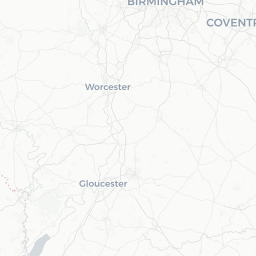
Reading is a large market town and unitary authority in Berkshire, situated at the confluence of the River Thames and the River Kennet, roughly 40 miles west of central London. With a population of around 318,000, it is one of the largest towns in England and functions as a significant commercial and retail hub for the Thames Valley region.
The town has a history stretching back to the Anglo-Saxon period and was the site of one of England's most powerful medieval monasteries, Reading Abbey, founded by King Henry I in 1121. The ruins remain a focal point of the town centre today. Despite its industrial and commercial growth over the 19th and 20th centuries, Reading retains a number of historic landmarks alongside its modern infrastructure.
Reading is also internationally recognised as the home of the Reading Festival, one of the UK's longest-running rock and alternative music festivals, held annually on the August Bank Holiday weekend. The University of Reading adds a younger demographic and cultural energy to the town, supporting a lively food, music, and arts scene throughout the year.
Before You Go
Visas
Entry requirements for the United Kingdom vary by nationality. For accurate, up-to-date visa information, visit TravelerPulse's Visas section and check the official UK Visas and Immigration service (gov.uk). Do not rely on third-party summaries for immigration decisions.
What to Pack
Reading's climate is temperate and changeable. Rain is possible in any season, so a waterproof layer is advisable year-round. Summers are mild to warm rather than hot; winters are cool and damp but rarely severe.
Connectivity
The town centre has widespread 4G and 5G mobile coverage. Free Wi-Fi is available in many cafés, the Oracle shopping centre, and the central library. UK SIM cards are widely available at supermarkets and phone shops in the town centre if you need local data.
Useful Preparation
- Check train timetables and book in advance via National Rail or the relevant train operator's website for cheaper fares from London.
- During Reading Festival week (late August), accommodation books out many months in advance and prices rise significantly — plan accordingly.
- The town centre is compact and largely walkable, but the wider borough is best navigated with a bus pass or bicycle.
Getting There
By Train
Reading station is a major rail hub on the Great Western Main Line and Crossrail (Elizabeth line), making it one of the best-connected regional towns in England. Direct services run frequently from London Paddington, with journey times typically under 30 minutes on fast services. There are also direct trains to and from Bristol, Oxford, Brighton, Southampton, and many other cities. Verify current timetables and fares on National Rail or the GWR/Elizabeth line websites.
By Road
Reading is accessed via the M4 motorway (junctions 10, 11, and 12) and the A33, A4, and A329. Driving into the town centre is not recommended due to congestion and limited parking; park-and-ride services operate from several points on the outskirts. Verify current routes and charges locally.
By Coach
National Express and other coach operators serve Reading Coach Station, which sits close to the town centre. Journey times from London are longer than by train but fares can be considerably cheaper. Check operators' websites for current schedules.
By Air
The nearest major airport is London Heathrow (LHR), approximately 20 miles to the east. Direct train services connect Heathrow's terminals to Reading via the Elizabeth line, typically in under 30 minutes. London Gatwick is also reachable by direct train.
Getting Around
On Foot
The historic town centre — including Reading Abbey Ruins, the Museum of Reading, the Oracle shopping centre, and the main retail streets — is compact and easy to navigate on foot. Most visitor attractions are within a 15-minute walk of the train station.
Buses
Reading Buses operates an extensive local network covering the town and surrounding areas. A contactless card or app-based payment is accepted on most routes. Check the Reading Buses website for maps, timetables, and fare information.
Cycling
Reading has a growing network of cycle paths, and the Kennet and Avon Canal towpath offers pleasant off-road cycling toward Newbury. Bike hire schemes operate in parts of the town; verify current availability locally.
Taxis and Ride-Hailing
Licensed taxis and private hire vehicles are plentiful. Uber and similar apps operate in Reading. Taxi ranks are located near the train station and in the town centre.
Car
A car is useful for exploring the wider Berkshire countryside but is largely unnecessary — and can be inconvenient — within the town itself.
Things to See & Do
Reading Abbey Ruins
Founded in 1121 by Henry I, who is buried here, Reading Abbey was once among the most important monastic sites in medieval England. The ruins underwent significant conservation work and are now open to visitors. Guided tours are available seasonally — verify current access, opening hours, and tour availability through Reading Borough Council's official channels.
Museum of Reading
Housed in the Victorian Town Hall, the Museum of Reading covers the town's history from the Roman period onwards. It holds a full-scale replica of the Bayeux Tapestry, which is a notable draw. Admission policies and opening hours should be confirmed on the museum's official website before visiting.
The Oracle Shopping and Riverside
The Oracle is a large shopping centre built around the River Kennet, with retail units, restaurants, and bars. The riverside walkway here is a pleasant spot, particularly in warmer months.
River Thames and Kennet
The Thames Path passes through Reading, offering walking and cycling routes in both directions. Narrowboat trips and leisure cruising on the Kennet and Avon Canal are popular. Several rowing and boating clubs operate on the Thames at Caversham, just north of the town centre.
Reading Festival
Held annually on the August Bank Holiday weekend at Richfield Avenue, Reading Festival is one of the UK's premier rock and alternative music events with a history dating to 1971. Tickets sell quickly and should be purchased well in advance through official channels.
Forbury Gardens
A public park adjacent to the abbey ruins, Forbury Gardens features a large Victorian bandstand and the Maiwand Lion memorial. It is a popular lunchtime and leisure space in the heart of the town.
Food & Drink
Reading has a diverse food and drink scene reflecting its multicultural population and university character. The town centre and the areas around the Oracle, Gun Street, and Broad Street Mall host a mix of independent restaurants, international cuisines, and well-known national chains.
What to Look For
- Indian and Bangladeshi cuisine: Reading has a long-established South Asian community and a number of well-regarded curry houses and restaurants, particularly along the London Road and Oxford Road corridors.
- Independent cafés and brunch spots: The university demographic supports a lively café culture. Areas such as Caversham and the town centre side streets have independent options worth exploring.
- Craft beer and pubs: A number of micropubs and craft beer bars have opened in recent years alongside the town's traditional pubs. The Oracle riverside area has several bars and casual dining options with outdoor seating.
Caversham
The suburb of Caversham, across the Thames, has a quieter village-like feel and a cluster of independent shops, cafés, and restaurants that can make for a pleasant contrast to the busier town centre.
Always verify opening hours directly with venues, as these change frequently.
Shopping
Reading is one of the stronger retail destinations in the South East outside London. The main shopping areas are Broad Street (pedestrianised), the Oracle Shopping Centre, and Broad Street Mall. Between these, you will find major UK and international retailers covering fashion, electronics, homewares, and more.
For independent retail, the areas around Gun Street and the smaller lanes off Broad Street have a handful of independent boutiques, record shops, and specialist stores, though the independent retail scene is less developed than in some comparable university towns. The Caversham Road area and the Oxford Road corridor also have independent businesses catering to the local community.
A market operates in the town centre on various days of the week — check current market days and locations via Reading Borough Council's website, as schedules can change.
Practical Information
Emergency Services
In the UK, dial 999 for police, fire, or ambulance in an emergency. For non-emergency police matters, dial 101. For non-emergency medical advice, call NHS 111.
Hospital
Royal Berkshire Hospital is Reading's main NHS hospital, located on London Road close to the town centre. Walk-in urgent treatment centres also operate locally — verify current locations and hours via the NHS website.
Money
ATMs are widely available throughout the town centre. Contactless card payment (including via phone) is accepted almost universally in shops, restaurants, and on public transport. Carrying cash is rarely necessary but can be useful for smaller independent businesses and markets.
Pharmacies
Multiple pharmacies operate in and around the town centre, including branches inside larger supermarkets. Many keep extended hours.
Post and Communications
Post Office branches are located in the town centre and in various supermarkets. UK postal services are operated by Royal Mail.
Tipping
Tipping is customary but not compulsory in restaurants (typically 10–12.5% for good service). Many venues now add a service charge automatically — check your bill. Tipping in pubs for drinks is not standard practice.
Safety
Reading is broadly a safe town by UK standards, though like any large urban centre it has areas and situations where standard urban precautions apply. The town centre can be busy on weekend evenings when the nightlife is active — stay aware of your surroundings and keep valuables secure.
Pickpocketing is the most common concern for visitors in busy shopping and entertainment areas. Use standard precautions: keep bags closed and in front of you, avoid displaying expensive items unnecessarily, and be alert in crowded spaces.
The area around the station and some parts of the town centre late at night warrant the same awareness you would apply in any busy English town. Use licensed taxis or reputable ride-hailing apps if travelling after dark.
For the latest safety and travel advice for the UK, consult your home country's foreign travel advisory service.
Local Culture & Etiquette
Reading reflects the diversity of contemporary England. The town has significant South Asian, Eastern European, and other communities that have shaped its food, cultural events, and neighbourhood character, particularly along the Oxford Road and London Road corridors.
The University of Reading brings an international student population and supports arts and cultural programming throughout the academic year. The South Street Arts Centre is a community arts venue hosting theatre, music, and visual arts events — check their website for current programming.
Reading has a modest but genuine connection to Oscar Wilde: he was imprisoned at Reading Gaol between 1895 and 1897, during which time he wrote the long letter later published as De Profundis. The gaol building still stands on Forbury Road, though it is not currently open as a regular visitor attraction — verify its status locally as plans for its future have been discussed periodically.
Football is a strong part of local identity. Reading FC (the Royals) play at the Select Car Leasing Stadium (verify current naming rights locally) and have a loyal supporter base. Match days bring additional activity to the town.