Translate
Overview
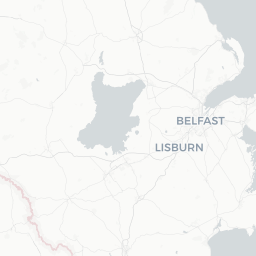
Lisburn is a city of around 77,000 people situated in County Antrim and County Down, roughly 12 kilometres southwest of Belfast in Northern Ireland. Granted city status in 2002 to mark Queen Elizabeth II's Golden Jubilee, it is one of only two cities in Northern Ireland (the other being Belfast). Despite its modest size, Lisburn carries a notable industrial and cultural heritage rooted largely in the linen trade that shaped the region from the 17th century onwards.
The city centre is compact and walkable, built around a market square that still functions as a commercial hub. The River Lagan runs along its eastern edge, and the towpath corridor connecting Lisburn to Belfast is popular with walkers and cyclists. Visitors who pass through on their way to Belfast or the wider County Antrim and County Down countryside often find Lisburn worth a half-day or full-day stop in its own right.
Lisburn is generally a relaxed, low-key destination. It lacks the nightlife concentration of Belfast but offers genuine community character, accessible green space, and a handful of well-regarded cultural institutions. Travellers with an interest in Northern Ireland's industrial history or those seeking a quieter base near Belfast will find it a practical and pleasant choice.
Before You Go
Visas and Entry
Lisburn is part of the United Kingdom. For visa and entry requirements, check TravelerPulse's Visas section and consult the UK Visas and Immigration authority directly, as rules vary by nationality and can change.
What to Pack
- A waterproof layer is advisable year-round; Northern Ireland's weather is famously changeable.
- Comfortable walking shoes are useful for the Lagan towpath and city-centre exploration.
- If you plan to visit in summer, light layers remain more practical than purely warm-weather clothing.
Health
No vaccinations are specifically required for travel to Northern Ireland. The UK's National Health Service (NHS) covers emergency treatment; visitors from certain countries may be entitled to broader NHS access — verify this based on your nationality before travel.
Money
Pound Sterling is the currency. Card payments are widely accepted in shops, restaurants, and hotels. ATMs are available in the city centre. Note that while Northern Ireland banks issue their own banknotes (which are legal tender locally), these can occasionally be less readily accepted in Great Britain — keep this in mind if you are continuing your trip.
Getting There
By Air
The nearest airports are Belfast George Best City Airport (BHD), approximately 15 kilometres northeast of Lisburn, and Belfast International Airport (BFS) in Aldergrove, roughly 20 kilometres north. Both offer connections to UK cities and a range of European destinations. Verify current routes and schedules directly with airlines or the airports.
By Rail
TransLink operates regular train services between Belfast Great Victoria Street / Belfast Lanyon Place and Lisburn. Journey times are short — typically around 15–20 minutes — making the rail connection one of the most convenient ways to arrive from Belfast. Check Translink NI (translink.co.uk) for current timetables and fares.
By Bus
Ulsterbus and Metro services connect Lisburn with Belfast and surrounding towns. The Europa Bus Centre in Belfast is the main hub for regional coaches. Verify current routes and frequencies on the Translink website.
By Road
Lisburn sits just off the M1 motorway, making it easily accessible by car from Belfast and points south and west. Parking is available in the city centre; check locally for current charges and restrictions.
Getting Around
Lisburn city centre is compact enough to navigate on foot. The main attractions, including the Castle Gardens, Irish Linen Centre, and market square, are all within easy walking distance of one another.
The Lagan towpath offers a flat, well-maintained walking and cycling route along the river. Cycling is a practical option for exploring this corridor; verify local bike hire options on arrival, as provision can change.
Local bus services connect Lisburn to surrounding villages and districts. If you are using Lisburn as a base for the wider region, a rental car provides the most flexibility, particularly for reaching rural parts of County Down or County Antrim that are not well served by public transport.
Things to See & Do
Irish Linen Centre & Lisburn Museum
Housed in a 17th-century market house in the city's Assembly Square (formerly Market Square), this is Lisburn's primary cultural institution. The museum traces the history of the Irish linen industry — a trade that fundamentally shaped the economy and society of this part of Ulster. Exhibits include working hand looms and displays on the full linen-making process. Opening hours and admission details should be verified directly with the museum or via the Mid and East Antrim Borough Council website.
Castle Gardens
Adjacent to the museum, Castle Gardens occupies the grounds of a castle destroyed in the 1641 rebellion. The formal gardens are well maintained and freely accessible, making them a pleasant spot for a short walk or a rest. The remains of the castle's earthworks are still visible.
Lagan Valley Regional Park
This linear park follows the River Lagan between Lisburn and Belfast and encompasses woodland, wetland, and farmland. It is popular with walkers, joggers, and cyclists, and provides genuine green space within easy reach of both cities. Trail maps are available from the park authority — verify current access points and any seasonal closures locally.
Hilden Brewery
One of Northern Ireland's older independent breweries, Hilden is located on the edge of Lisburn and offers tours. Availability of tours varies, so check directly with the brewery before visiting.
Market Days
Lisburn has a tradition of street markets. A weekly market typically operates in the city centre; confirm days and times locally as these can change seasonally.
Food & Drink
Lisburn's food and drink scene is modest but functional, centred primarily on the city centre and the Bow Street Mall area. You will find a range of cafés, casual dining restaurants, and pubs serving standard Northern Irish and British pub food alongside a modest selection of international cuisines.
Pub culture is a genuine part of everyday life in Northern Ireland, and several traditional pubs in Lisburn offer a relaxed atmosphere. Local ales from Hilden Brewery appear on tap in some establishments.
For a wider variety of dining options, Belfast is only a short train or bus journey away and offers a much more extensive restaurant scene. If you are self-catering, several supermarkets operate in and around Lisburn city centre.
- Practical tip: Many kitchens in smaller towns stop serving food earlier in the evening than visitors from larger cities might expect. Aim to eat before 8:30 pm, and verify current hours with individual venues.
Shopping
Bow Street Mall is the main covered shopping centre in central Lisburn, home to a mix of high-street chains and independent retailers. The market square area also has smaller independent shops.
For specialist or boutique shopping, Belfast's city centre — including the Victoria Square and St George's Market — offers considerably more variety and is easily reached by train. St George's Market in Belfast, in particular, is worth a visit for local food producers, crafts, and antiques on market days.
Practical Information
Emergency Services
In the United Kingdom, dial 999 for police, fire, or ambulance in an emergency. The non-emergency police number is 101.
Electricity
The UK uses Type G plugs (three rectangular pins) with a standard voltage of 230V. Visitors from North America, continental Europe, and many other regions will need an adapter.
Internet and Connectivity
Free Wi-Fi is available in many cafés, shopping areas, and public spaces. UK SIM cards from major providers (EE, Vodafone, O2, Three) are widely available and offer good coverage in Lisburn. Check roaming arrangements with your home provider before travelling.
Accessibility
The city centre is relatively flat, which helps wheelchair users and those with mobility considerations. The Irish Linen Centre & Lisburn Museum has accessibility provisions; verify specifics directly with the venue.
Tipping
Tipping is not obligatory in Northern Ireland but is appreciated in restaurants (typically 10–15% if service is not already included) and for taxi drivers.
Safety
Lisburn is a safe city by any general measure. Visitors are unlikely to encounter significant safety concerns during a normal visit. As with any urban area, standard travel precautions apply: be aware of your surroundings, keep valuables secure, and avoid leaving belongings unattended.
Northern Ireland's complex political history is worth understanding as background context, but it rarely has a direct bearing on a visitor's day-to-day experience in Lisburn. The city is peaceful and welcoming. If you have any concerns or questions, the Police Service of Northern Ireland (PSNI) can be reached via the non-emergency number 101.
Local Culture & Etiquette
Lisburn's cultural identity is shaped by its Ulster-Scots and Irish heritage, its strong Nonconformist Protestant tradition, and its historical role as a centre of the linen industry. The city has a Church of Ireland cathedral — Christ Church Cathedral — which dates in parts to the 17th century and is worth a brief visit.
Public holidays follow the UK calendar, with the addition of St Patrick's Day (17 March) and the 12th of July (the Ulster Protestant 'Twelfth'), which marks the anniversary of the Battle of the Boyne and is observed as a public holiday in Northern Ireland. The Twelfth features Orange Order parades; if you are in the area during this period, be aware that road closures and altered transport schedules may apply.
The pace of life in Lisburn is unhurried, and locals are generally friendly and helpful to visitors. Conversations about politics, religion, or 'the Troubles' can be sensitive depending on the individual, and it is advisable to listen more than you lead in such discussions if they arise.