Overview
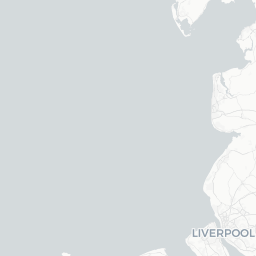
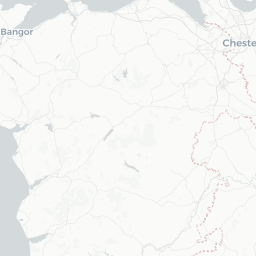
Bangor is a small cathedral city on the northern coast of Wales, sitting on a narrow strip of land between the Menai Strait and the foothills that rise toward Snowdonia. With a population of around 18,000, it is one of the smallest cities in the United Kingdom, but its city status derives from the ancient presence of Bangor Cathedral, one of the oldest cathedral foundations in Britain.
The city is home to Bangor University, which gives it a lively student population and keeps the cultural calendar reasonably active for its size. Visitors often use Bangor as a practical base: it sits on the main rail line between Chester and Holyhead, places the Isle of Anglesey within easy reach across the Menai Suspension Bridge, and offers quick access to Snowdonia National Park to the south.
The seafront area known as Garth is a short walk from the city centre and includes the long Victorian-era Garth Pier, a Grade II listed structure that stretches into the Menai Strait. The views from the pier toward Anglesey and the mountains beyond are among the most quietly rewarding in North Wales.
Before You Go
Visas
Bangor is in the United Kingdom. Entry requirements depend on your nationality and circumstances. Check TravelerPulse's Visas section and the official UK Visas and Immigration guidance (UKVI) for current rules before booking.
What to Pack
North Wales weather is changeable year-round. Even in summer, rain and wind are common, especially if you plan to walk in Snowdonia. Bring waterproof outer layers, sturdy footwear if you intend to hike, and light layers for warmer days. An umbrella is useful in town.
Welsh Language
Welsh is an official language in Wales and is actively spoken in Bangor and the surrounding region. Road signs, public notices, and many businesses use Welsh alongside English. Learning a few basic phrases — diolch (thank you), bore da (good morning) — is appreciated by locals, though English is universally understood.
Getting There
By Rail
Bangor has a staffed railway station on the Crewe–Holyhead main line, making it well connected by train. Services run from Chester (roughly one hour) and from London Euston via Crewe, though journey times from London are several hours. Verify current timetables and book tickets through National Rail or Transport for Wales.
By Road
The A55 North Wales Expressway is the main road corridor through this part of Wales, running close to Bangor and linking it to Chester and the English motorway network to the east, and to Holyhead (for Irish ferries) to the west. Car hire is available in the region; verify locally for the nearest outlets.
By Air
The nearest airports with regular scheduled services are Liverpool John Lennon and Manchester Airport. Both are roughly 80–90 miles away by road. There is no direct rail link from either airport straight to Bangor without a change; verify current connections with National Rail.
By Ferry
Travelers arriving from Ireland often cross to Holyhead, approximately 25 miles from Bangor, and then travel by rail or road. Stena Line and Irish Ferries operate routes to Holyhead from Dublin and Dún Laoghaire; check operators' sites for current schedules.
Getting Around
Bangor's city centre is compact and walkable. Most points of interest — the cathedral, the High Street, the university precinct, and Garth Pier — can be reached on foot from the railway station within 15–20 minutes.
Local bus services operated by various carriers connect Bangor to surrounding towns and villages including Caernarfon, Bethesda, and Llanfairfechan. Gwynedd and Anglesey bus networks also provide connections to Anglesey via the Menai Bridge. Verify routes and timetables with Traveline Cymru or locally.
For exploring Snowdonia or Anglesey at your own pace, having a car is a significant advantage. Taxis and private hire vehicles are available locally. Cycling is feasible within the city but the surrounding terrain is hilly.
Things to See & Do
Bangor Cathedral
Bangor Cathedral (Cathedral Church of St Deiniol) traces its origins to a monastic foundation attributed to Saint Deiniol in the 6th century, making it one of the oldest in Britain. The current building is largely medieval with later restoration. Entry is generally free, though donations are welcomed; verify opening hours before visiting.
Garth Pier
At over 460 metres, Garth Pier is the longest pier in Wales. The Victorian structure extends into the Menai Strait and offers views of Anglesey and the Snowdonia mountains. There is typically a small toll to walk the pier; verify current charges locally.
Bangor University and Pontio
The university campus includes Pontio, a modern arts and innovation centre that hosts theatre productions, cinema screenings, and events. It is worth checking their program if you are visiting, particularly during term time.
Penrhyn Castle
A short distance east of the city, Penrhyn Castle is a large 19th-century neo-Norman castle managed by the National Trust. It houses an extensive art collection and sits in substantial grounds. Admission fees and opening hours apply; verify with the National Trust before visiting.
Day Trips
Bangor's location makes it an excellent base. Snowdonia National Park, Caernarfon Castle (a UNESCO World Heritage Site), the Isle of Anglesey, and the Llŷn Peninsula are all within an hour or so by car or public transport.
Food & Drink
Bangor's food scene is modest but functional, shaped largely by its student population and its role as a local service hub. The High Street and surrounding streets have a range of cafés, independent restaurants, takeaways, and chain outlets covering most everyday needs.
Welsh produce — including lamb, seafood from nearby coasts, and local cheeses — appears on menus in the better independent establishments. For a broader restaurant choice, Caernarfon (about 8 miles south) offers additional options. Pubs in the city include a mix of student-oriented bars and more traditional locals.
If you are self-catering, local supermarkets and smaller shops are readily available in and around the city centre. Fresh fish and local produce can sometimes be found at markets in the region; verify current market schedules locally.
Practical Information
Emergency Services
In the UK, dial 999 for police, fire, or ambulance in an emergency. For non-emergency police matters, dial 101. For non-emergency medical advice in Wales, contact NHS 111 (call 111).
Healthcare
Bangor is served by Ysbyty Gwynedd (Gwynedd Hospital), a district general hospital located on the outskirts of the city. For minor ailments, pharmacies in the city centre can provide advice. EU citizens should note that the EHIC/GHIC may provide some coverage; verify your situation before travel.
Money
Bangor has ATMs (cashpoints) in the city centre and accepts card payments widely. Contactless payment is broadly accepted in shops, cafés, and pubs.
Connectivity
Mobile coverage is generally good in the city centre. Free Wi-Fi is available in some cafés, the university's public spaces, and Pontio. Coverage can be patchy in more rural areas outside the city.
Accessibility
The city centre has some accessibility challenges due to hilly terrain and older street layouts. Verify accessibility details directly with venues and accommodation providers before booking.
Safety
Bangor is generally a safe city. As with any urban area, standard precautions apply: keep an eye on your belongings in crowded areas, be aware of your surroundings at night particularly around areas with heavy student nightlife, and avoid leaving valuables visible in parked cars.
If hiking in Snowdonia from a Bangor base, mountain safety is a separate consideration. Conditions in the mountains can change rapidly. Check forecasts from the Met Office or Mountain Weather Information Service (MWIS), inform someone of your plans, and carry appropriate equipment.
Local Culture & Etiquette
Welsh identity and culture are strongly felt in Bangor. The Welsh language is part of everyday life — heard in shops, on the street, and in local institutions — and is not merely ceremonial. Visitors should approach this as part of the authentic character of the place rather than as a curiosity.
The city has a long history tied to religion, scholarship, and the slate industry of the wider Gwynedd region. The legacy of the Victorian slate quarrying era — particularly at Penrhyn Quarry, which is among the largest slate quarries in the world — shaped much of the local landscape and community. This history is part of the broader Slate Landscape of Northwest Wales, which received UNESCO World Heritage status in 2021.
The university has brought a degree of cultural diversity and a lively arts scene to the city. Respect for the local community, its language, and its traditions will be well received.