Overview
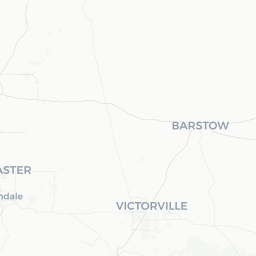
Riverside is a mid-sized city of roughly 317,000 people in San Bernardino Valley, about 60 miles east of downtown Los Angeles. It sits at the western edge of the Inland Empire, the sprawling inland region of Southern California that often gets overlooked in favor of its coastal neighbors — which works in a visitor's favor if you prefer accessible attractions without the tourist density.
The city's identity is deeply tied to its agricultural past. In the 1870s, Eliza Tibbets planted the first navel orange trees on what is now Magnolia Avenue, launching an industry that would reshape California's economy. Today one of those original trees still survives and is a designated historical monument. The citrus heritage is woven into the city's architecture, museums, and civic pride.
Beyond its history, Riverside is home to the University of California, Riverside (UCR), giving the city a younger, academic energy alongside its more traditional civic identity. The downtown core, anchored by the iconic Mission Inn, is walkable and compact, with a growing restaurant and arts scene. Riverside is practical to visit as a day trip but rewards a longer stay for travelers interested in California history, architecture, and the quieter side of the Southland.
Before You Go
Visas
Riverside is a US destination. Entry requirements depend on your nationality. Check TravelerPulse's Visas section and the official US Customs and Border Protection website (cbp.gov) for current guidance.
Climate
Riverside has a semi-arid climate with hot, dry summers and mild winters. Summer temperatures regularly exceed 95°F (35°C) and can spike above 105°F (40°C) in July and August. Winters are generally mild, with occasional cold snaps and rare frost. Rain is infrequent and concentrated between November and March. If visiting in summer, plan outdoor activities for early morning and carry water.
Air Quality
The Inland Empire can experience elevated air pollution levels, particularly ozone, during summer months. Travelers with respiratory conditions should check the Air Quality Index (AirNow.gov) before planning outdoor activities.
What to Pack
- Sunscreen and sunglasses year-round
- Layers for evenings, even in summer — temperatures drop noticeably after dark
- Comfortable walking shoes for downtown and park trails
- A reusable water bottle; staying hydrated is important in the dry inland heat
Getting There
By Air
The closest major airport is Ontario International Airport (ONT), approximately 15 miles west of downtown Riverside and the most convenient option for most visitors. Los Angeles International Airport (LAX) and San Bernardino International Airport (SBD) are also within driving range, though LAX involves significantly more traffic. Verify current routes and airlines directly with airports or booking platforms.
By Car
Riverside sits at the junction of several major freeways, including I-215, SR-91, and SR-60. From Los Angeles, the drive is typically 60–90 minutes depending on traffic, which on the 91 freeway can be heavy during commute hours. From Palm Springs, expect roughly 60 minutes via I-10 West.
By Train
Metrolink commuter rail serves Riverside from Los Angeles Union Station on the Riverside and 91/Perris Valley lines, with stops at Riverside–Downtown and Riverside–La Sierra stations. Amtrak also serves Riverside–Downtown station via the Sunset Limited and Texas Eagle routes (verify current schedules on amtrak.com). Train travel is a practical car-free option from central LA.
Getting Around
Riverside is primarily a car-oriented city and a personal vehicle is the most efficient way to reach attractions spread across the metro area. Downtown Riverside itself is walkable, with the Mission Inn, Riverside Art Museum, and several restaurants and shops within easy walking distance of each other.
Public Transit
Riverside Transit Agency (RTA) operates bus routes throughout the city and surrounding communities. For visitors staying downtown, buses connect to nearby neighborhoods, though schedules and frequency vary. Verify routes and fares at riversidetransit.com.
Rideshare
Uber and Lyft operate throughout Riverside and are a practical option for point-to-point trips, particularly if you are based downtown and making day trips to specific sites without a car.
Cycling
The Riverside Greenway and portions of the Santa Ana River Trail offer off-road cycling. Bike-share availability should be verified locally, as programs can change.
Where to Stay
Riverside has a range of accommodation from major chain hotels along freeway corridors to the notable Mission Inn Hotel & Spa downtown. The Mission Inn is the city's most distinctive lodging option and is worth considering if budget allows, particularly during the holiday Festival of Lights season — though book well in advance for that period. Verify availability and current rates directly with the hotel.
For budget-conscious travelers, several mid-range chain hotels are clustered near the I-215 and SR-91 corridors and around the UCR campus. These offer straightforward, reliable accommodation with easy car access. Short-term rentals through major platforms are also available and may suit travelers wanting a more residential experience.
If you are visiting Riverside as a base for exploring the wider Inland Empire or the nearby mountains, downtown is the most convenient and pleasant area to stay, putting you within walking distance of the main cultural sites.
Things to See & Do
Mission Inn Hotel & Spa
The Mission Inn is the architectural centerpiece of downtown Riverside. This National Historic Landmark dates to 1876 and has been expanded in stages into an elaborate Spanish Colonial Revival complex with Moorish towers, European bells, catacombs, and a flying buttress. Even non-guests can explore portions of the public areas, and the inn offers guided tours (verify schedules and fees on their official site). During the winter holiday season, the inn's Festival of Lights draws large crowds.
Riverside Metropolitan Museum
Located in the downtown civic core, this museum covers natural history, Native American heritage, and the city's citrus and agricultural past. It is a grounding place to understand the region before exploring further.
California Citrus State Historic Park
This park preserves working citrus groves in a landscape that reflects what much of Southern California's inland valleys once looked like. Visitors can walk through orange, lemon, and grapefruit groves, and learn about the industry that shaped the region. Hours and guided programming vary; verify at parks.ca.gov.
UCR Botanical Gardens
The UC Riverside Botanical Gardens cover roughly 40 acres and feature plants from arid regions around the world, including California natives, succulents, and subtropical species. The gardens are open to the public; verify current admission and hours on the UCR website.
Riverside Art Museum
Housed in a 1929 YWCA building designed by Julia Morgan (who also designed Hearst Castle), the Riverside Art Museum presents rotating contemporary and regional exhibitions. The building itself is worth a look.
Mount Rubidoux
This rocky hill on the west side of the Santa Ana River offers a short but rewarding hike with panoramic views of the city and surrounding valley. The summit has a historic peace tower and cross. The park is publicly accessible; verify current access conditions locally.
Food & Drink
Riverside's food scene reflects its diverse population and its position in the Inland Empire, with a strong presence of Mexican and Latin American cuisine, alongside a growing number of independent restaurants, breweries, and cafes concentrated downtown and near UCR.
Downtown Dining
The blocks around the Mission Inn and along University Avenue have the densest concentration of restaurants, ranging from casual lunch spots to sit-down dinners. The Mission Inn's own restaurants are a reasonable choice for a meal in an atmospheric setting, though prices reflect the venue; verify current menus and reservations directly.
Mexican and Latin Food
Given the city's demographics and cultural history, Mexican food is a strong suit. Tamales, birria, and regional Mexican cuisines are well represented in neighborhood taquerias and family restaurants across the city. Prices at local spots tend to be very reasonable.
Craft Beer
Riverside has a small but established craft beer community. Several breweries operate in and around the city; verify current taprooms and locations through a local search, as the scene evolves.
Citrus-Themed Experiences
Given the city's heritage, local markets and shops occasionally feature citrus products, preserves, and ingredients. The downtown farmers market (verify current schedule and location locally) is a good place to look for regional produce.
Practical Information
Emergency Services
For emergencies in the United States, dial 911 for police, fire, or ambulance.
Tipping
Tipping is standard practice in the US. A gratuity of 18–20% is customary at sit-down restaurants. Tip 10–15% for counter service at your discretion. Rideshare apps typically prompt for a tip after the ride.
Sales Tax
California has a base state sales tax, and Riverside County adds additional local taxes. The combined rate applies to most goods and restaurant meals. Prices displayed in shops do not include tax.
Connectivity
Free Wi-Fi is available at many cafes, hotels, and the public library. Cell coverage from major US carriers is generally reliable throughout the city.
Pharmacies and Medical
Chain pharmacies (including CVS and Walgreens) are present throughout Riverside. Riverside University Health System operates hospitals and clinics in the area; verify locations and services locally or through their official site.
Safety
Riverside is a typical mid-sized California city with variable safety conditions across different neighborhoods. Downtown Riverside and areas near UCR are generally considered safe for daytime sightseeing and evening dining. As with any city, it is sensible to stay aware of your surroundings, particularly at night, and to secure valuables in your vehicle — car break-ins are a reported issue in Southern California broadly.
The area around some freeway corridors and older commercial strips can be less polished, but the attractions most visitors seek are in well-trafficked parts of the city. Standard urban awareness applies. If you are unsure about a specific area, local hotel staff are usually a reliable source of current, practical guidance.