Translate
Overview
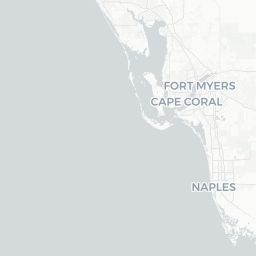
Cape Coral is a planned city in Lee County on Florida's southwest Gulf Coast, situated on a peninsula between the Caloosahatchee River to the north and Matlacha Pass to the west. With more than 400 miles of navigable canals — more than any other city in the world — it is one of the most distinctive waterfront communities in the United States.
Founded in the late 1950s as a planned residential development, Cape Coral has grown from a speculative real estate project into a city of over 175,000 residents. The layout is largely suburban, built around residential streets, canal-front lots, and a handful of commercial corridors. It lacks a traditional downtown core but has developed several concentrated areas of restaurants, marinas, and retail.
For visitors, the city functions primarily as a base for boating, fishing, kayaking, and exploring nearby barrier islands and preserves. It sits about 15 minutes by road from Fort Myers and roughly 30 minutes from Sanibel and Captiva Islands, making it a practical hub for broader Gulf Coast exploration.
Before You Go
Visas and Entry
Cape Coral is in the United States. Entry requirements depend on your nationality and travel history. Check TravelerPulse's Visas section and the official US Customs and Border Protection website for current rules before booking.
Climate
Cape Coral has a tropical monsoon climate. The dry season runs roughly November through April, with low humidity, temperatures typically in the 65–85°F (18–29°C) range, and minimal rainfall — this is peak tourist season. The wet season (May–October) brings frequent afternoon thunderstorms, high humidity, and temperatures regularly above 90°F (32°C). Hurricane season runs June through November; monitor forecasts if traveling during this period.
What to Pack
- Light, breathable clothing year-round
- Sun protection: high-SPF sunscreen, sunglasses, hat
- Insect repellent, especially for time near canals or mangroves
- Water shoes if you plan to wade or kayak
- Rain gear or a compact umbrella for summer visits
Health
No vaccinations are required for domestic US travel. Mosquitoes can be numerous near waterways, particularly in summer. Tap water is safe to drink. Verify any personal health or travel insurance requirements before departure.
Getting There
By Air
The nearest major airport is Southwest Florida International Airport (RSW) in Fort Myers, approximately 20–30 minutes by car from most parts of Cape Coral. RSW receives direct flights from many US cities and select international destinations. Check current routes with individual airlines, as service levels vary seasonally.
By Car
Cape Coral is accessible via US-41 (Tamiami Trail) and Interstate 75, with several bridges crossing the Caloosahatchee River connecting it to Fort Myers. Driving is by far the most practical way to reach and navigate the city. Rental cars are available at RSW and in Fort Myers.
By Bus
LeeTran, Lee County's public transit system, provides bus service connecting Cape Coral to Fort Myers and other parts of the county. Verify current routes and schedules at the LeeTran website, as service is limited and not well-suited to reaching most visitor attractions without a transfer.
Getting Around
A personal vehicle or rental car is essentially required for comfortable travel in Cape Coral. The city is spread across a large area with a grid-like street layout and limited public transit coverage. Most attractions, restaurants, and boat ramps are not within walking distance of one another.
By Boat
For visitors with boating experience or those renting a vessel, the canal network provides direct water access to the Caloosahatchee River, Pine Island Sound, and the Gulf of Mexico. Several marinas and boat rental companies operate in the city — verify availability and current pricing locally.
Rideshare
Rideshare services such as Uber and Lyft operate in Cape Coral and can be a practical option for evening outings when driving is not preferred. Coverage may be less consistent than in larger urban areas.
Cycling
Some residential areas have bike-friendly streets, but cycling as primary transportation is limited by distance, traffic on arterial roads, and summer heat.
Where to Stay
Accommodation in Cape Coral skews toward vacation rental properties — canal-front homes and condos with private docks and pools are widely available through major rental platforms and represent the most popular and practical lodging option for families or groups. These properties vary enormously in quality and price; read reviews carefully and verify that advertised amenities (boat access, pool heat) are included.
A smaller selection of hotels and chain properties exists, primarily along major corridors. For a wider range of traditional hotel options, Fort Myers (a short drive across the bridge) offers more choices.
Booking well in advance is strongly recommended for travel between December and March. Last-minute availability during peak season is limited and prices rise significantly.
Things to See & Do
Boating and Fishing
The canal system and Gulf access make boating and fishing the defining activities in Cape Coral. Anglers target snook, redfish, tarpon, and trout in local waters. Charter fishing boats operate out of several marinas; book in advance during peak season. Kayak and canoe rentals are also widely available for those who prefer a quieter pace.
Four Mile Cove Ecological Preserve
This city-managed preserve along the Caloosahatchee River offers a boardwalk through mangroves, kayak launch access, and opportunities to spot wading birds, manatees, and other wildlife. It is one of the more accessible natural areas within city limits.
Sirenia Vista Park
A waterfront park on the Caloosahatchee River known as a reliable spot to observe West Indian manatees, particularly in cooler months when manatees congregate in warmer canal waters. Amenities include a fishing pier and picnic areas.
Cape Coral Farmers Market
Held on weekends in season (generally November through April) in the Cape Coral Cultural Park area, the farmers market draws local vendors selling produce, prepared food, and crafts. Confirm current dates and location before visiting.
Day Trips
Cape Coral's location makes it an excellent base for reaching Sanibel and Captiva Islands (shelling, wildlife refuges), the Pine Island area (fishing villages, Matlacha arts community), and the Corkscrew Swamp Sanctuary to the east.
Food & Drink
Cape Coral's dining scene is centered on waterfront restaurants, casual seafood spots, and a diverse range of international cuisines reflecting its mix of residents and snowbird visitors. The Cape Coral Parkway and Del Prado Boulevard corridors have the highest concentration of restaurants.
Seafood
Fresh Gulf seafood is well represented — grouper, snapper, shrimp, and stone crab (in season, roughly October through May) appear on many menus. Many waterfront restaurants offer dockside dining where boaters can tie up and eat.
International Options
The city has a notable variety of Latin American restaurants, particularly Cuban and Colombian, reflecting the demographics of South Florida more broadly. Italian, Thai, and American casual dining are also well represented.
Bars and Nightlife
Cape Coral has a relaxed bar scene, with tiki bars and waterfront lounges being particularly popular. Some establishments offer live music on weekends. Nightlife is low-key compared to nearby Fort Myers Beach.
Practical Notes
Many restaurants in Cape Coral operate on seasonal schedules and may reduce hours or close during summer months. It is advisable to call ahead or check current listings before visiting a specific spot.
Practical Information
Emergency Services
For any emergency in the United States, dial 911. This connects to police, fire, and ambulance services.
Tipping
Tipping is standard in the US. Restaurant servers typically expect 18–20% of the pre-tax bill. Tip taxi and rideshare drivers, hotel housekeeping, and service staff at your discretion.
Sales Tax
Florida charges a state sales tax, and Lee County adds a local surtax. The combined rate applies to most goods and services; verify the current rate locally as it is subject to change.
Connectivity
Cell coverage from major US carriers is reliable throughout Cape Coral. Free Wi-Fi is available at many restaurants and cafes. International visitors should confirm roaming arrangements or purchase a local SIM before arrival.
Accessibility
Being a planned suburban city, Cape Coral is generally car-dependent, which can present challenges for visitors who do not drive. Many parks and public facilities are ADA-compliant, but uneven coverage of sidewalks in residential areas limits walkability for mobility-impaired visitors.
Safety
Cape Coral is generally considered a safe destination. It consistently ranks as one of the lower-crime larger cities in Florida, though as with any city, normal precautions apply: secure valuables in your vehicle, be aware of your surroundings at night, and don't leave belongings unattended at parks or boat launches.
Water Safety
Boaters should be aware of manatee speed zones, which are strictly enforced throughout the canal system and surrounding waterways. Wearing a life jacket is legally required for children under a certain age on watercraft — verify current Florida law. Swimmers should be cautious of boat traffic in canal areas.
Weather Hazards
Florida is the most lightning-prone state in the US. During afternoon summer thunderstorms, leave open water and seek shelter promptly. Follow local guidance during any named storm or tropical weather event. Sign up for Lee County emergency alerts if staying during hurricane season.