Overview
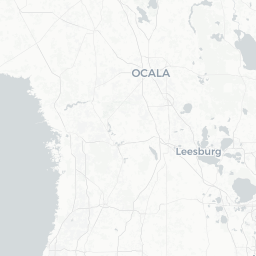
Crescent City is a small lakeside community in Putnam County, in northeast Florida's interior, situated between Crescent Lake and the St. Johns River. With a population of roughly 1,500, it functions more as a rural retreat than a conventional tourist destination. The town's appeal is low-key and deliberate: visitors come for freshwater fishing, wildlife watching, and the unhurried pace that has largely disappeared from Florida's coastlines.
The surrounding landscape is defined by the St. Johns River watershed — a broad, slow-moving blackwater system fringed by cypress swamps, marshes, and hardwood hammocks. Crescent Lake itself is one of the more productive bass-fishing lakes in the state, drawing anglers who return year after year. Birding is also a significant draw, particularly during winter months when migratory species supplement the resident population of wading birds, raptors, and waterfowl.
Crescent City retains a small historic downtown with a handful of local businesses. It is not a resort town, and visitors should arrive with realistic expectations: dining and accommodation options are limited, but the natural environment is genuinely rewarding for those who seek it out.
Before You Go
Visas and Entry
Crescent City is in the United States. For information on visas and entry requirements, visit TravelerPulse's Visas section and consult the U.S. Customs and Border Protection website or your nearest U.S. embassy or consulate.
What to Pack
- Lightweight, breathable clothing is appropriate for most of the year; pack a warm layer for winter evenings (temperatures can drop into the 40s°F/single digits°C).
- Sun protection is essential year-round — hat, sunscreen, and UV-protective clothing if you plan to spend time on the water.
- Insect repellent is strongly recommended, particularly near the lake and river edges during warmer months.
- If fishing is your primary goal, verify Florida freshwater fishing license requirements and purchase one before arrival (available online through the Florida Fish and Wildlife Conservation Commission).
Connectivity
Crescent City is a rural town; mobile coverage and broadband availability may be inconsistent depending on your carrier. Download offline maps before arriving.
Getting There
Crescent City has no commercial airport or rail service. The most practical access is by private vehicle.
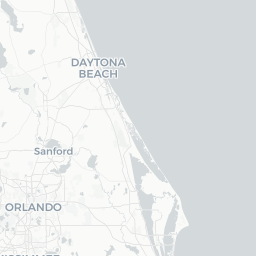
By Air: The nearest major airports are Daytona Beach International Airport (DAB) and Jacksonville International Airport (JAX), both roughly 60–75 miles away depending on your route. Orlando International Airport (MCO) is a reasonable option for travelers connecting to the area from farther afield. Verify current driving times via mapping tools before your trip, as rural road options vary.
By Car: U.S. Highway 17 passes through Crescent City and connects north to Palatka and south toward DeLand. This is the primary route for most visitors. A personal vehicle is essentially required to explore the area, as there is no meaningful public transit serving the town or its surroundings.
Getting Around
A personal vehicle is the only practical way to get around Crescent City and the surrounding region. The town itself is small enough to walk in the immediate downtown area, but reaching Crescent Lake access points, the St. Johns River corridor, and nearby communities requires driving.
If you plan to fish or explore the waterways by boat, local bait shops and marinas in the area can be a useful resource for ramp locations and current lake conditions — verify what services are available locally before your visit, as small businesses in rural Florida can change seasonally.
Where to Stay
Accommodation in Crescent City is sparse. Options have historically included small independent motels, fishing camps, and short-term vacation rentals. Rental platforms such as Airbnb and VRBO are worth checking for lake-adjacent cottages, which suit anglers and families particularly well.
For a wider range of hotels and chain properties, Palatka and St. Augustine (roughly 45 miles northeast) provide substantially more choice. If your itinerary involves day trips into the Crescent City area, basing yourself in one of these larger towns is a practical alternative. Verify current availability and rates directly with properties or booking platforms before your trip.
Things to See & Do
Freshwater Fishing
Crescent Lake is consistently recognized as one of Florida's premier largemouth bass fisheries. The lake covers approximately 15,000 acres and also supports crappie, bream, and catfish. Public boat ramps provide lake access; verify current ramp conditions and hours locally or through Putnam County resources. A valid Florida freshwater fishing license is required — purchase online through the Florida Fish and Wildlife Conservation Commission (myfwc.com).
Wildlife and Birding
The wetlands and hammocks surrounding Crescent Lake and the nearby St. Johns River support an impressive range of wildlife. Great blue herons, anhingas, ospreys, and bald eagles are regularly observed. During winter, the area attracts migratory waterfowl. Sandhill cranes are also a common sight in fields and along roadsides year-round.
Dunns Creek State Park
Dunns Creek State Park, located a short drive from Crescent City, protects a section of the St. Johns River floodplain and offers hiking trails through flatwoods and floodplain forest. The park provides river access and opportunities for paddling. Verify current hours and any day-use fees directly with Florida State Parks (floridastateparks.org) before visiting.
Exploring Downtown
Crescent City's compact historic district has a modest collection of older commercial buildings. It makes for a pleasant short walk and provides a glimpse of small-town Florida life that has changed little in recent decades.
Food & Drink
Dining options in Crescent City are limited and reflect the town's rural, small-scale character. Expect a handful of locally owned diners and casual eateries rather than any significant restaurant scene. Local establishments can change ownership or hours with little notice — verify what is currently open before planning meals around a specific place.
For a broader selection of grocery stores, fast food, and sit-down restaurants, Palatka (about 20 miles north) offers more options and is a practical stop when stocking up for a stay in the area. Many visitors who rent accommodations with kitchen access choose to self-cater for most meals.
Practical Information
Emergency Services
For emergencies in the United States, dial 911 for police, fire, or medical assistance. The nearest hospital facilities of significant scale are in Palatka; verify the closest emergency room to your specific location before traveling.
Money
Credit and debit cards are accepted at most businesses, but very small local establishments may prefer or require cash. An ATM in a larger nearby town is a sensible backup.
Weather
Northeast Florida has a humid subtropical climate. Summers (June–September) are hot and humid with frequent afternoon thunderstorms. Winters are mild but can include cool spells. The combination of heat and mosquitoes makes summer visits to the waterways less comfortable than fall and spring trips. Hurricane season runs June through November.
Mobile and Internet
As noted, rural coverage can be inconsistent. Download offline maps (such as Google Maps or Maps.me) and relevant information before arriving in the area.
Safety
Crescent City is a quiet rural community with no particular safety concerns beyond those common to outdoor recreation in Florida.
- Wildlife: Be aware of alligators near any freshwater body — they are present in virtually all Florida lakes and rivers. Do not swim in unmarked natural water, and keep children and pets away from water's edge. Eastern diamondback and cottonmouth (water moccasin) snakes inhabit the region; watch where you step in vegetation and around water.
- Sun and heat: Florida's sun is intense year-round. Stay hydrated, apply sunscreen frequently, and seek shade during midday hours, especially in summer.
- Boating safety: Wear a life jacket when on the water. Familiarize yourself with Florida boating regulations before launching.