Overview
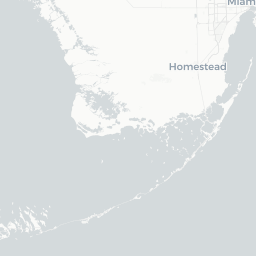
Key Biscayne is a small barrier island village located just south of Miami Beach, connected to the mainland by the Rickenbacker Causeway. With a permanent population of roughly 13,000, it functions more like a quiet residential enclave than a tourist hub, which is precisely its appeal. Visitors come for the beaches, the state park, and the relative calm that feels worlds away from downtown Miami's density.
The island is bookended by two major green spaces: Crandon Park to the north and Bill Baggs Cape Florida State Park to the south. Between them sits the compact Village of Key Biscayne, with a handful of restaurants, shops, and hotels. There is no sprawling resort strip here — the scale is intentionally human.
Key Biscayne also has ecological significance. The waters around the island are part of Biscayne National Park (which lies further south), and the shallow Biscayne Bay on the island's western side supports seagrass beds and serves as habitat for manatees, sea turtles, and a range of wading birds.
Before You Go
Visas
Key Biscayne is part of the United States. Entry requirements depend on your nationality and travel history. Check the TravelerPulse Visas section and the official US Customs and Border Protection website for current requirements before booking.
Weather and seasons
Key Biscayne has a tropical monsoon climate. The dry season runs roughly November through April with lower humidity and temperatures typically in the low-to-mid 20s°C (mid-70s°F). The wet season (May–October) brings daily afternoon thunderstorms, high humidity, and hurricane risk — the Atlantic hurricane season peaks in September. Monitor the National Hurricane Center if visiting in summer or fall.
What to pack
- Reef-safe sunscreen (strongly recommended given Florida's UV index and local ecosystem sensitivity)
- Insect repellent, especially for early morning or evening in the parks
- Light, breathable clothing year-round; a light layer for air-conditioned spaces
- Water shoes if you plan to wade in rocky shoreline areas near the lighthouse
- Cash and cards — most businesses accept both, but smaller food stands may be cash-preferred
Getting There
By air
Miami International Airport (MIA) is the primary gateway, approximately 20–30 minutes by car from Key Biscayne depending on traffic. Fort Lauderdale-Hollywood International Airport (FLL) is also an option, roughly 45–60 minutes away. Neither airport has a direct shuttle to Key Biscayne — verify current ground transportation options when booking.
By car
The Rickenbacker Causeway is the only road connection between Key Biscayne and the mainland (via Virginia Key). A toll is charged to cross; verify the current rate with Miami-Dade County. Once on the island, parking is available at Crandon Park and Bill Baggs Cape Florida State Park for a fee — these lots can fill quickly on weekends and holidays.
By rideshare or taxi
Rideshare services (Uber, Lyft) operate in the area and connect the island to Miami. Factor in causeway traffic, which can back up significantly during peak morning and afternoon hours on weekdays.
Getting Around
Key Biscayne is compact enough that a bicycle is one of the most practical ways to get around once you are on the island. Bike rentals are available locally — verify current vendors and hours on arrival. The main road, Crandon Boulevard, runs the length of the island and has dedicated cycling infrastructure in parts.
Miami-Dade Transit operates bus service across the Rickenbacker Causeway to Key Biscayne; check the Miami-Dade Transit website for current routes, schedules, and fares before your trip. A car is useful if you plan to make frequent day trips to Miami or beyond.
Within the parks, most movement is on foot. Bill Baggs Cape Florida State Park has a tram service that operates seasonally between the parking area and the lighthouse — confirm availability locally.
Where to Stay
Accommodation options on Key Biscayne are limited by the island's size and residential zoning. There are a small number of hotels and resort properties on the island; verify current availability and rates through standard booking platforms, as properties do change over time.
Vacation rentals (through platforms such as Vrbo or Airbnb) can be a practical alternative, especially for families or groups wanting more space. These tend to book up well in advance for holiday weekends and winter months.
Many visitors choose to stay in Miami — in neighborhoods like Brickell, Coconut Grove, or even South Beach — and visit Key Biscayne as a day trip. This dramatically expands accommodation choice and price range while keeping the island easily accessible by car or rideshare.
Things to See & Do
Bill Baggs Cape Florida State Park
This state park at the island's southern tip contains one of Miami-Dade County's most consistently rated beaches, a historic lighthouse (the Cape Florida Lighthouse, built in 1825), picnic pavilions, and fishing areas. Guided lighthouse tours are offered on certain days — verify the current schedule and any admission fees with Florida State Parks before visiting.
Crandon Park
A large county park occupying much of the island's northern section, Crandon Park includes a wide beach, a marina, a family amusement area, and tennis facilities (it has historically hosted professional tournaments). Admission and parking fees apply; check Miami-Dade Parks for current information.
Water activities
The calm waters of Biscayne Bay on the island's west side are popular for kayaking, paddleboarding, and windsurfing. The Atlantic side offers swimming and, in calmer conditions, snorkeling. Boat tours departing from the Crandon Park Marina can provide access to the waters of Biscayne National Park. Verify current operators and pricing locally.
Nature observation
Early mornings in either park can yield sightings of brown pelicans, roseate spoonbills, ospreys, and occasionally manatees in the bay shallows. The beach at Bill Baggs is also a sea turtle nesting site during summer months — respect any marked nesting areas.
Cycling the island
A leisurely bike ride the length of Crandon Boulevard gives a good feel for the island's residential character, park edges, and bay views.
Food & Drink
Dining on Key Biscayne is concentrated in and around the Village of Key Biscayne, roughly midway along Crandon Boulevard. Options range from casual breakfast spots and pizza to more sit-down seafood and international cuisine. The selection is limited compared to Miami, which is part of the island's character — many residents and visitors drive to Brickell, Coconut Grove, or Coral Gables for a broader range.
Both parks have snack bars or food concessions; hours and offerings vary seasonally, so verify locally before planning a full meal around them. Picnicking is permitted in designated areas of both parks and is a practical and pleasant option.
Supermarket and grocery options exist in the village for self-catering. If you are staying multiple nights and cooking, stocking up on the mainland before crossing the causeway during peak hours can save time.
Practical Information
Emergency contacts
In any emergency in the United States, dial 911. The Village of Key Biscayne has its own police department for local matters.
Connectivity
Cellular coverage (major US carriers) is generally reliable on the island. Public Wi-Fi is not universally available in the parks — download offline maps and park information before you arrive.
Money
ATMs are available in the village. Credit and debit cards are accepted at most restaurants and shops. Park admission and parking may be payable by card at automated kiosks, but verify this in advance.
Accessibility
Crandon Park and Bill Baggs Cape Florida State Park have accessible beach areas and restroom facilities. Confirm specific accessibility features with Miami-Dade Parks and Florida State Parks before your visit if this is a priority.
Tipping
Standard US tipping practices apply: 18–20% at sit-down restaurants, rounding up for counter service is appreciated but discretionary.
Safety
Key Biscayne is generally considered one of the safer communities in the Miami-Dade area, with a low crime rate relative to the broader metro. Standard urban precautions apply: secure valuables in your vehicle (or better, take them with you) and be mindful of your surroundings at night.
Ocean swimming carries natural hazards: rip currents can develop, particularly on the Atlantic side during rough weather. Observe any posted flag warnings at the beach — Florida uses a colored flag system (green, yellow, red, double red, purple) to indicate water conditions and marine life hazards. When flags are red or double red, stay out of the water.
Sunburn and heat exhaustion are real risks, especially May through September when heat indices can exceed 38°C (100°F). Stay hydrated, seek shade during peak afternoon hours, and apply sunscreen frequently.