Translate
Overview
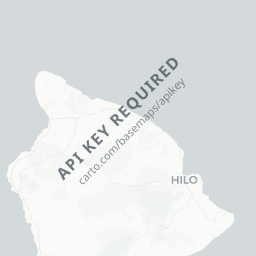
Hilo is the county seat of Hawaiʻi County and the largest town on Hawaiʻi Island (often called the Big Island). Sitting on the island's rainy windward coast, it receives some of the highest annual rainfall of any US city, which feeds a dense interior of ferns, orchids, and tropical forest. That same rainfall keeps Hilo green, lush, and genuinely beautiful in a way that feels apart from the resort-heavy west side of the island.
The town has a distinct character: old plantation-era storefronts line the bayfront, independent shops and galleries fill the downtown grid, and the pace is noticeably unhurried. Hilo serves as the primary gateway to Hawaiʻi Volcanoes National Park, roughly 30 miles to the southwest, and draws visitors who want an authentic community experience alongside dramatic natural scenery.
Because Hilo is a working town rather than a purpose-built resort, accommodation, dining, and activity options are more limited than on the Kohala Coast, but what exists tends to be locally owned and more reflective of everyday Hawaiian life. Travelers who come expecting quiet streets, independent restaurants, and a connection to the island's agricultural and cultural heritage generally leave satisfied.
Before You Go
Entry and Visas
Hilo is in the United States. Entry requirements depend entirely on your nationality. Check the TravelerPulse Visas section and the US Customs and Border Protection website for current, authoritative information before booking.
What to Pack
Rain gear is essential regardless of season — a compact waterproof jacket or a small travel umbrella should always be in your bag. Even on dry mornings, afternoon showers are common. Reef-safe sunscreen is both environmentally responsible and required by Hawaii state law at certain protected areas. Sturdy, closed-toe shoes or hiking boots are worth bringing if you plan to visit volcanic areas or rainforest trails.
Health
No special vaccinations are required for travel to Hawaii from within the United States. Travelers arriving from international destinations should check current US entry health requirements. Altitude is not a significant concern in Hilo itself, but the summit of Mauna Kea (accessible via a road from Hilo) exceeds 13,000 feet and requires acclimatization precautions. Verify the latest road and visitor access conditions before attempting the summit drive.
Travel Insurance
Standard US travel and health insurance generally applies in Hawaii. International visitors should confirm their policy covers medical care in the United States, which can be expensive without coverage.
Getting There
By Air
Hilo is served by Hilo International Airport (ITO), located just minutes from downtown. The airport receives direct flights from several mainland US cities and inter-island connections from Honolulu, Maui, and Kauaʻi. Airlines and schedules change frequently — check current routes directly with carriers or a booking platform before planning. If you cannot find a direct connection, Honolulu (HNL) is the main hub for inter-island travel.
Arriving from the West Side
Some visitors fly into Kona International Airport (KOA) on the drier Kohala Coast and drive to Hilo. The drive takes roughly 1.5 to 2.5 hours depending on the route — via the southern saddle road (Highway 200) or along the scenic coastal highways. Renting a car at the airport you arrive at is generally the most practical approach.
No Ferry Service
There is currently no regular passenger ferry service between the Hawaiian islands. Inter-island travel is by air.
Getting Around
Car Rental
A rental car is strongly recommended for exploring Hilo and the surrounding region. Public transportation is limited in coverage and frequency, and most major attractions — including Hawaiʻi Volcanoes National Park, Akaka Falls, and Waipiʻo Valley — require a vehicle. Rental agencies operate at Hilo International Airport and in town; book in advance, especially during peak travel periods.
Hele-On Bus
The County of Hawaiʻi operates the Hele-On Bus system, which connects Hilo to towns and communities across the island. It is an affordable option for budget travelers but routes and schedules may not align well with typical visitor itineraries. Verify current routes and timetables at the county's official transportation website before relying on it.
Around Downtown
Downtown Hilo itself is walkable. The bayfront, Farmers Market, and many restaurants and shops are within a compact area easily covered on foot. Taxis and rideshare services operate in Hilo but availability can be limited compared to larger cities — verify locally.
Where to Stay
Hilo's accommodation inventory is smaller than what you'll find on the resort-heavy Kohala Coast. Options include a handful of mid-range hotels, locally owned bed-and-breakfasts, vacation rentals, and a small number of budget guesthouses. Several properties are located near the bayfront or within walking distance of downtown.
Vacation rental platforms list a range of houses and cottages in and around Hilo, which can be practical for families or longer stays. If you plan to visit during peak periods — particularly around holidays, the Merrie Monarch Hula Festival (held annually in Hilo around Easter week), or major events — book well in advance as options fill quickly.
Verify current pricing, policies, and reviews on booking platforms or directly with properties, as rates and availability fluctuate.
Things to See & Do
Hawaiʻi Volcanoes National Park
The single most significant attraction accessible from Hilo is Hawaiʻi Volcanoes National Park, a UNESCO World Heritage Site approximately 30 miles southwest. The park encompasses the active Kīlauea volcano and vast volcanic landscapes including lava tubes, steam vents, craters, and stark lava fields. Volcanic activity is dynamic and conditions change — check the National Park Service website and the USGS Hawaiian Volcano Observatory for current eruption status and trail accessibility before your visit. An entrance fee applies; verify the current fee on the NPS website.
Akaka Falls State Park
Located about 11 miles north of Hilo, Akaka Falls State Park features a short loop trail through bamboo groves and tropical vegetation leading to two significant waterfalls, including Akaka Falls, which drops several hundred feet. An entry fee applies; verify current rates with the Hawaii Department of Land and Natural Resources.
Hilo Farmers Market
The Hilo Farmers Market, held on the downtown bayfront area, is a genuine community institution and one of the best farmers markets in the state. It operates multiple days per week — confirm current days and hours locally or online. Local produce, flowers, prepared foods, and crafts are all well represented.
Rainbow Falls and Wailuku River State Park
Rainbow Falls, a short drive from downtown, is a wide waterfall on the Wailuku River that produces rainbows in the mist on sunny mornings. The surrounding Wailuku River State Park includes additional geological features. Access is straightforward and the area is appropriate for all fitness levels.
Pacific Tsunami Museum
The Pacific Tsunami Museum in downtown Hilo documents the history of tsunamis that have struck the Hawaiian Islands, particularly the devastating 1946 and 1960 events that heavily damaged Hilo. It is an educational and sobering institution that provides important context for the town's geography and layout. Verify current opening hours and admission on their official site.
Mauna Kea Summit and Stargazing
Mauna Kea, the dormant volcano whose summit is the highest point in Hawaii, is accessed via a road that begins in the saddle area between Mauna Kea and Mauna Loa. The summit hosts world-class astronomical observatories and is considered sacred in Hawaiian culture. Visitor access to the summit area has been subject to ongoing discussions and restrictions — check the Mauna Kea Visitor Information Station's official resources for current access policies, road conditions, and cultural protocols before visiting. Stargazing from the visitor station at around 9,000 feet elevation is generally excellent and requires no special permit.
Food & Drink
Local Food Culture
Hilo's food scene reflects the island's multicultural plantation heritage — Japanese, Filipino, Portuguese, Chinese, and Native Hawaiian culinary influences all appear on menus across town. Plate lunches (a local institution combining rice, macaroni salad, and a protein), poke (seasoned raw fish), saimin (a local noodle soup), and malasadas (Portuguese fried doughnuts) are all worth seeking out.
Restaurants and Cafés
Downtown Hilo has a cluster of independent restaurants, cafés, and casual eateries. Options range from Japanese and sushi restaurants to local diners and farm-to-table cafés that source ingredients from Big Island farms. The quality of locally grown coffee and tropical fruit available in Hilo is notably high. Verify current hours and availability directly with restaurants, as hours can vary and smaller establishments sometimes close seasonally.
Grocery and Markets
For self-catering, Hilo has standard supermarkets and natural food stores where you can stock up on local produce, Kona coffee, macadamia nuts, and other Big Island products. The Farmers Market is also an excellent source of fresh fruit and prepared snacks at reasonable prices.
Alcohol
Hawaii has standard US alcohol regulations. The legal drinking age is 21. Beer, wine, and spirits are available at licensed restaurants, bars, and retail stores.
Shopping
Hilo's downtown has a concentration of independent shops carrying locally made products: Hawaiian quilts, koa woodwork, handmade jewelry, locally roasted coffee, and art by Big Island artists. The bayfront and surrounding streets are the primary area for browsing.
The Hilo Farmers Market also has craft vendors alongside produce stalls — it is one of the better places to find genuinely local souvenirs rather than mass-produced goods. For everyday shopping needs, Hilo has big-box retailers and standard shopping centers on the edges of town.
Practical Information
Emergency Services
In the United States, dial 911 for police, fire, or medical emergencies. Hilo Medical Center is the primary hospital serving the east side of Hawaiʻi Island.
Connectivity
Mobile coverage from major US carriers is generally reliable in Hilo town and along main highways. Coverage can be limited or absent in remote areas, lava fields, and on certain backcountry trails. Download offline maps before venturing into less-traveled areas.
Tipping
US tipping conventions apply. A gratuity of 18–20% is customary at sit-down restaurants; tipping is also standard for hotel housekeeping, tour guides, and taxi or rideshare drivers.
Power
The US uses 120V/60Hz electricity with Type A and B plugs. International visitors may need an adapter and/or voltage converter for their devices.
Time
Hawaii does not observe daylight saving time. Hawaii-Aleutian Standard Time (HST) is UTC−10 year-round, which means Hawaii is further behind the US mainland during the summer months when most states spring forward.
Safety
Hilo is generally considered a safe destination for travelers exercising normal awareness. As with any town, pay attention to your surroundings, secure valuables in your rental car out of sight, and be mindful in quieter areas after dark.
Natural Hazards
Hawaii's natural environment presents specific risks that deserve serious attention. Volcanic activity, including lava flows and volcanic emissions (referred to locally as "vog" — volcanic smog), can affect air quality and road access. Check USGS and National Park Service advisories regularly if visiting during active eruption periods. Ocean conditions can be dangerous even at calm-looking beaches — never turn your back on the ocean, heed posted warning signs, and avoid entering the water at beaches with no lifeguard presence unless you are an experienced ocean swimmer. Flash flooding in valleys and near streams can occur rapidly during or after heavy rain.
Tsunami Awareness
Hilo Bay is historically vulnerable to tsunamis. Familiarize yourself with evacuation zone signage in the area. If you feel a strong earthquake or receive an official warning, move inland and to higher ground immediately without waiting for further instructions.
Local Culture & Etiquette
Hilo has a strong sense of local identity rooted in Native Hawaiian culture and the multicultural legacy of the plantation era. Visitors are welcomed but are expected to approach both the natural environment and cultural sites with respect.
Hawaiian cultural protocols matter here. Sacred sites — including heiau (traditional temples), certain coastal and mountain areas, and Mauna Kea — should be treated with deference. Do not remove rocks, coral, or sand from natural areas (it is also illegal under state law). Learn a few basic Hawaiian words and place names and make an effort to pronounce them correctly; locals genuinely appreciate the effort.
The Merrie Monarch Festival, held annually in Hilo during the week following Easter, is the most prestigious hula competition in the world. It is a deeply meaningful cultural event, not a tourist spectacle. If you attend as a visitor, do so respectfully. Tickets are in extremely high demand; check the official festival website well in advance for ticket information.
Hilo is also home to a vibrant Japanese-American cultural community, reflected in temple celebrations, local food traditions, and annual festivals. Engaging with these communities through food, cultural institutions, and events is one of the genuine pleasures of spending time in the town.