Overview
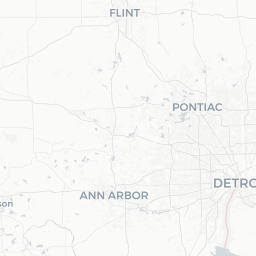
Lansing is Michigan's state capital and sits near the geographic center of the Lower Peninsula, roughly 85 miles northwest of Detroit. With a population of around 113,000, it is a mid-sized city that blends government, higher education, and manufacturing history in a compact, navigable footprint.
The city straddles the Grand River and its tributary the Red Cedar, giving it a series of riverside parks and trails that punch above its weight for outdoor recreation. The adjacent city of East Lansing — home to Michigan State University (MSU) — bleeds seamlessly into Lansing's eastern edge, adding a college-town energy, additional dining options, and world-class museum facilities to the broader metro area.
Lansing's roots in the auto industry (Oldsmobile was founded here in 1897, and GM still operates plants in the area) give it an industrial character that coexists with state-government institutions, a growing craft-beverage scene, and a revitalized downtown core along Michigan Avenue and Washington Square.
Before You Go
Visas
Lansing is a city in the United States. Entry requirements depend entirely on your nationality and travel history. Check TravelerPulse's Visas section and the official U.S. Customs and Border Protection website (cbp.gov) for current requirements before booking.
Weather & Seasons
- Spring (Mar–May): Temperatures rise from cold to mild; rain is common. Lake-effect conditions can linger into April.
- Summer (Jun–Aug): Warm and humid, typically 75–85 °F (24–29 °C). Peak season for festivals and outdoor events.
- Fall (Sep–Nov): Crisp and increasingly cold; foliage peaks in late September and early October.
- Winter (Dec–Feb): Cold, with regular snowfall. Temperatures frequently below freezing. Pack layers and waterproof footwear.
Practical Prep
- Lansing is a driving city; arranging your own transport before arrival makes the experience significantly easier.
- If you plan to visit Michigan State University's campus museums, check their individual websites in advance for hours, as academic calendars affect access.
- Michigan operates under Eastern Time and observes daylight saving time.
Getting There
By Air
Capital Region International Airport (LAN) serves Lansing with regional and connecting flights. It is a small airport, so travelers from distant origins may find more flight options — and often lower fares — through Detroit Metropolitan Airport (DTW, roughly 90 miles east) or Gerald R. Ford International Airport in Grand Rapids (GRR, roughly 65 miles west). Both are reachable by car or shuttle services; verify current shuttle and car-rental options locally.
By Road
Lansing sits at the junction of I-96 (east–west) and US-127 (north–south). It is approximately 90 minutes from Detroit, 1.5 hours from Grand Rapids, and 4 hours from Chicago. The highway network makes self-driving straightforward.
By Bus
Interurban bus services (including Greyhound affiliates and FlixBus, subject to route changes) connect Lansing to Detroit, Grand Rapids, and other regional cities. Verify current routes and schedules directly with carriers before travel.
By Rail
Amtrak's Blue Water and Pere Marquette lines stop at the East Lansing Amtrak station, connecting to Chicago and Detroit's main rail hub. Journey times vary; check Amtrak.com for current schedules and fares.
Getting Around
Car
A personal vehicle is the most practical way to get around Lansing. Street parking and surface lots are available throughout the city; downtown has several parking structures. Verify current parking rates locally.
Public Transit
Capital Area Transportation Authority (CATA) operates bus routes throughout Lansing and East Lansing, including a free bus link between the two downtowns (the #1 CATA route). Service frequency varies by route; check cata.org for current schedules and fare information.
Biking and Walking
The River Trail system follows the Grand River and Red Cedar River for several miles and is well-suited to cycling and walking in warmer months. Downtown Lansing and MSU's campus are both reasonably walkable within their own cores, though the distance between them requires transit or a vehicle.
Things to See & Do
Government & History
- Michigan State Capitol: The 1879 Beaux-Arts capitol building offers free public tours and is one of the finest state capitol buildings in the country. Tours are typically available on weekdays; verify hours on the Michigan Legislature's official site (michigan.gov/capitol).
- R.E. Olds Transportation Museum: Dedicated to Lansing's automotive heritage and the founder of Oldsmobile, this small museum covers the city's significant role in early American car manufacturing. Confirm hours and admission fees before visiting.
Museums & Culture (East Lansing / MSU)
- Michigan State University Museum: A natural and cultural history museum on MSU's campus with free general admission (verify current policy).
- Eli and Edythe Broad Art Museum: A striking Frank Gehry–designed contemporary art museum on the MSU campus with rotating exhibitions. Admission is free; verify hours.
- MSU Abrams Planetarium: Public sky shows and exhibits; check their website for scheduling.
Parks & Outdoors
- Lansing River Trail: A paved multi-use trail running along the Grand River. Popular for walking, jogging, and cycling.
- Hawk Island County Park: Offers a swimming beach, paddleboat rentals, and winter tubing hill (seasonal; verify fees and hours with Ingham County Parks).
- Potter Park Zoo: A mid-sized zoo along the Red Cedar River. Verify current admission pricing and hours at potterparkzoo.org.
Sports
- Michigan State Spartans athletics (football, basketball, hockey) at MSU are a major draw, particularly during the Big Ten season. Tickets should be arranged well in advance for popular matchups.
Food & Drink
Dining Overview
Lansing's food scene is unpretentious and increasingly diverse. Michigan Avenue and the Old Town neighborhood north of downtown have concentrations of independent restaurants and bars. East Lansing's Grand River Avenue corridor caters heavily to students and university visitors but also hosts some well-regarded independent spots.
Neighborhoods to Explore
- Old Town: Lansing's arts and dining district, with galleries, cafés, and locally owned restaurants in a walkable cluster north of downtown.
- East Lansing (Grand River Ave): Dense with dining options ranging from casual to mid-range; best explored on foot.
- Downtown Lansing (Washington Square area): Growing number of restaurants and craft cocktail bars, particularly active during weekday lunch and evening hours.
Local Notes
- Michigan craft beer culture is strong; several taprooms and craft breweries operate in and around Lansing. Look for local brewery taprooms in Old Town and downtown.
- The Lansing City Market (verify current operating days) has historically offered local produce and vendor foods; confirm it is operating before making a special trip.
Shopping
Shopping in Lansing is primarily utilitarian rather than a destination draw. Eastwood Towne Center on the city's east side is a conventional open-air retail center with national chains. For more distinctive shopping, Old Town has a cluster of independent boutiques, antique shops, and gallery spaces worth browsing.
The MSU campus area in East Lansing has bookstores and Spartan-branded merchandise, which is of particular interest to university fans. For large-format retail or outlet shopping, visitors may find more variety in the broader metro area; verify options locally based on your specific needs.
Practical Information
Emergency Services
In any emergency in the United States, dial 911 for police, fire, or ambulance.
Health
Sparrow Health System and McLaren Greater Lansing are the major hospital networks serving the area. For non-emergency care, urgent care clinics are distributed throughout the metro.
Money
ATMs are widely available. Credit and debit cards are accepted at virtually all businesses. Tipping is customary in restaurants (typically 18–20% of the pre-tax bill) and for personal services.
Connectivity
Free Wi-Fi is available at the public library, most cafés, and on the MSU campus. Cell coverage from major U.S. carriers is strong throughout the city.
Accessibility
The Michigan State Capitol, major museums, and most public facilities comply with ADA accessibility requirements. CATA buses are equipped with accessibility features; contact CATA directly for specific route information.
Safety
Lansing is a typical mid-sized American city with neighborhoods that vary in character. Downtown, the Capitol area, the MSU campus, and Old Town are generally comfortable for visitors during the day and in the evening.
As in any city, it is sensible to be aware of your surroundings, secure valuables in your vehicle, and stick to well-lit, populated areas after dark. Check current local advisories through the Lansing Police Department's public communications if you have specific concerns. Emergency services are reached by dialing 911.
Local Culture & Etiquette
Lansing's civic identity is shaped by three overlapping forces: state government (many residents work in public administration or adjacent fields), the legacy of manufacturing (particularly the auto industry), and the influence of Michigan State University just next door.
MSU brings a significant international student and faculty population, which is reflected in the diversity of food and cultural events available in the East Lansing area. The university's presence also means the city has a higher-than-average density of museums, lectures, and performing arts events for its size; check MSU's events calendar for what is on during your visit.
Lansing has an active arts community centered in Old Town, including galleries, a community arts space, and periodic public art installations along the river corridor. The Lansing Symphony Orchestra and Wharton Center for Performing Arts (on the MSU campus) provide classical and touring performing-arts programming throughout the year.