Overview
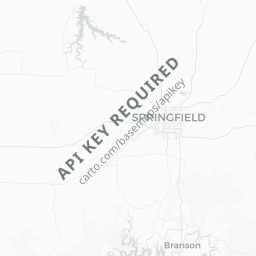
Springfield is the third-largest city in Missouri and serves as the commercial and cultural hub of the Ozarks region. Situated in the southwest part of the state at an elevation of roughly 1,300 feet, it sits on the Springfield Plateau—a gently rolling landscape that gives way to more rugged Ozark terrain within a short drive.
The city has a notable place in American history as the site of one of the first recognized gunfights of the Old West, involving Wild Bill Hickok, and as a significant point along Historic Route 66. Today Springfield blends a mid-size university-town atmosphere—home to Missouri State University and Drury University—with a lively downtown, a respected craft brewing industry, and easy access to lakes, rivers, and trails.
Visitors typically find Springfield more affordable than larger Midwestern metros, with a compact downtown core that is walkable and a surrounding metro area that rewards those with a car. The city draws both outdoor enthusiasts heading into the Ozarks and travelers interested in American retail history, as Bass Pro Shops was founded here and operates its flagship "Outdoor World" store in the city.
Before You Go
Visas and Entry
Springfield is in the United States. Entry requirements depend on your nationality and travel history. For accurate, up-to-date visa information, check TravelerPulse's Visas section and the official U.S. Customs and Border Protection website.
Climate
Springfield has a humid continental climate with four distinct seasons. Summers (June–August) are warm to hot with occasional humidity; temperatures regularly reach the upper 80s°F (low 30s°C). Winters can bring ice storms and occasional snow, which can affect road conditions. Spring and fall are the most comfortable seasons and coincide with peak outdoor recreation in the Ozarks. Tornadoes are possible in spring and early summer—be aware of local weather alerts.
What to Pack
- Layers are useful year-round; evenings can be cool even in summer
- Sturdy walking or hiking shoes if you plan day trips into the Ozarks
- Rain gear in spring
- Sun protection for summer visits
Useful Apps and Resources
- The Springfield Convention & Visitors Bureau website offers event calendars and attraction listings (verify locally for the current URL)
- Missouri State Highway Patrol and local news outlets for weather and road conditions
Getting There
By Air
Springfield-Branson National Airport (SGF) is located just northwest of the city center and receives direct flights from several major U.S. hubs. Carriers and routes change; check the airport's official website for current service. The airport is a small regional facility, so connecting through cities like Dallas, Chicago, or Atlanta is often necessary.
By Car
Springfield sits at the junction of Interstate 44 (Historic Route 66 corridor, running roughly east–west) and U.S. Highway 65 (north–south). Driving is the most common way to reach the city from Kansas City (approximately 2.5 hours north), St. Louis (approximately 3.5 hours northeast), and Tulsa, Oklahoma (approximately 2 hours southwest). Parking in the city and downtown is generally available and affordable.
By Bus
Greyhound and regional intercity bus services connect Springfield to larger regional cities. Verify current schedules and stops directly with carriers before travel.
By Rail
Springfield does not currently have direct Amtrak service to the city center. The nearest Amtrak stations are in Ft. Scott, Kansas, or Poplar Bluff, Missouri—both require additional ground transportation. Verify current Amtrak route maps before planning rail travel.
Getting Around
A personal vehicle or rental car is the most practical way to get around Springfield and especially for day trips into the surrounding Ozarks. The metro area is spread out and many key attractions, including Bass Pro Shops, the nature center, and Wilson's Creek battlefield, are not easily reached on foot from downtown.
City Bus
CityUtilities operates the Springfield City Bus system, which covers the main corridors of the city. Schedules and routes are available on the CityUtilities website; verify current service before travel.
Rideshare
Rideshare services (Uber, Lyft) operate in Springfield and are generally reliable for trips within the city. Availability may be limited late at night or in outlying areas.
Downtown and Walking
The downtown square and the nearby C-Street (Commercial Street) arts district are compact and walkable. Biking infrastructure exists but is limited; verify current trail and lane maps with the city's parks department.
Things to See & Do
Bass Pro Shops Outdoor World
The original Bass Pro Shops flagship store on Campbell Avenue is itself a significant attraction, featuring indoor waterfalls, aquariums, taxidermy displays, and extensive outdoor gear. Entry to browse is free; verify current hours on the Bass Pro Shops website.
History and Museums
- Wilson's Creek National Battlefield: One of the first major Civil War battles west of the Mississippi, located about 10 miles southwest of downtown. The National Park Service operates the site; check the NPS website for current hours and fees.
- Springfield History Museum on the Square: Covers the city's history including its Route 66 heritage and Wild Bill Hickok connections. Verify hours and admission locally.
- Route 66: Several surviving Route 66-era diners, motels, and roadside attractions are scattered along Kearney Street and St. Louis Street. The Route 66 Association of Missouri is a good resource.
Nature and Outdoors
- Springfield Conservation Nature Center: A free Missouri Department of Conservation facility with indoor exhibits and outdoor trails in a natural setting. Hours should be verified with MDC.
- Lake Springfield and Fellows Lake: Nearby lakes offer fishing, walking trails, and seasonal recreation.
- Jordan Valley Park and the Springfield Greenways: A network of trails connects neighborhoods and green spaces throughout the city.
Arts and Culture
- Hammons Hall for the Performing Arts at Missouri State University hosts touring productions and local performances.
- The Creamery Arts Center and surrounding Commercial Street district support local galleries and studios.
- Springfield Art Museum: A free municipal art museum with a permanent collection and rotating exhibitions. Verify hours locally.
Food & Drink
Springfield has a culinary identity worth noting: the city claims to be the birthplace of "cashew chicken," a local Chinese-American dish featuring breaded and fried chicken in a savory gravy with cashews, distinct from versions found elsewhere. Numerous local Chinese restaurants serve this dish; it is considered a regional specialty.
Downtown and C-Street Dining
The downtown square and adjacent blocks have a concentration of restaurants, coffee shops, and bars. The Commercial Street (C-Street) corridor has attracted independent restaurants and breweries. The dining scene skews toward American comfort food, barbecue, and burgers, though international options have grown in recent years.
Craft Beer
Springfield has a well-developed craft brewing scene relative to its size. Several local breweries operate taprooms in and around downtown. Names and hours should be verified locally as the scene changes regularly.
Practical Notes
- Many independent restaurants cluster downtown and on the main commercial corridors (Republic Road, Battlefield Road, National Avenue)
- Chain restaurants are widely available throughout the suburban areas
- Tipping 18–20% is standard practice at sit-down restaurants
Shopping
Bass Pro Shops aside, Springfield has a range of shopping options. The downtown square has independent boutiques, antique stores, and specialty shops. Commercial Street also hosts vintage and artisan goods.
For mainstream retail, Battlefield Mall on East Battlefield Road is the primary enclosed regional mall. Big-box retail is concentrated along major commercial corridors including Glenstone Avenue and Republic Road.
Antique hunters will find several multi-dealer antique malls in the Springfield area; verify current locations and hours locally as these can change.
Practical Information
Emergency Services
For all emergencies in the United States, dial 911. Non-emergency police contact for Springfield can be found on the Springfield Police Department's official website.
Health
Mercy Hospital Springfield and Cox Medical Centers are the two major hospital systems in the city. Visitors from outside the U.S. should ensure they have adequate travel health insurance, as U.S. medical care can be very expensive without coverage.
Money
ATMs are widely available. Major credit and debit cards are accepted almost universally. Cash is useful for some farmers markets, small vendors, and tips.
Connectivity
Wi-Fi is available at most hotels, coffee shops, and the Springfield-Greene County Library branches. Cell coverage is strong throughout the city; rural Ozark areas outside the city may have reduced coverage.
Sales Tax
Missouri has a state sales tax, and Greene County and the city of Springfield add local taxes. The combined rate in Springfield is typically above the state base rate; verify the current rate if relevant to large purchases.
Safety
Springfield is a mid-size American city with the range of safety conditions typical of such places. Downtown and tourist areas are generally safe during the day and evening, particularly around the square and during events. Standard urban precautions apply: be aware of your surroundings, secure valuables in your vehicle (car break-ins have been reported in parking areas), and avoid poorly lit or unfamiliar areas late at night.
Weather safety is a real concern: Missouri is within the broader tornado-prone region of the central United States. Download a reliable weather alert app (the National Weather Service app is widely used) and know the emergency procedures at your accommodation. Ice storms in winter can make roads hazardous; check road conditions before driving.
For the most current neighborhood-level safety context, consult the Springfield Police Department's publicly available crime data or ask your accommodation for local guidance.
Local Culture & Etiquette
Springfield reflects a broadly Midwestern American culture with Ozark regional influences. The city is home to several universities, which contribute a younger demographic and a degree of cultural diversity to what is otherwise a predominantly small-city, Midwest character.
Religious institutions are prominent in community life, reflecting the broader patterns of the southern Midwest. The Assemblies of God denomination, a major American Pentecostal church, has its world headquarters in Springfield—a fact of interest to visitors curious about American religious history.
Sports are important locally: Missouri State University Bear athletics draw consistent community engagement. Minor league baseball (the Springfield Cardinals, a St. Louis Cardinals affiliate) plays at Hammons Field downtown during the season—verify the current schedule on the team's official site.
The city celebrates its Route 66 heritage through local festivals and signage; the annual Route 66 Days event (verify current scheduling) draws enthusiasts and classic car collectors.