Translate
Overview
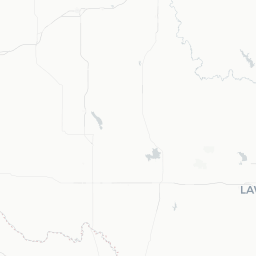
Cole is an unincorporated rural community in Grady County, central Oklahoma, with a population of roughly 570 people. Situated at approximately 35.1°N, 97.6°W, it occupies the rolling red-soil plains that define much of south-central Oklahoma. The landscape is largely agricultural — wheat fields, cattle pastures, and scattered stands of blackjack and post oak — giving the area a quiet, working-country character.
The community sits roughly 30 miles southwest of Oklahoma City, placing it within easy reach of urban amenities while retaining a distinctly small-town pace. It is not a conventional tourist destination, but travelers who appreciate rural American landscapes, open skies, and a genuine sense of place will find the surrounding countryside rewarding. Visitors typically use Cole as a quiet retreat or as a stop while exploring Grady County's larger towns.
Before You Go
Cole has no dedicated visitor infrastructure — no tourist office, no staffed welcome center. Travelers should plan and provision before arriving, as services within the community itself are minimal.
Visas
Entry requirements depend on your nationality. Check TravelerPulse's Visas section and the official U.S. Customs and Border Protection website for current rules before you travel.
What to bring
- Cash and cards: Carry cash; ATMs and card readers are not guaranteed in very small communities. The nearest reliable banking services are in Chickasha or Tuttle.
- Fuel: Fill your tank before leaving a larger town; local fuel availability is not guaranteed.
- Weather layers: Oklahoma weather can shift quickly. Spring brings severe thunderstorm risk; summer heat can be intense (verify forecasts via the National Weather Service, weather.gov).
- Navigation: Cell signal can be inconsistent on rural roads. Download offline maps before you go.
Getting There
Cole is most practically reached by private vehicle. US-81 and State Highway 37 serve the broader Grady County area and connect to the community via local county roads.
By car: From Oklahoma City, take I-44 southwest or US-81 south toward Chickasha, then follow local routes to Cole — approximately 30–35 miles. Verify the exact county road approach on a current map, as signage for unincorporated communities can be sparse.
By air: Will Rogers World Airport (OKC) in Oklahoma City is the nearest major airport with national airline service. Rent a car at the airport; it is the only practical way to reach Cole.
Public transit: No scheduled public bus or rail service connects Cole to regional centers. Verify locally whether Grady County offers any rural transit programs.
Getting Around
A personal vehicle is essential for getting around Cole and the surrounding Grady County area. Roads are a mix of state highways and unpaved county roads; a standard car is sufficient in dry conditions, but gravel roads can become difficult after heavy rain.
Rideshare availability (Uber, Lyft) in this rural area is unreliable — do not count on it. Plan all transportation independently. Distances between points of interest in the region are measured in miles, not walking blocks.
Things to See & Do
Cole itself does not have commercial attractions, parks, or museums. The appeal here is the rural Oklahoma landscape — wide horizons, agricultural scenery, and night skies largely free of light pollution.
Nearby outdoor and cultural experiences
- Grady County countryside: Driving the county roads in spring reveals wildflowers including Oklahoma's state wildflower, mistletoe's host plants, and fields of blooming native grasses.
- Chickasha (approx. 15 miles southwest): The county seat offers the University of Science and Arts of Oklahoma, local history museums, and the well-known Festival of Light held at Shannon Springs Park in winter — verify current dates and admission on official Chickasha city resources.
- Lake Chickasha area: Fishing and outdoor recreation; verify access and current conditions with Oklahoma State Parks or the Army Corps of Engineers.
- Tuttle (approx. 10 miles north): A slightly larger community with local services and a more developed small-town character.
Food & Drink
There are no restaurants, cafes, or bars confirmed within Cole proper. Travelers should plan meals before arriving or drive to Chickasha or Tuttle for food options.
Chickasha has a range of locally owned diners, fast-food chains, and grocery stores typical of a small Oklahoma city. Grady County's food culture reflects broader Oklahoma traditions: chicken-fried steak, barbecue, and home-style cooking are common across the region's diners. Verify current operating businesses locally, as small-town establishments open and close without wide notice.
Practical Information
Emergency services
For any emergency in the United States, dial 911. Grady County Sheriff's Office serves unincorporated areas like Cole; verify non-emergency contact numbers through the Grady County government website.
Medical
The nearest hospital services are in Chickasha. For serious emergencies, Oklahoma City's medical facilities are approximately 35 miles away. Carry any prescription medications and a basic first-aid kit.
Connectivity
Cell coverage can be patchy on rural Grady County roads. Major carriers (AT&T, Verizon, T-Mobile) generally have stronger rural coverage than smaller providers, but gaps exist. Download maps and any needed information before leaving a city.
Utilities and services
The community relies on private wells, rural water districts, and septic systems common to unincorporated Oklahoma. If staying in the area in a rental property, verify utility arrangements with the property owner in advance.
Safety
Cole is a quiet rural community with no specific safety concerns beyond those typical of rural Oklahoma. The primary considerations are weather and road conditions.
Severe weather: Oklahoma's Tornado Alley designation is real. Spring and early summer bring elevated risk of tornadoes and large hail. Monitor the National Weather Service (weather.gov) actively when visiting during storm season. Know where to shelter — in a sturdy building's interior room, away from windows, or a storm shelter if available.
Rural road safety: Some county roads are unpaved and poorly lit at night. Drive at reduced speeds on gravel, and be alert for farm equipment, livestock crossings, and unmarked intersections. Inform someone of your itinerary if traveling on unfamiliar rural roads.