Translate


Overview
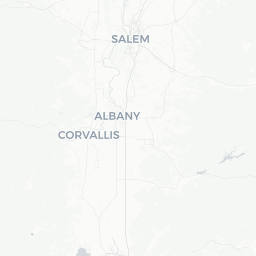
Salem is Oregon's state capital and sits in the heart of the Willamette Valley, roughly 47 miles south of Portland. With a population of around 175,000, it is Oregon's third-largest city — large enough to offer a genuine range of restaurants, museums, and cultural venues, yet compact enough to feel navigable without a car for much of the downtown core.
The city's identity is shaped by government, agriculture, and education. The fertile valley floor surrounding Salem supports significant cherry, berry, and hop farming, and the broader Willamette Valley wine region — one of the most respected Pinot Noir producers in North America — begins effectively at Salem's doorstep. Several wineries operate within or very close to city limits.
Historically, Salem was founded in the 1840s by Methodist missionaries and served as the terminus of the Willamette Mission, making it one of Oregon's oldest European-American settlements. That history is visible in a handful of well-preserved sites downtown and at the state capitol complex. Travelers who dismiss Salem as merely a government town tend to be surprised by its walkable downtown, active arts scene, and easy access to outdoor recreation.
Before You Go
Visas and Entry
Salem is a domestic US destination. International travelers entering the United States should check TravelerPulse's Visas section and verify current requirements with the US Department of Homeland Security or their nearest US embassy or consulate before booking.
Weather and Packing
Salem has a temperate oceanic climate with warm, dry summers and cool, wet winters. Summers (June–September) are reliably sunny with daytime highs typically in the mid-70s to mid-80s°F (roughly 24–30°C). Rainfall is concentrated between November and March. Pack layers even in summer, as evenings can be cool. Waterproof footwear and a rain jacket are advisable for fall and winter visits.
Health and Insurance
No specific vaccinations are required for travel to Salem. Standard US travel health insurance recommendations apply — verify your coverage before departure, as out-of-network medical costs in the US can be significant for international visitors.
Oregon Sales Tax
Oregon has no state sales tax, which means the price listed on an item is the price you pay at the register — a practical benefit for shopping and dining.
Getting There
By Air
The closest commercial airport is Portland International Airport (PDX), approximately 50 miles north of downtown Salem. PDX serves a broad range of domestic and international routes. From PDX, travelers can reach Salem by rental car (roughly 50–60 minutes depending on traffic on I-5), by Amtrak, or by intercity bus. Salem does have a small general aviation airport (McNary Field / SLE) but it does not serve scheduled commercial passenger flights.
By Train
Amtrak's Cascades and Coast Starlight routes stop at Salem's downtown train station. Service connects Salem to Portland, Eugene, and points beyond. Verify current schedules and booking on the Amtrak website, as service frequency and travel times vary by route and season.
By Bus
Greyhound and several regional carriers operate intercity bus service to Salem. The Salem Transit District (Cherriots) also operates regional connections. Verify current routes and schedules locally or on the Cherriots website.
By Car
Salem sits directly on Interstate 5, making it straightforward to reach from Portland (south on I-5) or Eugene (north on I-5). Parking is generally available downtown, including street parking and public garages — verify current rates locally.
Getting Around
On Foot and by Bike
Downtown Salem is reasonably walkable. The capitol building, Willamette University, the main commercial streets, and the riverfront are all within comfortable walking distance of each other. Salem has a developing network of bike lanes and multi-use paths; bicycle rental options exist but verify availability locally before relying on them.
Public Transit
Cherriots (Salem Area Mass Transit District) operates fixed-route bus service throughout Salem and surrounding areas. Fares and schedules are available on the Cherriots website. The system is useful for reaching attractions beyond the downtown core but may require transfers and additional time compared to driving.
By Car
A car is recommended if you plan to visit wineries in the surrounding hills, the Enchanted Forest theme park (located just south of Salem), or Silver Falls State Park. Rideshare services including Uber and Lyft operate in Salem — verify current coverage in the app before your trip.
Things to See & Do
Oregon State Capitol
Salem's most recognizable landmark is the Oregon State Capitol building, a distinctive Art Moderne structure topped with a gold-leafed bronze statue known as the Oregon Pioneer. The capitol grounds are open to the public and the interior is accessible on most weekdays; verify public tour hours on the Oregon Legislative Assembly website before visiting.
Historic Sites
- Mission Mill Museum — A well-regarded heritage site on the grounds of a former woolen mill from the 1800s, with period buildings and exhibits on Oregon's pioneer and Native American history. Verify current hours and admission fees before visiting.
- Deepwood Museum and Gardens — A Queen Anne–style Victorian house surrounded by formal gardens, operated as a local historic landmark. Verify hours and fees locally.
- Bush's Pasture Park — A large public park that includes the Bush House Museum, a 19th-century Italianate residence, as well as an art center and rose garden.
Willamette Valley Wine Country
The Eola-Amity Hills AVA and the broader Willamette Valley wine region are accessible within a short drive of downtown Salem. Many small-production wineries offer tasting rooms; hours and reservation requirements vary widely, so check individual winery websites before visiting.
Enchanted Forest
Located a few miles south of Salem near Turner, the Enchanted Forest is a family-oriented theme park with a long local history. It is generally open seasonally — confirm current hours and ticket prices on the official Enchanted Forest website.
Silver Falls State Park
Oregon's largest state park by area, Silver Falls is approximately 26 miles east of Salem and features the Trail of Ten Falls, a hiking loop passing multiple waterfalls including the iconic South Falls. Day-use fees apply; verify current fee information with Oregon State Parks.
Food & Drink
Dining
Salem's dining scene has grown considerably in recent years. Downtown and the surrounding neighborhoods offer a range of options from casual farm-to-table restaurants leaning on Willamette Valley produce to international cuisine reflecting the city's diverse population. Several restaurants cluster along Commercial Street SE and in the downtown core.
Craft Beer
Salem has a genuine craft beer culture. Multiple brewpubs and taprooms operate in and around downtown. Options vary in size and style from production breweries with taprooms to smaller neighborhood pubs. Specific hours and lineups change frequently — check individual venue websites or ask locally for current recommendations.
Coffee
Like much of Oregon, Salem has a strong independent coffee shop culture. Locally owned cafes are distributed throughout the downtown area and surrounding neighborhoods and are generally a better reflection of local taste than chain options.
Markets and Local Produce
The Salem Saturday Market (verify current season dates and location) and other farmers' markets offer fresh local produce, flowers, and artisan food products during the growing season. Given the region's agricultural richness, local cherries, berries, hazelnuts, and hops are often available in season.
Shopping
Salem's main shopping areas include downtown Salem, where independent boutiques, antique shops, and specialty retailers are concentrated, and larger commercial corridors with national chain stores. Remember that Oregon levies no state sales tax, so prices are exactly as marked.
The Lancaster Mall and other suburban retail centers exist for everyday shopping needs. For more distinctive finds, the downtown antique and vintage shops and the Saturday Market are worth exploring. Willamette Valley wine is an obvious and practical local purchase; many tasting rooms sell bottles directly.
Practical Information
Emergency Services
In any emergency in the United States, dial 911 for police, fire, or medical assistance.
Connectivity
Cell coverage from major US carriers is reliable throughout Salem. Free Wi-Fi is available at the Salem Public Library and at many cafes and restaurants.
Money
ATMs are widely available. Credit and debit cards are accepted almost universally. As noted, Oregon has no sales tax.
Pharmacies and Medical Care
Salem has multiple pharmacies (including national chains) and hospital facilities. Salem Health is the primary hospital system — verify the nearest urgent care or emergency room location on their website if needed.
Tipping
Standard US tipping conventions apply: 18–20% is customary in sit-down restaurants; tip jars are common at coffee counters but not obligatory.
Safety
Salem is a mid-sized American city with a generally moderate safety profile. Downtown Salem, like many US city centers, has areas with higher rates of property crime and visible homelessness, particularly around certain commercial corridors. Exercise standard urban awareness — secure valuables, be aware of surroundings, and avoid leaving items visible in parked vehicles.
The surrounding natural areas, including trails and parks, are generally safe but carry standard outdoor precautions: check weather forecasts before hiking, carry water, and let someone know your plans for longer excursions. Poison oak is present on many Willamette Valley trails; learn to identify it before hiking off-path.
For non-emergency police assistance in Salem, contact the Salem Police Department — verify the non-emergency number locally or through the City of Salem's official website.
Local Culture & Etiquette
Salem has a modest but genuine arts and culture infrastructure for a city of its size. The Hallie Ford Museum of Art, affiliated with Willamette University, is considered one of the stronger art museums in Oregon outside of Portland, with collections that include Pacific Northwest art and Native American works. Verify current hours and admission fees before visiting.
The Elsinore Theatre, a 1926 Gothic-Tudor venue, hosts performing arts events ranging from concerts to theatrical productions and is a local architectural landmark worth seeing even from the exterior. The Pentacle Theatre is a long-running community theater company. Check event schedules on individual venue websites.
Salem's cultural fabric also reflects its significant Latino population — particularly tied to the agricultural industry — which is visible in the city's restaurants, markets, and community events. The Oregon State Fair, held annually in late August and early September at the fairgrounds adjacent to downtown, is a major regional event drawing visitors from across the state.