Overview
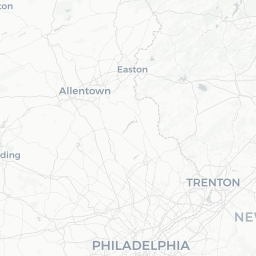
Reading (locally pronounced REH-ding) is a mid-sized city of roughly 88,000 people in Berks County, southeastern Pennsylvania, situated along the Schuylkill River at the foot of Mount Penn. It was founded in 1748 by sons of William Penn and grew into an industrial hub known for ironworks, railroads, and — above all — pretzels, earning it the nickname "Pretzel City."
Today Reading sits at a crossroads between its industrial past and a gradually evolving economic identity. The city draws day-trippers from Philadelphia and New York primarily for its outlet and discount shopping districts, but there is a quieter layer of history, public parks, ethnic food, and community culture that rewards visitors willing to look beyond the retail strips.
The surrounding Berks County countryside blends gently with Pennsylvania Dutch country to the west, making Reading a practical base for exploring covered bridges, farm markets, and rural landscapes without the heavier tourist infrastructure of Lancaster County.
Before You Go
Visas
Reading is a domestic US destination. International travelers should check TravelerPulse's Visas section and consult the US Department of Homeland Security or their nearest US embassy or consulate for current entry requirements.
What to Pack
- Comfortable walking shoes; sidewalks in the older downtown can be uneven.
- A car or rideshare plan — public transit is limited and most attractions are spread out.
- Cash and cards both accepted widely; smaller diners and markets may prefer cash.
Health & Insurance
Travel or health insurance is advisable for international visitors. Verify your coverage before departure. The area is served by several regional hospitals; confirm current facilities locally.
Getting There
By Air
Reading Regional Airport (RDG) handles limited charter and general aviation traffic; most visitors fly into Philadelphia International Airport (PHL), roughly 60 miles southeast, or Lehigh Valley International Airport (ABE), about 40 miles north. Both offer commercial airline service and car rentals.
By Car
Reading is easily reached by interstate and state highways. Interstate 176 connects to the Pennsylvania Turnpike (I-76), and US-422 and US-222 serve the city from multiple directions. A car is highly recommended once you arrive.
By Train
Amtrak does not currently serve Reading directly. The nearest Amtrak stations are in Philadelphia and Lancaster; travelers would then need to arrange onward ground transportation. Verify schedules at amtrak.com before travel.
By Bus
Intercity bus options connecting Reading to Philadelphia and other regional cities exist; check current operators and schedules locally, as service routes and providers can change.
Getting Around
Reading's Berks Area Regional Transportation Authority (BARTA) operates local bus routes within the city and some surrounding areas. That said, route coverage and frequency may not be sufficient for most visitor itineraries, and schedules should be verified directly with BARTA before relying on them.
A personal vehicle or rideshare app (Uber and Lyft both operate in Reading) is the most practical option for visiting outlet centers, Mount Penn, and attractions outside the downtown core. Parking is generally available and less stressful than in larger nearby cities.
Downtown Reading itself is walkable within its core blocks, but the broader city and county require wheels to navigate efficiently.
Things to See & Do
Pagoda & Skyline Park
The Pagoda, a Japanese-style structure built in 1908 atop Mount Penn, is Reading's most recognizable landmark. The drive or hike up offers sweeping views of the city and Berks County valley. Admission details and hours vary by season — verify locally before visiting.
Outlet & Discount Shopping
Reading built much of its visitor reputation on factory outlet shopping. The VF Outlet Village (now rebranded and restructured) and other discount retail centers in and around the city remain a draw, though the landscape has shifted over the decades. Confirm current operating tenants before making a special trip.
Reading Public Museum
The Reading Public Museum on Museum Road holds a notable collection of American and European fine art, natural history exhibits, and a planetarium. It is considered one of the stronger regional museums in Pennsylvania. Confirm current hours and admission fees on their official site.
FirstEnergy Stadium – Baseballtown
Reading has a long minor-league baseball tradition. The Reading Fightin Phils (Philadelphia Phillies affiliate) play at FirstEnergy Stadium. A game here is an affordable, genuinely local experience. Check the team's official site for the current schedule and ticket prices.
Berks County Countryside
- Covered bridges are scattered across rural Berks County; the county tourist office can provide a current map.
- Hawk Mountain Sanctuary, northeast of Reading, is a globally significant raptor migration observation site.
- Local farm stands and markets operate seasonally; verify schedules.
Food & Drink
Reading's food scene reflects its demographics: the city has a large Latino population, particularly Puerto Rican, making it one of the better places in Pennsylvania to find authentic Puerto Rican cooking — pernil, mofongo, alcapurrias, and similar dishes appear at local restaurants and food stalls, especially around the Penn Street corridor.
Pennsylvania Dutch influences also appear in the surrounding region — scrapple, shoofly pie, Lebanon bologna, and soft pretzels are all locally available. The pretzel connection is genuine: local bakeries and snack producers keep the tradition alive.
Downtown has a modest range of cafes, diners, and ethnic restaurants. For a broader dining selection, the suburbs of Wyomissing and Spring Township adjacent to Reading offer more options. As with any city, specific restaurants open and close; check current reviews on a restaurant platform before making plans.
Practical Notes
- BYOB (bring your own beer/wine) restaurants are common in Pennsylvania; check whether a restaurant is licensed before assuming you can order alcohol.
- Pennsylvania liquor laws are distinct — wine and spirits are sold at state-run Fine Wine & Good Spirits stores, not in supermarkets.
Shopping
Outlet and discount shopping put Reading on the map for regional visitors through the late 20th century, and some discount retail presence remains, though the scene is smaller than its peak. VF Outlet and associated centers attracted shoppers from across the Mid-Atlantic; current tenant rosters should be confirmed before visiting.
Downtown Reading has local shops, ethnic grocery stores, and specialty retailers that reflect the city's community character. The adjacent borough of Wyomissing and the Route 422 corridor have more conventional suburban retail and chain stores if needed.
Practical Information
Emergency Services
In any emergency in the United States, dial 911 for police, fire, or medical assistance.
Currency & Payments
The US Dollar is used everywhere. ATMs are widely available. Credit and debit cards are accepted at most businesses; smaller markets and food vendors may be cash-preferred.
Connectivity
Major US mobile carriers provide coverage in Reading. Free Wi-Fi is available at the public library and some cafes; confirm availability locally.
Climate
Reading has a humid continental climate. Summers (June–August) are warm to hot and humid. Winters bring cold temperatures and occasional snow. Spring and fall are generally mild and are pleasant times to visit.
Accessibility
As with many older mid-sized American cities, accessibility varies. Downtown sidewalks and some historic buildings may present challenges. Contact specific venues in advance if accessibility accommodations are needed.
Safety
Reading has faced significant economic challenges over the past few decades, and some neighborhoods have elevated crime rates compared to national averages. Visitors should apply normal urban awareness: be mindful of surroundings, especially after dark, keep valuables out of sight in parked cars, and stay oriented to where you are.
The areas most relevant to visitors — the Pagoda, Museum Road, FirstEnergy Stadium, and the main shopping districts in Wyomissing — are generally considered safe during normal visiting hours. Downtown blocks vary considerably; it is worth checking current local context before wandering off well-traveled routes at night.
As always, consult current US State Department or local advisories if you are an international traveler, and use your own judgment based on up-to-date information rather than broad generalizations.