ترجمه
ترجمه


Overview
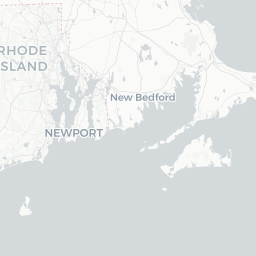
Newport sits at the southern tip of Aquidneck Island in Narragansett Bay, roughly 30 miles south of Providence. With a year-round population of around 24,000, it punches well above its weight as a destination, drawing visitors for its extraordinary concentration of historic architecture, a working waterfront, and a calendar packed with cultural events.
The city's layered history is unusually rich. Founded in 1639, it became one of colonial America's wealthiest ports and a hub of religious tolerance. In the 18th century it was home to the Touro Synagogue, the oldest surviving synagogue building in the United States. A century later, Gilded Age industrialists — Vanderbilts, Belmonts, and Astors — transformed the oceanfront cliffs into a showcase of extravagant summer 'cottages.' That architectural legacy remains largely intact and is the city's single biggest draw.
Newport also has deep roots in American sailing. It hosted the America's Cup races for decades and retains a vibrant yachting culture centered on its harbor. Music lovers know the city for the Newport Folk Festival and Newport Jazz Festival, both held in summer and both considered among the most historically significant music events in the United States.
Beyond the marquee attractions, Newport rewards slow exploration: cobblestone streets in the Point neighborhood, independent restaurants along Thames Street, and a cliff-hugging coastal walk that puts the Atlantic directly at your feet.
Before You Go
Visas and Entry
Newport is in the United States. Visa and entry requirements vary significantly by nationality. Check TravelerPulse's Visas section and the official U.S. Customs and Border Protection website (cbp.gov) for current requirements before booking.
Seasons and Crowds
Summer (mid-June through Labor Day) is peak season. Mansion tours sell out, parking is scarce, and accommodation prices reach their annual high. The Newport Folk Festival and Newport Jazz Festival — typically held in late July and early August respectively — compress demand further around those weekends. Book accommodation months in advance if your visit overlaps with either event.
Shoulder seasons offer a noticeably calmer experience. May, early June, and September–October still allow outdoor activities and most mansion tours at lower rates. Many restaurants and some attractions reduce hours or close entirely from November through April; verify before visiting in the off-season.
What to Pack
Newport's coastal location means wind is a constant, even on warm days. A light layer is useful year-round. Comfortable walking shoes matter — the Cliff Walk and the historic districts involve uneven brick and stone surfaces. If visiting for festival weekends, bring sun protection; outdoor venues offer limited shade.
Getting There
By Air
The closest major airport is T.F. Green International Airport (PVD) in Warwick, Rhode Island, approximately 30 miles north of Newport. Boston Logan International Airport (BOS) is roughly 80 miles to the north and offers more flight options, though the drive or bus connection adds travel time. Newport itself has no commercial air service.
By Car
Most visitors arrive by car. From Providence, take I-95 to Route 138 east, cross the Pell Bridge (Newport Bridge) over Narragansett Bay, and follow signs into town. The bridge crossing charges a toll; verify the current rate at the Rhode Island Turnpike and Bridge Authority website. Parking in downtown Newport during summer is genuinely challenging — garages fill early on weekends, and street parking is time-limited in many areas. Consider arriving early or using the park-and-ride options that operate seasonally.
By Bus
Peter Pan Bus Lines connects Newport to Providence, Boston, and other regional cities. Rhode Island Public Transit Authority (RIPTA) also operates bus routes between Providence and Newport. Verify current schedules and fares directly with each operator.
By Ferry
Seasonal ferry service connects Newport to Providence and other points around Narragansett Bay. Schedules and operators change; check Narragansett Bay Commission resources or locally operated ferry services for current options when planning your trip.
Getting Around
Newport's historic core is walkable. Thames Street, Bellevue Avenue, and the waterfront are all accessible on foot, and walking between them is practical for most visitors. That said, the mansions on Bellevue Avenue are spread over about a mile, and the full Cliff Walk runs 3.5 miles — a bicycle is useful for covering more ground.
RIPTA operates local bus routes within Newport and to neighboring communities on Aquidneck Island. A seasonal trolley service has historically circulated between the waterfront and the mansion district; confirm whether it is operating during your visit, as service details can change year to year.
Ride-share services (Uber, Lyft) operate in Newport. Taxis are available but less abundant than in larger cities. Bicycle rentals are available from shops in town — verify locally for current providers and rates.
Parking is the city's main logistical challenge in summer. If you are driving, identify your parking strategy before arrival rather than circling downtown.
Things to See & Do
The Mansions
The Newport Mansions, administered by the Preservation Society of Newport County, are the city's centerpiece attraction. Highlights include The Breakers (built for Cornelius Vanderbilt II), Marble House, Rosecliff, and The Elms, among others. Each property is distinct in architectural style and period of construction. Tickets are sold per mansion or as combination passes; purchase in advance online during peak season. Opening hours and seasonal availability vary — check the Preservation Society's official website (newportmansions.org) before visiting.
The Cliff Walk
This 3.5-mile National Recreation Trail hugs the coastline between the mansion district and the Atlantic Ocean. The northern section, from Memorial Boulevard to Ruggles Avenue, is paved and relatively easy. The southern section becomes rougher and requires more agility. The walk is free and publicly accessible; the combination of ocean views and mansion rear facades makes it one of the most scenic urban walks in New England.
Touro Synagogue
Designated a National Historic Site, Touro Synagogue (built 1763) is the oldest synagogue building in the United States and an architecturally significant example of colonial craftsmanship. Guided tours are available; verify current hours and admission details at tourosynagogue.org.
Sailing and the Waterfront
Newport Harbor is an active working harbor. The Museum of Yachting has had an evolving presence in the city — verify its current status locally. Several operators offer sailing charters, harbor tours, and whale-watching excursions from the waterfront; shop around when you arrive. The International Tennis Hall of Fame on Bellevue Avenue is housed in a historic Newport Casino building and is worth a visit for sports history enthusiasts.
Music Festivals
The Newport Folk Festival and Newport Jazz Festival are held at Fort Adams State Park, typically on successive weekends in late July and early August. Both are ticketed events that sell out well in advance. Check the official festival websites for dates, lineups, and ticket availability each year.
Historic Districts
The Point neighborhood, north of downtown, contains one of the largest concentrations of colonial-era wooden architecture in the United States. The Trinity Church (1726) on Queen Anne Square and the Colony House on Washington Square are among the most prominent landmarks in the downtown historic district.
Food & Drink
Newport's dining scene is driven by its coastal location and upscale tourism. Fresh seafood is the dominant thread — local clams (Rhode Island's stuffed quahog, called a 'stuffie,' is a regional specialty), lobster, oysters, and fish are widely available and generally of good quality along the waterfront and on Thames Street.
Thames Street and Broadway are the two main dining corridors. Thames Street tends toward tourist-facing establishments; Broadway, a short walk inland, has a more neighborhood-oriented mix that includes casual spots popular with year-round residents. Bellevue Avenue has higher-end options closer to the mansion district.
Rhode Island has its own distinctive culinary traditions worth seeking out beyond seafood. Coffee milk (the official state drink) and Del's Frozen Lemonade are local institutions. Rhode Island-style chowder is clear-broth rather than cream-based — different from the thick New England style many visitors expect.
The bar scene is concentrated on Thames Street and around the waterfront. Newport has a lively nightlife for a city its size, particularly in summer, though the volume drops sharply in the off-season. Reservations are strongly recommended at most sit-down restaurants during peak weekends.
Shopping
Newport's retail is concentrated on Thames Street and the adjacent Bowen's Wharf and Bannister's Wharf waterfront complexes. The waterfront areas lean toward nautical gifts, clothing, and tourist souvenirs. Thames Street has a broader mix including independent boutiques, antique shops, and specialty food stores.
Bellevue Avenue near the mansion district has some higher-end retailers. For practical everyday shopping, residents use commercial areas in neighboring Middletown, which has chain stores and supermarkets that Newport's compact downtown largely lacks.
Antiques are a genuine draw for some visitors — several dealers operate in Newport and the broader Aquidneck Island area. Quality and specialization vary; browsing is rewarded over rushing.
Practical Information
Emergency Services
In any emergency in the United States, dial 911. Newport Police Department, Newport Hospital (part of Lifespan health system), and other emergency services are reachable through that number.
Money
ATMs are readily available throughout the downtown area. Credit and debit cards are accepted almost universally. Tipping at restaurants follows U.S. conventions: 18–20% is standard for sit-down service.
Connectivity
Cell coverage is good throughout Newport. Public Wi-Fi is available at some cafes, the library, and select public areas. Most hotels and accommodations provide Wi-Fi.
Accessibility
The Cliff Walk's northern paved section is broadly accessible, but the southern rocky section is not suitable for mobility-limited visitors. The mansion interiors vary in accessibility; the Preservation Society provides accessibility information for individual properties on its website. Downtown sidewalks are often brick and uneven in the historic districts.
Useful Contacts
- Discover Newport (official tourism office): discovernewport.org
- Preservation Society of Newport County: newportmansions.org
- Rhode Island Division of Motor Vehicles and transit information: verify via ripta.com
Safety
Newport is generally a safe city for travelers. Violent crime rates are low relative to U.S. averages, and the tourist areas are well-trafficked and well-lit in season. As with any destination, standard precautions apply: be aware of your surroundings, secure valuables, and avoid leaving items visible in parked cars.
The rocky sections of the Cliff Walk carry a genuine physical hazard. Visitors have been injured on the southern portion, particularly in wet conditions. Appropriate footwear and caution are not optional — the terrain is uneven and can be slippery. Heed any closure signs, which are posted when sections are unsafe.
Ocean swimming at Newport's beaches carries rip current risk, as at any Atlantic coastal beach. Swim at beaches with lifeguard coverage when possible and observe posted flags and warnings. Water temperatures in the Atlantic off Newport are cold even in midsummer by many standards.
Local Culture & Etiquette
Newport's cultural identity is shaped by several overlapping histories that are worth understanding before you visit. The city's 17th-century founding emphasized religious tolerance in a period when that was unusual; Quakers, Jews, and Baptists all established significant communities here, leaving physical and institutional legacies that survive to the present.
The Gilded Age legacy is omnipresent in the physical landscape, but it is worth approaching the mansions as historical documents rather than just spectacle. They represent a specific and brief period of extraordinary private wealth concentration, and the Preservation Society's interpretation of the properties engages with that context.
Newport's African American history is deep and often under-discussed in standard tourism narratives. The city had a significant free Black community in the colonial period. The Newport NAACP chapter and local historians have worked to document and interpret this history more fully — the Newport Historical Society is a resource for visitors interested in this layer of the city's past.
The city's sailing culture is genuine rather than purely decorative. The New York Yacht Club long held the America's Cup in Newport, and the harbor community remains active. If you have any interest in maritime history, the working waterfront and its institutions offer substantive material beyond souvenir shops.