Translate
Overview
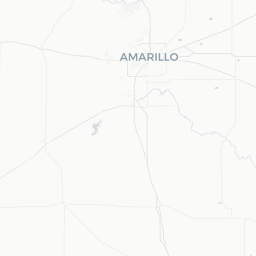
Amarillo is the largest city in the Texas Panhandle, sitting at roughly 3,600 feet elevation on the vast, windswept High Plains. With a population close to 200,000, it serves as the commercial and cultural hub for a wide stretch of the region. The city's identity is deeply tied to ranching, the cattle industry, and the open landscape that surrounds it on every side.
The city straddles the historic alignment of Route 66, which lends it a layer of mid-20th-century roadside Americana that travelers still seek out. Neon signs, vintage motels, and retro diners are part of the everyday streetscape, particularly along Sixth Street (historically known as San Jacinto) in the Midtown district.
Amarillo is also the gateway to Palo Duro Canyon State Park, a dramatically underrated natural landmark often called the "Grand Canyon of Texas." The canyon sits about 25 miles southeast of the city and offers an entirely different landscape from the flat plains above it. Between the public art, outdoor recreation, and genuine Texas hospitality, Amarillo rewards visitors who look past its industrial reputation.
Before You Go
Visas
Amarillo is a domestic US destination. International travelers should check TravelerPulse's Visas section and the US Customs and Border Protection website (cbp.gov) for current entry requirements.
Weather
The Texas Panhandle has a semi-arid continental climate with significant seasonal swings. Summers are hot, frequently exceeding 95°F (35°C), while winters can bring sharp cold snaps and occasional ice storms or blizzards. Spring and fall are the most comfortable seasons but can bring strong winds and, in spring, severe thunderstorm risk. Pack layers and check forecasts regardless of the season.
Health
No vaccinations are required for domestic travelers. The altitude (around 3,600 ft) is unlikely to cause altitude sickness but may be noticeable for some arriving from sea level. Sun protection is important year-round given the high elevation and clear skies.
Practical Preparation
- A car or truck is effectively necessary; Amarillo is spread out and not walkable between major attractions.
- Fuel is widely available and generally priced below the national average.
- Cell coverage is good within the city but can be patchy in Palo Duro Canyon and on remote ranch roads.
Getting There
By Air
Rick Husband Amarillo International Airport (AMA) is the city's commercial airport, located on the eastern edge of town. It offers nonstop service to several major hubs including Dallas/Fort Worth, Denver, and Phoenix, among others. Verify current routes and schedules directly with airlines or on the airport's official site, as service levels change.
By Road
Interstate 40 (the former Route 66 corridor) crosses Amarillo east–west and is the primary highway link. Interstate 27 runs south toward Lubbock. Amarillo is roughly 360 miles northwest of Dallas, 290 miles north of Midland, and 260 miles east of Albuquerque, New Mexico. Road trips are a popular way to arrive given the city's Route 66 context.
By Bus
Greyhound and other intercity bus services connect Amarillo to regional cities. Verify current schedules and terminal information directly with carriers before travel.
By Train
Amtrak does not currently serve Amarillo directly. The nearest Amtrak stations are in Albuquerque, NM, and Fort Worth, TX.
Getting Around
A personal vehicle is the most practical way to get around Amarillo. The city is large, attractions are spread across a wide area, and dedicated cycling infrastructure is limited outside of a few parks.
Citybus operates the local public transit network with several fixed routes across the city. It is functional for commuter travel but routes and schedules may not align well with tourist destinations. Verify current routes at the Citybus official site.
Rideshare services (Uber and Lyft) operate in Amarillo and are generally reliable within the city core. Availability can be limited late at night or in outlying areas. Rental car companies are represented at the airport and at several in-city locations.
Where to Stay
Amarillo has a broad range of accommodation options spread across the city. The highest concentration of hotels is around I-40, near the airport, and along the Coulter Drive and Bell Street corridors. National chain hotels (budget through mid-range) are widely represented and easy to find.
For travelers prioritizing atmosphere, a handful of boutique and historic properties operate in or near the Midtown area and along the Route 66 corridor. Some travelers also choose to stay in Canyon, Texas, to be closer to Palo Duro Canyon, where lodging options are smaller in scale.
Camping is available inside Palo Duro Canyon State Park for those who want an immersive experience in the canyon itself. Reservations through the Texas Parks and Wildlife reservation system are strongly advised, especially during spring and fall peak periods. Verify all accommodation details, availability, and current pricing directly with properties before booking.
Things to See & Do
Cadillac Ranch
Among the most photographed pieces of public art in the American West, Cadillac Ranch is a free outdoor installation on the western edge of the city where ten vintage Cadillacs are buried nose-first in a wheat field. Visitors are encouraged to bring spray paint and add to the ever-evolving layers of color. It is accessible daily and sits just off I-40. No admission fee; verify current access details locally.
Palo Duro Canyon State Park
Located about 25 miles southeast of Amarillo via Canyon, Texas, Palo Duro Canyon is the second-largest canyon in the United States. Its layered red and orange rock walls drop dramatically from the flat plains. Hiking, mountain biking, horseback riding, and camping are available. Entry fees and hours are set by Texas State Parks; check the official Texas Parks and Wildlife site (tpwd.texas.gov) for current information.
Route 66 and Historic Sixth Street
The Midtown district's Sixth Street corridor retains original Route 66 character: vintage storefronts, antique shops, independent restaurants, and bars in restored mid-century buildings. Walking or slow-driving the strip is a good half-day activity.
Amarillo Museum of Art
Located on the Amarillo College campus, the museum holds a collection focused on 20th-century American art and photography. Admission details should be verified directly with the museum.
Texas Air & Space Museum
Focused on the aviation history of the region and the broader US military air power legacy, this museum near the airport is worth a stop for aviation enthusiasts. Verify hours and admission locally.
Don Harrington Discovery Center
A science museum with interactive exhibits and a planetarium, suitable for families with children. Check the official site for current programming and hours.
Amarillo Botanical Gardens
A smaller but well-maintained public garden near Medical Center Park, offering a pleasant break from the flat urban landscape. Verify seasonal hours and admission before visiting.
Food & Drink
Steaks
Amarillo's proximity to the Texas cattle industry means beef is taken seriously here. The city is home to several long-established steakhouses known for large cuts and traditional preparations. The Big Texan Steak Ranch on I-40 is the city's most famous — and deliberately theatrical — dining destination, widely known for its free 72-ounce steak challenge. It is a tourist attraction in its own right, though locals have their own preferred steakhouses throughout the city.
Mexican Food
Reflecting the broader Texas Panhandle demographic, Mexican and Tex-Mex restaurants are plentiful and quality is generally high. Family-run taquerias and sit-down Tex-Mex spots are found throughout the city.
Barbecue
Texas barbecue culture is present in Amarillo, though the city is not as specifically associated with it as central Texas towns like Lockhart or Taylor. Several barbecue restaurants operate around the city; options worth seeking out are best identified through current local reviews.
Drinks and Nightlife
Historic Sixth Street has the highest concentration of bars, craft beer spots, and live music venues. Amarillo also has a small but growing local craft brewery scene. Note that Texas has specific alcohol sale regulations; verify locally for Sunday hours and any local restrictions.
- Water quality from the tap is generally safe; the local supply comes from the Ogallala Aquifer.
- Tipping at restaurants follows standard US conventions: 18–20% is typical for table service.
Shopping
Westgate Mall and Amarillo Town Center are the city's primary conventional shopping destinations, offering national retail chains. For more distinctive shopping, Historic Sixth Street is the better choice, with antique shops, vintage clothing, local art, and independent boutiques clustered along the old Route 66 alignment.
The area around Palo Duro Canyon in Canyon, Texas (a small city immediately south of Amarillo) also has craft and gift shops oriented toward park visitors. Farmers markets operate seasonally; verify current schedules through the city's official channels.
Practical Information
Emergency Services
- Emergency: 911
- Non-emergency police: verify the current number with the Amarillo Police Department's official site
- Major hospitals include BSA Health System and Northwest Texas Healthcare System; verify locations and services locally
Money
ATMs are widely available. Credit and debit cards are accepted nearly everywhere. Some smaller or rural establishments may be cash-preferred; carry some cash as a backup.
Electricity
Standard US power: 120V, 60Hz. Outlets are Type A and B. International visitors will need an adapter.
Communications
Area codes for Amarillo are 806. Cell service from all major US carriers is available in the city. Wi-Fi is offered at most hotels and many cafes.
Tipping
Tipping follows standard US norms: 18–20% at restaurants, $1–2 per drink at bars, and a few dollars per night for hotel housekeeping is appreciated but not mandated.
Time
Amarillo observes Central Standard Time (UTC−6) and Central Daylight Time (UTC−5) during daylight saving months.
Safety
Amarillo is a mid-sized American city with the range of conditions common to similar cities. Most tourist areas — Historic Sixth Street, Cadillac Ranch, museum districts — are low-risk environments during daylight and early evening hours.
As with any city, exercise standard awareness at night, particularly in unfamiliar neighborhoods. Keep valuables out of sight in parked vehicles, a common-sense precaution anywhere in the US.
Weather is a genuine safety consideration. The Texas Panhandle is within Tornado Alley, and spring storms can be severe. Know how to access weather alerts (the NOAA Weather app or local TV stations are reliable sources) and familiarize yourself with what to do in the event of a tornado warning if visiting in spring. High Plains wildfire risk can also be elevated during dry, windy periods in fall and winter.
Local Culture & Etiquette
Amarillo's culture is rooted in ranching, agriculture, and the self-reliant ethos of the High Plains. Residents are generally hospitable and direct. The region is politically conservative, and religious institutions play a prominent role in community life.
Country music, rodeo, and western heritage events are woven into the local calendar. The Tri-State Fair and Rodeo, held in late September, is one of the city's major annual events and draws participants from across the Panhandle region. Verify current scheduling and details directly with organizers.
Amarillo has a significant Hispanic community whose presence is visible in local food, culture, and community life. The city's demographics have diversified over time, and this is reflected in the variety of community events and businesses.