Translate
Overview
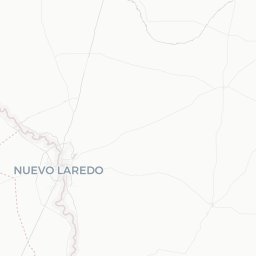
Laredo sits on the north bank of the Rio Grande in Webb County, directly across from Nuevo Laredo, Tamaulipas, Mexico. With a population of roughly 256,000, it is one of the largest US cities on the southern border and one of the busiest inland ports in the entire country by trade volume. The economy is dominated by international commerce, trucking, and logistics, which gives the city a distinct working character quite different from tourist-oriented Texas destinations.
The city's identity is deeply binational. Spanish is the primary language of everyday life, food, music, and commerce. Anglo, Mexican, and Tejano cultures have layered on top of one another for centuries, producing a community that feels genuinely distinct from both the Texas interior and the Mexican interior. Visitors should arrive with curiosity and a willingness to engage with that blend rather than expecting a conventional American city experience.
Laredo is not a major leisure tourism destination, but it rewards travelers interested in border history, binational trade culture, authentic Tex-Mex and northern Mexican food, and the straightforward rhythms of a large working city. It also serves as a practical gateway for travelers crossing into Nuevo Laredo or driving the border highway corridor.
Before You Go
Entry and Documentation
Laredo is a US city, so entry requirements are those of the United States. For visa and entry information, check TravelerPulse's Visas section and the official US Customs and Border Protection website (cbp.gov). If you plan to cross into Nuevo Laredo, Mexico, you will also need to meet Mexican entry requirements; verify these with Mexico's immigration authority (Instituto Nacional de Migración) before travel.
US citizens crossing into Mexico and returning need a valid US passport or passport card. Enhanced driver's licenses are accepted at land borders for US citizens in some circumstances — verify current rules before travel.
Health and Practical Prep
- Summer temperatures regularly exceed 100 °F (38 °C); pack lightweight, breathable clothing and sunscreen regardless of season.
- Carry sufficient water at all times, especially if you plan to spend time outdoors.
- If crossing into Mexico, familiarize yourself with current State Department travel advisories for Tamaulipas, available at travel.state.gov.
- Mexican auto insurance is required if you drive a vehicle into Mexico; US policies typically do not cover you south of the border.
Getting There
By Air
Laredo International Airport (LRD) is a small regional airport with limited scheduled service. Travelers coming from most US cities will connect through a hub such as Dallas/Fort Worth, Houston, or San Antonio. Verify current routes and airlines directly with the airport or your preferred booking platform, as service levels change.
By Road
Laredo is accessible via Interstate 35, which connects it northward to San Antonio (approximately 150 miles) and beyond. This is the most common way travelers arrive by car. Several international bridges connect Laredo to Nuevo Laredo; pedestrians, vehicles, and commercial trucks all use designated crossings. Expect wait times at the bridges to vary significantly depending on time of day and day of the week.
By Bus
Intercity bus services connect Laredo to San Antonio, Houston, and other Texas cities, as well as to cities in Mexico. Verify current operators, schedules, and terminals locally or on carrier websites before travel.
By Rail
Amtrak does not serve Laredo. There is no passenger rail option from within the US.
Getting Around
Most visitors find a personal or rental vehicle the most practical way to get around Laredo. The city is spread out, distances between points of interest can be significant, and the summer heat makes walking between distant locations uncomfortable.
El Metro (the city's public transit system) operates bus routes throughout Laredo. Service is primarily oriented toward local commuters rather than visitors, but routes do cover major corridors. Verify current routes and fares on the city's official transit resources.
Ride-hailing apps operate in Laredo. Taxis are available but less ubiquitous than in larger cities — confirm availability before relying on them. If you intend to cross into Nuevo Laredo on foot, some visitors park on the US side near a bridge and walk across, which can simplify the crossing process and avoid vehicle bridge queues.
Things to See & Do
History and Culture
- Republic of the Rio Grande Museum — Housed in a restored 1830s building in downtown Laredo, this small museum tells the story of the short-lived Republic of the Rio Grande (1840), a little-known episode of borderland history. Verify hours locally before visiting.
- San Agustín de Laredo Cathedral — A historic Catholic church on San Agustín Plaza in the heart of downtown. The plaza itself is a pleasant place to sit and observe daily city life.
- Fort McIntosh / Texas A&M International University campus — The historic fort grounds are now part of the TAMIU campus. The site has architectural remnants of the 19th-century military post and river views. Confirm public access arrangements with the university.
Outdoor and Natural
- Lake Casa Blanca International State Park — A state park east of the city center offering boating, fishing, swimming, hiking, and camping around a reservoir. A practical escape from the urban environment, especially in the cooler months. Verify current fees and conditions with Texas Parks and Wildlife.
- Rio Grande riverbanks — Several points along the river offer views into Mexico and a sense of the geography that defines the city. The international bridges themselves are landmarks worth observing.
Washington's Birthday Celebration
Laredo hosts one of the oldest and largest Washington's Birthday celebrations in the United States each February, a multi-week festival with parades, a colonial pageant, and border-crossing festivities that reflect the city's binational character. If your visit overlaps with this period, expect crowds and a festive atmosphere.
Food & Drink
Food is one of Laredo's genuine strengths for visitors. The city's cooking reflects northern Mexican culinary traditions — particularly those of Tamaulipas and Nuevo León — blended with Tex-Mex influences, and the overall standard of everyday Mexican and Tex-Mex food is high relative to much of the US.
What to Eat
- Cabrito (roasted young goat) — A regional specialty with deep roots in northern Mexico; several Laredo restaurants prepare it well.
- Carne asada — Grilled beef in the northern Mexican tradition, often served with flour tortillas made on-site.
- Pan dulce and tamales — Available at local bakeries and taquerías, especially on weekends.
- Menudo and pozole — Weekend staples at many local diners and restaurants.
The restaurant landscape is dominated by locally owned establishments rather than national chains, particularly in older neighborhoods and near the border. Exploring beyond the main commercial corridors will typically yield better food. Prices at local taquerías and diners are generally modest; verify current pricing at each establishment.
Alcohol is available at restaurants and bars. Note that Nuevo Laredo, just across the river, also has a lively restaurant scene that some visitors choose to combine with a day-crossing.
Shopping
Laredo is a significant shopping destination for visitors from both sides of the border, largely because of lower US sales taxes on certain goods relative to Mexico, and the concentration of major US retail chains.
Mall del Norte and La Plaza Mall are the two primary enclosed malls, each hosting a range of US and international retail brands. Verify current tenants and hours directly.
The area around the international bridges, particularly along Convent Avenue and San Bernardo Avenue, has a concentration of smaller shops selling clothing, electronics, and general merchandise. Bargaining is less common here than in traditional Mexican market settings, but the merchandise mix reflects border trade culture.
If crossing into Nuevo Laredo, the Zona Rosa (pink zone) near the Puente Internacional 1 has shops, pharmacies, and restaurants catering to US visitors. Be aware of US Customs duty-free allowances when bringing goods back; check current CBP guidelines before purchasing.
Practical Information
Money
ATMs are widely available throughout the city. Major credit and debit cards are accepted at most established businesses. If crossing into Mexico, it is useful to carry some Mexican pesos; exchange is available at banks and casas de cambio on both sides of the border. Compare rates before exchanging.
Communication
US mobile carriers provide standard coverage. If you cross into Mexico, roaming charges may apply depending on your plan — verify with your carrier before crossing.
Emergency Numbers
- US Emergency: 911
- In Mexico, the general emergency number is 911 as well, but confirm local numbers for Nuevo Laredo if needed.
Useful Contacts
- Laredo city information: verify current contact details at the City of Laredo official website.
- Webb County tourism resources: verify locally, as resources change.
Climate Summary
Laredo has a semi-arid climate with very hot summers and mild winters. Rain is infrequent but can come as intense short bursts. October through March is the most comfortable period for outdoor activity.
Safety
Laredo itself is a functioning US city with normal municipal services and law enforcement. As with any city, exercise standard urban awareness: be attentive to your surroundings, secure valuables, and avoid leaving items visible in parked vehicles.
Crossing into Nuevo Laredo requires separate consideration. Tamaulipas state has been subject to elevated US State Department travel advisories in recent years due to cartel-related violence. Travelers should check the current advisory level at travel.state.gov before any crossing and make an informed personal decision. Many residents cross routinely for family, commerce, and dining without incident, but the security situation is not static and visitors should not rely on outdated assessments.
If you do cross into Mexico, stay in well-trafficked areas, avoid nighttime crossings if unfamiliar with the area, keep a low profile, and have a clear plan for returning. Do not carry large amounts of cash or wear conspicuous jewelry.
The international bridges have US Customs and Border Protection officers on the US side and Mexican customs on the Mexican side. Follow all instructions from officers at both crossings.
Local Culture & Etiquette
Laredo's culture is the product of centuries of layered history — Spanish colonial settlement, Mexican national identity, the Texas Republic period, US annexation, and ongoing daily binational exchange. The result is a city where the border feels less like a hard line and more like a seam in a single, continuous social fabric.
Spanish is the dominant language in most daily contexts, and many residents move fluidly between Spanish and English throughout a single conversation. Visitors who speak some Spanish will find it genuinely useful and appreciated, though English is understood in business and commercial settings.
Family and community ties are central to social life. Religious observance, particularly Catholic traditions, shapes the calendar of local events and the rhythm of neighborhoods. Respectful, unhurried engagement with locals is generally well received.
The Washington's Birthday Celebration each February is the city's most prominent annual cultural event and reflects how Laredo has shaped its own distinctive identity — celebrating an American founding figure through a deeply Mexican-inflected festival tradition that involves both sides of the river.