Overview
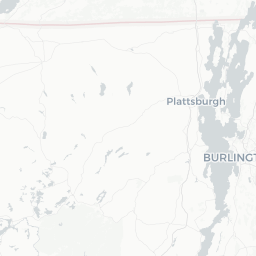
Burlington is Vermont's largest city, though by national standards it remains small and walkable, with a population of roughly 42,000. Sitting on the eastern shore of Lake Champlain with the Adirondack Mountains visible across the water and the Green Mountains rising to the east, it occupies an unusually scenic position for a New England city of its size.
The city is home to the University of Vermont (UVM), founded in 1791, which gives Burlington a year-round intellectual and cultural energy uncommon in cities this compact. The Church Street Marketplace pedestrian corridor forms the social and commercial heart of downtown, lined with locally owned restaurants, cafés, bookshops, and galleries.
Burlington has developed a reputation well beyond Vermont for its food culture, sustainability ethos, and livability. It regularly appears on lists of walkable and bikeable American cities, and its proximity to ski resorts, hiking trails, and the lake makes outdoor recreation central to daily life here.
Before You Go
Visas
Burlington is in the United States. Entry requirements depend on your nationality. Check TravelerPulse's Visas section and the U.S. Customs and Border Protection website (cbp.gov) for current requirements before booking.
Weather and seasons
- Summer (June–August): Warm and pleasant, highs typically in the mid-70s–low 80s°F (24–28°C). Peak season for the waterfront and festivals.
- Fall (September–October): Crisp temperatures and vivid foliage, particularly mid-September through mid-October. Popular and busy on weekends.
- Winter (November–March): Cold with significant snowfall. Temperatures regularly drop below freezing. Nearby ski areas are the main draw.
- Spring (April–May): Variable, often muddy in rural areas, but the city itself is quieter and prices are generally lower.
Packing notes
Layer clothing for any visit outside summer. Even summer evenings on the lake can be cool. Waterproof footwear is useful in spring and late fall.
Getting There
By air
Burlington International Airport (BTV) is located about 3 miles from downtown and handles direct flights to a number of U.S. hubs. Check current routes and schedules on the airport's official site or with your preferred airline, as service changes seasonally.
By train
Amtrak's Vermonter service connects Burlington's area to Washington D.C., New York City, and intermediate stops, though the nearest Amtrak station is in Essex Junction, a few miles from downtown Burlington. Verify current schedules at amtrak.com.
By bus
Intercity bus services including Greyhound and local/regional operators connect Burlington to Boston, Montreal, and other New England cities. Journey times and frequency vary; confirm current schedules with operators.
By car
Interstate 89 runs through the Burlington area, connecting south to Montpelier and Concord (NH), and north to the Canadian border near Champlain, New York. The drive from Boston typically takes around 3.5 hours; from Montreal roughly 2 hours, depending on traffic and border wait times.
Getting Around
Downtown Burlington is compact and very walkable. Most central attractions, restaurants, and the Church Street Marketplace are easily reached on foot from downtown hotels.
Green Mountain Transit (GMT) operates local bus routes throughout Burlington and the surrounding Chittenden County area. Fares and schedules are available at ridegmt.com. A free downtown shuttle operates seasonally — verify current availability on the GMT site.
Burlington has a dedicated bike network and is considered one of the more bike-friendly small cities in the U.S. Bike-share options have been available in the city; check locally for current providers and dock locations. The Burlington Bike Path runs along the Lake Champlain waterfront for roughly 9 miles and is a popular route for both residents and visitors.
Rideshare services (Uber, Lyft) operate in Burlington. Taxis are available but less prevalent than in larger cities. A rental car is useful if you plan day trips to ski areas, rural areas, or across the lake via ferry.
Things to See & Do
Waterfront and outdoors
- Lake Champlain Waterfront: The ECHO Leahy Center for Lake Champlain is a science and nature museum on the waterfront oriented around the lake's ecology. The adjacent Waterfront Park is a gathering spot in summer with views across to the Adirondacks.
- Burlington Bike Path: A paved multi-use trail along the lakeshore, accessible to cyclists, walkers, and joggers.
- Lake Champlain Ferry: Lake Champlain Transportation Company operates seasonal ferry crossings to Port Kent, New York. A scenic way to see the lake and reach the Adirondacks. Verify schedules and routes at ferries.com.
- Hiking: Camel's Hump and Mount Mansfield (Vermont's highest peak) are within reasonable driving distance and offer well-regarded trails.
Arts and culture
- Flynn Center for the Performing Arts: Burlington's primary venue for theater, dance, and music, hosting both local and touring productions.
- Burlington City Arts (BCA): Operates gallery spaces and public art programs downtown.
- Church Street Marketplace: A four-block pedestrian mall that functions as the social center of the city, with street performers, markets, and events throughout warmer months.
- University of Vermont campus: The UVM campus includes the Fleming Museum of Art, a free or low-admission museum with a permanent collection and rotating exhibitions. Verify current hours and admission on the museum's website.
Day trips and ski areas
Stowe Mountain Resort and Sugarbush are among the major ski areas within roughly an hour's drive. Mad River Glen is another well-regarded option for more experienced skiers.
Food & Drink
Burlington has a food scene that punches well above its size. Vermont's strong agricultural tradition translates into a genuine farm-to-table culture here, with many restaurants maintaining direct relationships with local farms, dairies, and producers. The Church Street area and adjacent blocks contain a dense concentration of options ranging from casual cafés to more formal dining.
Things to look for
- Vermont cheese: The state is one of the leading cheese-producing regions in the U.S. per capita. Many restaurants feature local cheeses, and specialty food shops carry a wide selection.
- Craft beer: Burlington and the surrounding area have a high density of craft breweries. The Vermont Brewers Association website lists current members and locations if you want to plan a tasting itinerary.
- Maple products: Vermont produces a significant portion of the U.S. maple syrup supply. Locally made maple syrup, maple butter, and maple candy are widely available.
- Hen of the Wood, Leunig's Bistro, Misery Loves Co., American Flatbread: These are among the locally recognized dining establishments in Burlington, though hours, menus, and operations change — verify current status before visiting.
The South End arts district, reachable on foot from downtown, has seen growth in independent food and drink businesses in recent years and is worth exploring.
Shopping
Shopping in Burlington centers on Church Street Marketplace and the surrounding downtown blocks, with an emphasis on independent and locally owned businesses. You will find independent bookstores, Vermont-made goods, outdoor gear retailers, and artisan food shops alongside national retailers.
The South End of the city, particularly around Pine Street, has a cluster of studios, galleries, and design-oriented shops associated with the arts district. The Burlington Farmers Market, held seasonally (typically Saturday mornings — verify current schedule and location at burlingtonfarmersmarket.org), is a good place to find locally grown produce, artisan foods, and crafts.
For outdoor gear, Burlington's position near ski areas and hiking terrain means there are several well-stocked outdoor retailers in the area.
Practical Information
Emergency services
In any emergency in the United States, call 911 for police, fire, or medical assistance.
Health
No vaccinations are required to visit Burlington. The city has standard U.S. medical facilities including the University of Vermont Medical Center, a regional hospital. Travel insurance with medical coverage is advisable for international visitors, as U.S. healthcare costs can be high without insurance.
Connectivity
Free public Wi-Fi is available in some public areas downtown. Mobile coverage from major U.S. carriers is generally good in the city; rural and mountain areas may have gaps.
Money
Credit and debit cards are accepted almost universally. ATMs are widely available downtown and at the airport. Tipping is standard in restaurants (typically 18–20%) and for other service workers.
Accessibility
Church Street Marketplace is pedestrian-only and largely flat. The waterfront path is paved. For specific accessibility needs, contact venues and transportation providers directly in advance.
Safety
Burlington is generally considered a safe city by U.S. standards. Normal urban precautions apply — be aware of your surroundings, secure valuables, and avoid leaving items visible in parked cars.
Winter driving in Vermont requires care. Snow and ice are common from November through March, and mountain roads can become hazardous quickly. If renting a car for ski area day trips, ensure you are comfortable driving in winter conditions and that the vehicle has appropriate tires. Check road conditions through the Vermont Agency of Transportation (511.vermont.gov or dial 511 within Vermont).
Outdoor recreation safety: if hiking or engaging in backcountry activities, check weather forecasts, inform someone of your plans, and carry appropriate gear. Mountain weather can change rapidly even in summer.