Translate


Overview
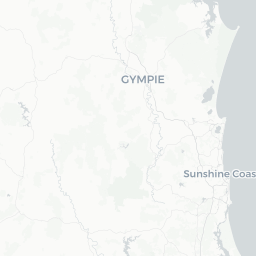
The Sunshine Coast stretches roughly 60 kilometres along the southeastern Queensland coast, from Bribie Island in the south to Rainbow Beach in the north. With a population approaching 400,000, it is one of Australia's fastest-growing regional cities, yet it has largely retained the unhurried beach-town atmosphere that draws visitors away from Brisbane.
The region divides naturally into two distinct landscapes: the coastal strip — anchored by suburbs such as Maroochydore (the main commercial centre), Mooloolaba, Caloundra, and Noosa Heads — and the hinterland, which rises quickly into the Blackall Range and contains small towns like Montville, Maleny, and Eumundi. Each offers a markedly different experience, and combining both makes for a well-rounded trip.
Noosa Heads, at the northern end of the coast, functions almost as a separate destination in its own right: it sits adjacent to Noosa National Park, has a distinct dining and shopping strip along Hastings Street, and attracts a discerning crowd. The Glass House Mountains, a cluster of dramatic volcanic plugs visible from much of the coastal plain, lie toward the southern edge of the region and are worth at least a half-day.
Before You Go
Visas
Australia requires most foreign nationals to hold a valid visa before arrival. Requirements vary significantly by nationality. Check TravelerPulse's Visas section for general guidance, then verify your specific requirements with the Australian Department of Home Affairs (homeaffairs.gov.au) or your nearest Australian embassy or consulate well before travel.
Health
No specific vaccinations are required to enter Australia, though routine immunisations should be up to date. Tap water is safe to drink throughout the Sunshine Coast. Sun protection is essential year-round — UV levels in Queensland regularly reach extreme on the UV index, even on overcast days. Pack SPF 50+ sunscreen, a hat, and UV-protective swimwear if you plan to spend time on the water.
Money
ATMs are widely available in Maroochydore, Mooloolaba, Caloundra, and Noosa Heads. Card payments (including tap-to-pay) are accepted almost universally, though some markets and very small operators prefer cash. Tipping is not customary in Australia but is appreciated for exceptional service.
Connectivity
Mobile coverage from the major Australian carriers (Telstra, Optus, Vodafone) is generally good along the coast and in major hinterland towns; coverage can be patchy on bush tracks and in deeper hinterland areas. Free public Wi-Fi is available in some town centres — verify locally for current coverage.
Getting There
By Air
Sunshine Coast Airport (MCY) is located at Marcoola, roughly 10 kilometres north of Maroochydore. It receives direct domestic flights from several Australian cities including Sydney, Melbourne, and Adelaide; check current routes with airlines directly as schedules change seasonally. International connections typically require a transit through Brisbane or Sydney.
Brisbane Airport (BNE) is an alternative entry point, approximately 100 kilometres south. From Brisbane Airport, the Sunshine Coast is reachable by coach (operators run scheduled services — verify timetables and booking directly with providers), hire car, or taxi/rideshare. Allow roughly 90 minutes to two hours depending on traffic and your destination on the coast.
By Road
From Brisbane, the Bruce Highway (M1) is the primary road link northward to the Sunshine Coast. The journey is straightforward, though traffic can be heavy on Friday afternoons and Sunday evenings. GPS navigation is reliable throughout the region.
By Coach
Greyhound and several regional operators run scheduled coach services connecting Brisbane and major Sunshine Coast centres. Verify current routes, schedules, and fares directly with operators before travel.
Getting Around
A hire car gives the most flexibility, particularly for reaching hinterland towns, national parks, and beaches that are spread across a large area. Most major hire car companies operate from Sunshine Coast Airport and some locations in Maroochydore and Noosa.
Sunbus operates the local bus network across the Sunshine Coast, connecting coastal suburbs and some hinterland towns. Frequency and coverage vary significantly by route; check Translink (translink.com.au) for current timetables and fares. The go card contactless payment system works on Sunbus services.
Rideshare apps (Uber and others) operate in the region, and taxis are available. Within Noosa Heads, many visitors find the compact Hastings Street precinct and access to Noosa National Park walkable. Cycling infrastructure exists along some sections of the coast, including a shared path network in the Mooloolaba–Alexandra Headland area — verify current routes with the council or locally.
Things to See & Do
Beaches
The Sunshine Coast has an almost unbroken chain of sandy surf beaches. Mooloolaba and Alexandra Headland are patrolled and popular with families and swimmers. Coolum Beach and Peregian Beach tend to be quieter. Noosa Main Beach faces north and is typically calmer than south-facing beaches — it is suitable for less confident swimmers. All patrolled beaches are monitored by volunteer and professional surf lifesavers during patrol hours; always swim between the flags.
Noosa National Park
Just a short walk from Hastings Street, Noosa National Park covers more than 4,000 hectares of coastal heath and eucalypt forest. The coastal walking track to Hell's Gates and Granite Bay offers excellent ocean views and a good chance of spotting koalas in the trees. The park is free to enter; verify current access conditions with Queensland National Parks.
Glass House Mountains
The Glass House Mountains are a group of volcanic plugs rising abruptly from the coastal plain, named by James Cook in 1770. Several peaks have marked walking tracks of varying difficulty; Mount Ngungun is popular for its accessible summit views. The area holds deep cultural significance for the Jinibara and Kabi Kabi peoples. Check Queensland National Parks for current track conditions and any closures before visiting.
Hinterland Towns
Montville and Maleny sit on the Blackall Range escarpment with views across to the Glass House Mountains and coast. Both towns have galleries, craft shops, and cafés. Eumundi is known for its long-running Wednesday and Saturday markets, which draw local producers selling food, art, and handmade goods — arrive early for the best experience.
Water Activities
Mooloolaba and Noosa are bases for surfing lessons, stand-up paddleboarding, kayaking, and snorkelling. Whale watching cruises operate seasonally (generally June to November) when humpback whales migrate along the Queensland coast — verify current operators and season windows locally. The Pumicestone Passage between Bribie Island and Caloundra is popular for calm-water kayaking.
Food & Drink
The Sunshine Coast has a well-developed food scene that leans heavily on local produce — the hinterland is genuinely productive farming country, and proximity to the ocean means seafood is fresh and plentiful. Ginger is grown commercially in the region and appears frequently on local menus.
Noosa Heads
Hastings Street and the surrounding streets in Noosa Heads have the highest concentration of restaurants, from casual beachside cafés to more considered dining. The area draws good chefs, and the standard is generally high. Reservations are advisable at popular venues, especially during school holidays and long weekends.
Mooloolaba
The Mooloolaba Esplanade and the Wharf precinct have a strong cluster of casual seafood restaurants and fish-and-chip shops. Buying fresh cooked prawns from a fishmonger and eating them at a picnic table near the water is a classic local experience.
Markets and Producers
The Eumundi Markets and various farmers' markets across the region (verify current days and locations locally) are good places to buy local fruit, honey, cheese, and small-batch products. The region produces macadamia nuts commercially — you will find them in various forms at farm shops along the hinterland roads.
Eating Practicalities
Most venues in the region are licensed to serve alcohol. Queenslanders generally eat dinner earlier than visitors from some other countries expect — kitchens in casual venues may stop taking orders by 8:30–9 pm outside of peak season. Confirming last-orders time when booking avoids disappointment.
Practical Information
Emergency Services
In any emergency in Australia, call 000 for police, ambulance, or fire services. This number operates 24 hours and is free from any phone.
Medical Care
Sunshine Coast University Hospital in Birtinya is the main public hospital for the region. Private medical clinics and GPs are available in most coastal centres. Travel insurance that includes medical cover is strongly recommended for international visitors, as out-of-pocket costs for hospital treatment without reciprocal Medicare access can be significant. Australia has reciprocal healthcare agreements with a limited number of countries — check your eligibility before travel.
Pharmacies and Essentials
Chain pharmacies (Chemist Warehouse, Priceline, Terry White) are found in major shopping centres and town centres. Many are open seven days a week; verify specific hours locally.
Internet and Phone
Australia uses the Type I (three-pin angled) power socket at 230V/50Hz. International visitors will likely need an adaptor. If bringing a phone from outside Australia, confirm it supports the local LTE bands for reliable 4G/5G connectivity — verify with your handset manufacturer or carrier.
Safety
The Sunshine Coast is generally a safe destination with low levels of violent crime. Standard precautions apply: do not leave valuables visible in hire cars, be aware of your surroundings at night around licensed venues, and keep copies of important documents separate from originals.
Ocean Safety
Rip currents are the primary hazard on ocean beaches. Always swim at a patrolled beach between the red-and-yellow flags, which are positioned by lifesavers to indicate the safest area. If caught in a rip, do not exhaust yourself fighting it — float, signal for help, and swim parallel to the shore once the rip weakens. Surf conditions change quickly; check local surf reports if planning to surf unfamiliar breaks.
Wildlife
Queensland has venomous snakes and spiders. Encounters in populated beach areas are infrequent but possible in bushland and hinterland walking tracks. Stay on marked paths, check before sitting on logs or rocks, and shake out footwear left outside overnight. Bluebottle jellyfish (Portuguese man o' war) wash up on beaches periodically, especially after northeasterly winds — do not handle them even when beached. Marine stinger nets are not routinely deployed on most Sunshine Coast beaches; check locally for current conditions. Saltwater crocodiles are not found in the coastal waters of the Sunshine Coast but are present north of around Noosa in some waterways — this increases significantly further north in Queensland.
Sun
Heat-related illness is a genuine risk, particularly for visitors unaccustomed to Queensland summer conditions. Stay hydrated, seek shade during the hottest part of the day (generally 10 am–3 pm), and monitor children and elderly companions closely.
Local Culture & Etiquette
The Sunshine Coast sits within the traditional Country of the Kabi Kabi (also spelled Gubbi Gubbi) people, who have lived in this region for tens of thousands of years. The Jinibara people are the traditional custodians of the hinterland areas around the Glass House Mountains. Many natural features carry significant cultural meaning; visitors are encouraged to approach Country respectfully, stay on marked tracks in protected areas, and take the time to learn something of the local history before or during their visit.
The broader cultural character of the Sunshine Coast is relaxed and outdoors-oriented. Dress codes are informal throughout most of the region — swimwear and board shorts are standard daywear near the beach, though more upmarket restaurants in Noosa may have a slightly smarter-casual clientele in the evenings. The region has a notable arts community, with galleries, live music, and the annual Horizon Festival (a regional arts event — verify current dates and programming) contributing to the cultural calendar.