Translate
Overview
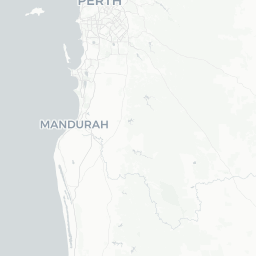
Busselton sits on the sheltered shores of Geographe Bay, roughly 220 km south of Perth in Western Australia's Southwest region. With a population of around 27,000, it is a genuine regional town rather than a tourist village — locals shop, work, and go to school here, which gives it an unhurried authenticity that many coastal destinations lack.
The town's defining landmark is the Busselton Jetty, a 1.84 km timber structure stretching into the bay that is recognised as the longest timber-piled jetty in the Southern Hemisphere. Beyond the jetty, the region is known for calm, clear waters suited to snorkelling and diving, a laid-back foreshore precinct, and easy access to some of Australia's best-regarded wine country to the south.
Busselton functions well as both a destination in its own right and as a practical base for exploring the broader Margaret River and Geographe Bay region. Visitors range from Perth families on weekend escapes to international travellers working their way down the Southwest coast.
Before You Go
Visas
Australia requires most foreign nationals to hold a valid visa before arrival. Requirements vary significantly by passport. Check TravelerPulse's Visas section for general guidance and verify your specific requirements through the Australian Department of Home Affairs (immi.homeaffairs.gov.au).
Climate
Busselton has a Mediterranean-style climate: hot, dry summers (December–February) with temperatures regularly exceeding 30 °C, and mild, wetter winters (June–August). Spring and autumn offer comfortable shoulder-season conditions with fewer crowds. Bushfire risk in the broader Southwest region is highest in summer — monitor alerts through the Department of Fire and Emergency Services WA if visiting then.
What to pack
- Sun protection is essential year-round: high-SPF sunscreen, a hat, and UV-rated sunglasses
- A light layer for evenings, even in summer — sea breezes can cool quickly after dark
- Reef-safe sunscreen if you plan to snorkel around the jetty
- A valid driver's licence if you intend to hire a car, which is strongly recommended
Getting There
By Air
Busselton Margaret River Airport (BQB) offers scheduled regional services. Check current operators and routes directly with the airport or booking platforms, as services change seasonally. Perth Airport (PER) remains the main international gateway for the region; the drive from Perth to Busselton takes approximately 2.5 to 3 hours via the Forrest Highway (Highway 1).
By Road
Driving is the most practical way to reach and explore Busselton. From Perth, the route south via the Kwinana and Forrest highways is straightforward. Car hire is available at Perth Airport and in Perth city; verify locally whether hire vehicles are available in Busselton itself.
By Coach
TransWA and some private coach operators run services between Perth and Busselton. Journey times and schedules vary — check directly with operators before travel as timetables change.
By Rail
There is no direct passenger rail service to Busselton.
Getting Around
A private vehicle is the most convenient way to get around Busselton and to reach surrounding attractions, wineries, and beaches. The town centre, foreshore, and jetty are compact enough to walk between, and cycling is a practical option along the foreshore path.
Local bus services operate within the Busselton area; verify current routes and timetables through the Transwa or South West Coach Lines websites, or check locally on arrival. Ride-share availability is more limited than in metropolitan areas — do not rely on it as your sole transport option.
For day trips to Margaret River, Cape Naturaliste, or Dunsborough, your own vehicle or a guided tour is the realistic option for most travellers.
Where to Stay
Accommodation in Busselton spans holiday apartments, caravan and holiday parks, motels, and bed-and-breakfast style guesthouses. Self-contained holiday homes and apartments are popular with families and groups, and a large number are available through short-term rental platforms.
Booking well ahead is important for the summer school holiday period (late December through January) and public holiday long weekends, when the town fills with Perth visitors. Shoulder seasons offer more availability and quieter conditions.
Verify accommodation options, current pricing, and availability through standard booking platforms or the Busselton Margaret River Tourism Association (geographebay.com).
Things to See & Do
Busselton Jetty
The jetty is the centrepiece of any visit. Walking its full 1.84 km length and back is free and suitable for most fitness levels. At the end sits an underwater observatory — a cylindrical chamber descending below the surface to view the reef and marine life that has colonised the jetty's piles over more than a century. A small train also runs the length of the jetty. Admission fees and operating hours apply; verify current details at busseltonjetty.com.au.
Snorkelling and Diving
Geographe Bay's calm, clear waters and the jetty's biologically rich reef make for accessible snorkelling and recreational diving. Local dive operators offer guided dives and gear hire — verify availability and book ahead in peak season.
Cape Naturaliste and the Capes Region
The lighthouse at Cape Naturaliste, about 20 km northwest, offers guided tours and panoramic views across the Indian Ocean. The cape sits at the northern end of the Cape to Cape Track, a well-regarded multi-day coastal walking route. Verify tour times and lighthouse access at the site or through Parks and Wildlife Service WA.
Beaches and Water Activities
The bay's sheltered conditions suit paddleboarding, kayaking, and swimming. Meelup Beach and Eagle Bay, north of Busselton near Dunsborough, are consistently rated among the region's finest beaches.
Geographe Bay Wine Region
While Margaret River gets most of the headlines, the Geographe wine region has its own producers worth visiting. A number of cellar doors operate within comfortable driving distance of the town centre — verify opening hours before visiting as many are seasonal or appointment-only.
Food & Drink
Busselton's dining scene is centred on the foreshore and Queen Street, the main commercial strip. Options range from casual fish and chips to sit-down restaurants with Southwest produce on the menu. Seafood, local wines, and Margaret River cheeses and olive oils appear regularly.
The town has supermarkets, bakeries, and cafés serving day-to-day needs. For a broader restaurant scene, Dunsborough (roughly 20 km north) and the Margaret River township (about 50 km south) offer additional choices.
A number of cellar doors in the immediate Geographe region pair tastings with platters or lunches — these tend to require advance bookings, particularly on weekends and in summer. Confirm reservations directly with individual venues.
Practical Information
Money
Busselton has ATMs and EFTPOS is widely accepted. Card payment is standard at most businesses; carrying some cash for smaller purchases or markets is still practical.
Connectivity
Mobile coverage from major Australian carriers is generally reliable in town. Coverage can become patchy in more rural or coastal areas outside the township — download offline maps before heading into the Capes region.
Emergency Services
In any emergency in Australia, call 000 for police, fire, or ambulance. The Busselton Health Campus provides local hospital and emergency department services; verify the current address and contact details locally before you need them.
Useful Resources
- Geographe Bay Tourism: geographebay.com
- Busselton Jetty: busseltonjetty.com.au
- Parks and Wildlife Service WA: parks.dpaw.wa.gov.au
- DFES bushfire alerts: emergency.wa.gov.au
Safety
Busselton is a low-risk destination by most measures. General travel common sense applies: secure valuables in vehicles, be aware of your surroundings, and observe any posted beach safety signage.
Ocean swimming: while Geographe Bay is calm, rips and currents can still occur. Swim between the flags at patrolled beaches where available, and check with locals or surf lifesaving authorities about conditions at unpatrolled spots.
Bushfire risk is real in summer. Before entering bushland or national park areas during the fire season, check the DFES emergency alerts website (emergency.wa.gov.au) and have a plan. Heatwave conditions also occur — stay hydrated, limit sun exposure during peak afternoon hours, and check on vulnerable travelling companions.
Sun exposure in Western Australia is intense. UV levels can be extreme even on overcast days. Use SPF 50+ sunscreen, reapply regularly, and seek shade during the middle of the day.