Overview
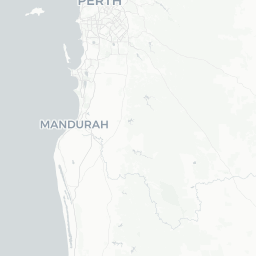
Margaret River is a small town of roughly 7,500 people situated about 270 km south of Perth in Western Australia's South West region. Despite its modest size, it punches well above its weight as one of Australia's most celebrated wine and food destinations, home to more than 200 wineries and cellar doors concentrated across the Cape to Cape coastline.
The region takes its name from the Margaret River, which runs from the forested hills east of town out to the Indian Ocean near the settlement of Prevelly. The surrounding landscape shifts dramatically across short distances — from rolling vineyard country to rugged surf beaches, and from ancient limestone cave systems to towering karri and jarrah forests.
The town itself serves as a practical hub with supermarkets, pharmacies, cafes, and accommodation options at various price points. Most of the wineries, beaches, and natural attractions are spread along the Cape Mentelle Road, Caves Road, and Bussell Highway corridors, so having your own vehicle is essential for making the most of the region.
Before You Go
Visas
Australia requires most international visitors to hold a valid visa or travel authority before arrival. Requirements vary significantly by nationality. Check TravelerPulse's Visas section for general guidance, and verify your specific requirements with the Australian Department of Home Affairs (homeaffairs.gov.au) well in advance of travel.
Health
No vaccinations are specifically required to visit Western Australia. Standard travel health precautions apply. Sun protection is essential year-round — UV levels in southern WA are high even on overcast days. Carry sunscreen, a hat, and water, particularly when hiking or spending time at the beach.
What to Pack
- Layers: mornings and evenings can be cool even in summer
- Sturdy walking shoes for cave tours and forest trails
- Reef-safe sunscreen and a wide-brim hat
- A reusable water bottle — tap water is safe to drink
- A designated driver plan if you intend to visit multiple cellar doors
Practical Notes
Margaret River has reliable mobile coverage from major Australian carriers in and around the town centre, though coverage can drop in forested and coastal fringe areas. Most businesses accept card payments; ATMs are available in town.
Getting There
By Air
The nearest commercial airport is Busselton Margaret River Airport (BQB), located approximately 35 km north of the town near Busselton. It handles regional flights connecting to Perth. Perth Airport (PER) is the major international gateway, roughly 270 km north of Margaret River, and offers far more flight options including international services. Verify current routes and schedules directly with airlines, as regional services change frequently.
By Road from Perth
Driving is the most practical way to reach Margaret River. The standard route via the Kwinana Freeway and Bussell Highway (Route 10) takes approximately 2.5 to 3 hours depending on traffic and the exact starting point in Perth. The alternative Forrest Highway route is marginally faster on the northern stretch. Car hire is available at Perth Airport from major rental companies.
By Bus
Transwa, the state government's regional coach service, operates scheduled services between Perth and Busselton, with connections available onward to Margaret River. Journey times are considerably longer than driving. Check current timetables and booking details at transwa.wa.gov.au.
Getting Around
A private vehicle — either your own or a hire car — is effectively essential for visiting the Margaret River region. The wineries, caves, beaches, and forest trails are spread across a broad rural area with no meaningful public transport network connecting them.
Several local operators offer guided wine and food tours departing from Margaret River town and from Perth, which is a practical option for groups who want to visit cellar doors without a designated driver. Verify current operators and pricing locally or through the Margaret River Busselton Tourism Association website (margaretriver.com).
The town centre itself is compact and walkable. A handful of local taxis and rideshare options exist but availability is limited, particularly outside peak hours. Cycling is popular on some dedicated trails but is not a realistic way to cover the full region given distances involved.
Where to Stay
Accommodation in Margaret River ranges from caravan parks and holiday apartments to boutique guesthouses and upmarket eco-retreats set among the vines or forest. The town centre has several motel-style and serviced apartment options convenient for those without a car, though the most atmospheric stays tend to be on rural properties outside town.
Demand is high during summer school holidays (December–January), Easter, and major events such as the Margaret River Pro surf competition. Booking well in advance — often months ahead — is advisable for these periods. Shoulder seasons offer better availability and often more comfortable weather.
Search current availability through standard accommodation platforms or through the Margaret River Busselton Tourism Association website, which lists a range of local options. Verify all pricing, cancellation policies, and inclusions directly with properties before confirming.
Things to See & Do
Cellar Doors and Wine
The Margaret River wine region is most closely associated with Cabernet Sauvignon and Chardonnay, though it also produces Semillon Sauvignon Blanc blends, Shiraz, and others. More than 200 producers operate across the region, ranging from large estates with restaurant facilities to small boutique operations. Many cellar doors charge a tasting fee that may be refunded on purchase — verify each venue's current policy on arrival.
Limestone Caves
The region contains an extensive limestone cave system beneath Leeuwin-Naturaliste National Park. Jewel Cave (near Augusta), Lake Cave, Mammoth Cave, and Ngilgi Cave (near Yallingup) are the four publicly accessible commercial caves, each with distinct formations and tour formats. Tours are ticketed and must be booked — check the Augusta-Margaret River Shire or CaveWorks website for current availability and pricing.
Surfing and Beaches
The coastline around Margaret River is internationally regarded for surfing. Main Break and Surfers Point near Prevelly host professional competitions and suit experienced surfers. The beaches at Gnarabup, Redgate, and Hamelin Bay (known for stingray encounters at certain times of year) offer calmer conditions and are more suitable for swimming and snorkelling, though always check local conditions and surf reports before entering the water.
Forests and Walking
Leeuwin-Naturaliste National Park spans much of the coastal strip and contains numerous walking trails through jarrah and tuart woodland, as well as the multi-day Cape to Cape Track (135 km) which runs from Cape Naturaliste in the north to Cape Leeuwin in the south. Day sections of the Cape to Cape are accessible to casual walkers.
Artisan Food Producers
Beyond wine, the region supports cheesemakers, chocolate producers, olive growers, breweries, and providores. The weekly Margaret River Farmers Market (Saturday mornings, verify current times locally) is a practical starting point for finding local produce.
Food & Drink
The Margaret River region has developed a strong food culture that extends well beyond its wine reputation. Many larger wineries operate on-site restaurants making use of local produce, and a number of these have earned consistent recognition in national dining guides. Booking ahead for winery restaurants is strongly advised, particularly on weekends and during peak summer and Easter periods.
The town of Margaret River itself has a walkable main street with cafes, casual restaurants, a brewery, and specialty food shops. Regional produce — including locally caught seafood, grass-fed beef and lamb, marron (freshwater crayfish), and stone fruits — appears regularly on menus across the region.
A growing craft beer scene adds to the options for non-wine drinkers. Several craft breweries operate in the region, some with large family-friendly venues. Designated driver arrangements are common and widely understood; most venues offer non-alcoholic options and water without charge.
Practical Information
Emergency Services
Australia's national emergency number is 000 (police, fire, ambulance). The non-emergency police number is 131 444. The nearest hospital with emergency services is Busselton Health Campus, approximately 35 km north of Margaret River town — verify current capabilities locally.
Money
Australia has no currency import restrictions for amounts under AUD 10,000 (verify current threshold with the Australian Border Force). Card payments (Visa, Mastercard, eftpos) are universally accepted. ATMs are available in Margaret River town centre.
Opening Hours
Business hours vary. Cellar doors commonly operate seven days a week, particularly in peak season, but many reduce hours or close on certain days in winter. Always check ahead, especially for smaller boutique producers.
Connectivity
Free public Wi-Fi is available in some parts of Margaret River town. Australian SIM cards (from Telstra, Optus, or Vodafone) can be purchased at Perth Airport or in the town, and a local prepaid SIM is often the most cost-effective option for international visitors needing data during an extended stay.
Environmental Considerations
The region contains sensitive ecosystems including ancient caves, native bushland, and coastline. Follow all signage regarding track closures, cave rules, and beach access. Phytophthora cinnamomi (dieback disease) is a serious threat to native plants in the south-west; brush-cleaning stations are provided at many trailheads — use them.
Safety
Margaret River is generally a safe destination. Standard personal safety precautions apply as they would anywhere.
Ocean safety is the most significant practical risk for visitors. The surf coastline can produce powerful, unpredictable waves and rip currents. Swim only at patrolled beaches during patrol hours where possible, and always read posted warning signs. The surf breaks popular with experienced surfers are not suitable for casual swimmers.
Bushfire awareness is essential if visiting between November and April. Western Australia experiences significant bushfire risk in summer. Monitor the Department of Fire and Emergency Services (DFES) website (emergency.wa.gov.au) and the FireWatch portal for current conditions. Know your evacuation route if staying in bushland accommodation.
Wildlife in the region includes dugites (a venomous snake common in the south-west) and tiger snakes. These are generally not aggressive but should never be approached or handled. Seek immediate medical attention if bitten. When walking in scrub, wear closed shoes and watch where you step.