Overview
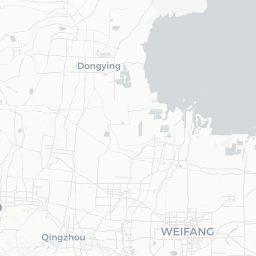
Zhoucun is a district-level city within the prefecture-level city of Zibo in central Shandong Province. Despite its modest population, it carries an outsized historical reputation as one of northern China's most important commercial hubs during the Ming and Qing dynasties, sometimes called the 'Dry Harbor' (旱码头, Hàn Mǎtóu) because it functioned as an inland trading port for silk, cotton, and other goods moving across the North China Plain.
The city's most distinctive asset is its Ancient Commercial Street (古商城, Gǔ Shāngchéng), a partially preserved complex of traditional merchant architecture that offers a tangible window into late imperial Chinese trade culture. Unlike many reconstructed historic districts elsewhere in China, portions of Zhoucun's old town retain original Qing-period structures.
Zhoucun is not a mainstream international tourist destination, which is itself part of its appeal. Visitors tend to be domestic travelers and history enthusiasts rather than large tour groups, giving the place a relatively unhurried atmosphere. It functions well as a focused cultural stop within a broader Shandong itinerary.
Before You Go
Visas
China has its own visa requirements that vary by nationality and are subject to change. Do not rely on secondhand summaries. Check TravelerPulse's Visas section for general guidance and consult the official website of the Chinese embassy or consulate in your country of residence before booking.
What to Pack
- Comfortable walking shoes are essential; the old commercial streets involve uneven stone paving.
- Cash (RMB) is important to carry. Mobile payment (WeChat Pay, Alipay) dominates daily transactions in China, and foreign cards are often not accepted at smaller shops. Some banks and currency exchange counters in larger cities can help set up limited mobile payment access — verify options before travel.
- Summers in Shandong are hot and humid; lightweight, breathable clothing is recommended June through August.
- Winters (December–February) are cold and occasionally windy; a warm layer is necessary.
Connectivity
China's internet firewall restricts access to many Western platforms (Google, WhatsApp, Instagram, etc.). If you rely on these services, research VPN options and relevant regulations before departure. Download offline maps and translation apps while outside China.
Getting There
Zhoucun does not have its own commercial airport. The nearest major airport is Jinan Yaoqiang International Airport (TNA), which serves domestic routes across China and a limited number of international connections. From Jinan, onward travel to Zhoucun or Zibo is possible by high-speed rail or intercity bus; verify current schedules and journey times locally or through China's national rail booking platform (12306.cn).
Zibo Railway Station is the most practical rail hub for reaching Zhoucun, as the city is administratively part of Zibo. High-speed trains connect Zibo to Jinan, Qingdao, Beijing, and other major cities on the Shandong network. From Zibo station, local buses or taxis reach Zhoucun. Confirm current route options on arrival, as local transit arrangements change.
If you are already in Shandong — for example, visiting Jinan or Qingdao — Zhoucun can be incorporated as a straightforward day trip given its position along the regional rail network.
Getting Around
Zhoucun is compact enough that the main historic district can be explored on foot once you arrive in the central area. The Ancient Commercial Street complex and surrounding old-town lanes are pedestrian-friendly and close together.
Local buses and taxis are available for getting between the train/bus arrival points and the historic district. Ride-hailing through apps such as Didi is widely used in Chinese cities of this size; however, the app interface is primarily in Chinese and requires a linked Chinese phone number and payment method — set this up in advance if possible, or ask hotel staff for assistance.
Electric scooter rentals and bicycle-sharing schemes exist in parts of Shandong's urban areas; verify locally whether they are available in Zhoucun's central zone.
Things to See & Do
Zhoucun Ancient Commercial Street (周村古商城)
This is the city's defining attraction. The historic district preserves a network of Qing-dynasty merchant streets, guild halls, and traditional shop facades. Walking through the main commercial lanes gives a sense of how a prosperous inland trading town operated during the 18th and 19th centuries. Several buildings are used as small museums or cultural exhibition spaces. Admission policies and opening hours should be verified locally or through current travel platforms, as these can change.
Silk and Textile Heritage
Zhoucun's prosperity was built substantially on silk weaving and textile trade. The district retains cultural references to this history, and some exhibition spaces within the old town address the craft and commercial traditions associated with it. If this is a specific interest, ask locally about any active demonstrations or workshops.
Temple of the Town God (城隍庙)
A traditional religious structure within or near the historic district, representative of the civic religious architecture common to prosperous Qing-era merchant towns. Verify current access and condition locally.
General Wandering
Much of Zhoucun's value lies in simply walking the older residential and commercial lanes, observing the architectural texture, and having a slower experience than larger tourist cities offer. Early morning and late afternoon light are particularly good for photography of the traditional streetscapes.
Food & Drink
Zhoucun sits within Shandong Province, whose cuisine (鲁菜, Lǔ cài) is one of China's eight recognized regional culinary traditions. Shandong food is generally characterized by fresh ingredients, relatively light seasoning, and skilled use of braising, steaming, and quick stir-frying. Seafood features heavily in coastal Shandong, but inland areas like Zhoucun center more on freshwater fish, pork, lamb, and vegetables.
Zhoucun Shaobing (周村烧饼) is the city's most famous local food product — a thin, crisp sesame-coated flatbread with a history spanning several centuries. It is sold throughout the old commercial district and makes a practical edible souvenir. Quality and recipe vary between producers; the product sold in the historic district is often marketed as the traditional version.
Small restaurants and street food stalls in and around the ancient street serve standard Shandong staples: hand-pulled noodles, braised meats, stuffed buns, and various vegetable dishes. Menus are almost universally in Chinese; a translation app with a camera function (such as those available offline) is very useful for independent diners.
Large restaurant chains and more recognizable dining options are available in the broader Zibo urban area if needed.
Shopping
The Ancient Commercial Street is the main shopping area for visitors. Expect souvenir shops selling Zhoucun Shaobing (the famous sesame flatbread), locally branded packaged foods, traditional handicrafts, and items referencing the city's silk and merchant heritage.
Bargaining is less common in fixed-price souvenir shops than it once was in Chinese tourist areas, but remains possible in informal market settings. Payment is predominantly by mobile payment (WeChat Pay / Alipay) or cash; foreign credit cards are rarely accepted in small shops.
Practical Information
Emergency Contacts
China's standard emergency numbers are: 110 (police), 120 (ambulance/medical), 119 (fire). Verify these are current before travel.
Health
No destination-specific health advisories apply uniquely to Zhoucun beyond general China travel health considerations. Consult a travel medicine clinic or your national health authority for current vaccination recommendations and any advisories before departure.
Communication
Most signage in Zhoucun is in Chinese only. Download a reliable offline translation app before arriving. Staff at accommodation in Zibo or larger cities nearby are more likely to have some English ability than those in Zhoucun's smaller establishments.
Money
ATMs accepting foreign cards exist in larger Chinese cities but can be unreliable in smaller districts. Withdraw sufficient cash in Jinan or Zibo before heading to Zhoucun. Cash and mobile payment (Alipay/WeChat Pay) cover the vast majority of transactions.
Local Culture & Etiquette
Zhoucun's cultural identity is closely tied to its merchant past. The city takes evident pride in being a center of commerce and trade during the Qing dynasty, and this heritage shapes how the historic district is presented to visitors. The concept of the 'dry harbor' — a thriving inland trading post — is a recurring reference point in local cultural narrative.
Shandong is also historically associated with Confucian thought, given that Confucius was born in the province (at Qufu). While Zhoucun itself is not a major site of Confucian heritage, the broader provincial cultural context influences local social values around hospitality, respect for elders, and community ties.
When visiting temples, ancestral halls, or heritage sites within the old town, dress modestly and follow any posted guidelines. Photography restrictions, if present, are usually indicated at entrances. Speaking quietly and avoiding disruptive behavior in these spaces is appreciated.