Translate
Overview
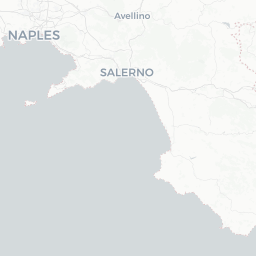
Positano is a small fishing village of roughly 2,300 residents set dramatically on the steep slopes of the Lattari Mountains above the Tyrrhenian Sea, about midway along the Amalfi Coast in Campania. Its tightly packed buildings in shades of terracotta, cream, and ochre cascade toward a narrow pebble beach, making it one of the most photographed towns in southern Italy.
Despite its small size, Positano carries an outsized reputation earned through decades of artistic and literary associations. John Steinbeck wrote warmly about the town in a 1953 Harper's Bazaar essay, helping to draw international attention that has never entirely faded. The village is genuinely beautiful, though visitors should arrive with realistic expectations: it is steep, frequently crowded from mid-June through August, and not inexpensive.
The local economy now rests almost entirely on tourism, along with a tradition of handmade sandals and ceramic goods that predates the modern holiday trade. The Church of Santa Maria Assunta, the SPIAGGIA GRANDE beach, and the hillside neighborhoods of Montepertuso and Nocelle are the anchors of a short but rewarding visit.
Before You Go
Visas
Italy is a Schengen Area member. Visa requirements vary by nationality. Check TravelerPulse's Visas section and consult the official Italian Ministry of Foreign Affairs or your nearest Italian consulate for current rules before booking.
Seasons and crowds
- Peak season (July–August): Very hot, extremely crowded, accommodation prices at their highest. The main road (SS163) suffers severe traffic; ferries and buses fill quickly.
- Shoulder season (May–June, September–October): The most comfortable window. Sea temperatures are swimmable from June onward. Many businesses close by late October.
- Low season (November–April): A large proportion of hotels and restaurants close. Some ferry services are suspended. The village is quiet but atmospheric; hiking is pleasant.
Health and travel insurance
Travel insurance with medical evacuation cover is advisable. The steep terrain and uneven steps make ankle injuries a realistic risk. Sturdy footwear is strongly recommended over sandals for walking the village paths.
What to pack
Light, breathable clothing for summer; a layer for cooler evenings in spring and autumn. Comfortable, closed shoes for the steps. Modest cover-ups are appreciated when entering the church.
Getting There
By air
The nearest major airport is Naples International Airport (NAP / Capodichino), approximately 55–65 km from Positano depending on route. From Naples, travelers connect onward by road or sea. Salerno Costa d'Amalfi Airport (QSR) handles some seasonal and charter traffic; verify current routes before planning around it.
By ferry and hydrofoil
Seasonal ferry and hydrofoil services operate between Positano and Naples, Salerno, Amalfi, Capri, and other Amalfi Coast towns. This is often the most comfortable option in summer when road traffic is severe. Schedules and operators change seasonally; check with Alilauro, Travelmar, or NLG closer to your travel date and verify locally.
By bus
SITA Sud buses run along the SS163 Amalfitana coast road connecting Positano with Sorrento (to the north) and Amalfi (to the south). The service is inexpensive and frequent in season, but buses become very crowded in July and August. Validate tickets before boarding.
By car
Driving to Positano is possible but not recommended for first-time visitors in summer. The SS163 is a narrow, winding single-carriageway road prone to gridlock. Parking within Positano is extremely limited and expensive; most lots are at the upper village entrances. If driving, consider parking in Sorrento or Praiano and continuing by ferry or bus.
By train
The nearest rail station is Sorrento, the terminus of the Circumvesuviana line from Naples. From Sorrento, continue by SITA bus or ferry. There is no train station in Positano.
Getting Around
Positano is fundamentally a walking destination, but the terrain demands honesty: the village is built on a very steep hillside, and most movement between the upper road, mid-village, and beach involves long stairways or sharply inclined alleys. There is no flat promenade connecting different quarters.
Internal bus (Orange Bus)
A small orange municipal bus runs a loop between the upper entrance of the village (Sponda stop on the SS163) and the beach area. It is the main way to avoid the steepest steps and is popular with residents and visitors alike. Tickets are purchased onboard; verify the current fare locally. The bus does not run at night.
Water taxis
Small private boats operate between Spiaggia Grande and nearby beaches such as Arienzo, Laurito, and La Porta. These are not publicly scheduled services; negotiate the fare directly with operators on the beach.
On foot
Most attractions, restaurants, and shops lie within walking distance of each other, but factor in significant elevation change and allow extra time. The path to Montepertuso and Nocelle (above the village) is a recognized hiking route and should be treated as a proper walk, not a casual stroll.
Things to See & Do
Beaches
Spiaggia Grande is Positano's main beach — a wide pebble shore fronted by beach clubs that rent sunbeds and umbrellas, with a free public section toward the western end. Spiaggia del Fornillo, a short walk west around the headland, is smaller, quieter, and considered by many locals to be the more relaxed alternative. Several smaller coves are accessible only by boat.
Church of Santa Maria Assunta
The most prominent landmark in the village, identifiable by its majolica-tiled dome visible from the sea. The interior contains a 13th-century Byzantine icon of the Black Madonna, a notable example of medieval religious art. Verify opening hours locally and dress modestly to enter.
Hiking: Path of the Gods (Sentiero degli Dei)
One of the most celebrated walks in southern Italy, this trail runs along a high ridge from Agerola (or from Bomerano) toward Nocelle, above Positano. The views across the Amalfi Coast are exceptional. The trail is classified as medium difficulty, approximately 7–8 km one way. Walkers typically descend into Positano via the steep stairway from Nocelle at the end. Go early in summer to avoid heat; carry water.
Boat excursions
Renting or joining a boat trip to explore sea caves, the coastline toward Amalfi, and the waters around Capri is a popular activity. Local operators are based at Spiaggia Grande; compare offerings and confirm what is included in any quoted price.
Montepertuso
The small village above Positano, reachable by a footpath or the local bus that runs occasionally. Known for a natural rock arch piercing the mountain cliff and for a more authentic, less touristed atmosphere than the beach area below.
Food & Drink
Positano's restaurant scene skews toward fresh seafood, southern Italian pasta, and wood-fired pizza, with most establishments positioning themselves at the middle to upper end of the price range given the tourist volume. Budget-conscious visitors will find that takeaway pizza and focaccia from small bakeries and grocery stores near the upper village offer good value.
Local dishes to try
- Scialatielli ai frutti di mare: A thick, short pasta from the Amalfi Coast tradition, typically served with mixed seafood.
- Alici fritte: Locally caught anchovies, lightly battered and fried. The anchovies from nearby Cetara are particularly well regarded along this coast.
- Delizia al limone: A small dome-shaped dessert made with limoncello cream, associated with the Sorrento Peninsula and found throughout the coast.
- Limoncello: Produced locally using Sfusato Amalfitano lemons, a protected variety. Quality varies; bottles from small producers tend to reflect the real flavor of the fruit.
Furnillo beach area and the lanes just off the main shopping street tend to have slightly more relaxed, neighborhood-oriented spots compared with the premium-priced terraces directly on Spiaggia Grande. Reservations are advisable at dinner during peak season.
Shopping
Positano has a well-established tradition of handmade leather sandals (sandali artigianali) made to measure in small workshops while the customer waits — typically within a few hours. Several family-run cobblers operate in the village; this is one of the more authentic and practical souvenirs available.
Handmade ceramics in the bold blue, yellow, and white Mediterranean palette are produced across the Amalfi Coast and are widely available in Positano, though the main production centers are Vietri sul Mare and Ravello. Look for pieces stamped with maker information if provenance matters to you.
The village also has a number of boutiques selling lightweight linen and cotton resort wear — the "Positano style" of loose, brightly colored dresses and separates has been associated with the town since at least the 1960s. Prices reflect the setting; compare before committing. Most shops are concentrated along Via dei Mulini and Via Cristoforo Colombo descending toward the beach.
Practical Information
Money
ATMs (Bancomat) are available in the village but are limited in number and can run out of cash in peak season. Carry some euros in cash, as smaller establishments and beach vendors may not accept cards.
Connectivity
Mobile coverage from major Italian carriers is generally reliable in the main village area, though it can be weaker on hiking trails above. Free Wi-Fi is offered by many accommodations and some cafés.
Accessibility
Positano is one of the least accessible destinations on the Amalfi Coast for travelers with mobility limitations. The terrain consists almost entirely of steep steps and inclines. The internal orange bus and water taxis provide some alternatives, but significant portions of the village are reachable only on foot. Prospective visitors with mobility needs should contact accommodations directly before booking to assess specific access.
Tipping
Tipping is not mandatory in Italy. A small gratuity (rounding up or leaving a few euros) is appreciated at restaurants if service has been good. Check bills for a coperto (cover charge) or servizio (service charge), which are sometimes already included.
Emergency numbers
The pan-European emergency number 112 connects to police, fire, and ambulance services throughout Italy. Verify local medical facility information on arrival.
Safety
Positano is a small, generally safe destination. The principal risks for visitors are practical rather than criminal: falls on steep or wet steps, sunburn and heat-related illness in summer, and petty theft of unattended belongings on the beach, which is common across busy Mediterranean resort beaches.
The coast road (SS163) is narrow and winding, and traffic accidents involving pedestrians, motorcycles, and buses do occur. Exercise caution when walking along or crossing the road, where there is minimal pavement in some sections.
If hiking the Path of the Gods or other trails above the village, inform someone of your route, carry adequate water, and check weather conditions. The paths can be slippery after rain and are not suitable in low visibility.