Overview
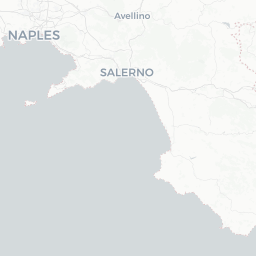
Amalfi is a small town of roughly 5,000 residents wedged between steep limestone cliffs and the Tyrrhenian Sea in the Province of Salerno, Campania. Despite its modest size, it carries an outsized historical significance: between the 9th and 11th centuries it was one of the Mediterranean's most powerful maritime republics, trading with Byzantium and the Arab world and developing the Tabula de Amalpha, an influential early maritime code.
Today the town is the informal capital of the Amalfi Coast (Costiera Amalfitana), a 50-kilometre stretch of coastline designated a UNESCO World Heritage Site in 1997. The main piazza, Piazza del Duomo, acts as a living room for residents and visitors alike, anchored by the Cathedral of Sant'Andrea with its striking Arab-Norman façade. Behind the waterfront the town climbs quickly into narrow alleyways, stairways, and small workshops producing the handmade paper (carta di Amalfi) for which the area has been known since the 13th century.
Because of its geography — one main coastal road, SS163, and very limited parking — Amalfi rewards visitors who arrive by ferry or bus, travel light, and accept that the town's charm is inseparable from its physical constraints. Crowds peak in July and August; the shoulder seasons offer a noticeably quieter experience without significantly worse weather.
Before You Go
Visas
Italy is a Schengen Area member. Visa requirements vary by nationality. Check the TravelerPulse Visas section and consult the Italian Ministry of Foreign Affairs or your nearest Italian consulate for current, authoritative requirements before booking.
Health
No destination-specific vaccinations are required for most travelers, but confirm with your own healthcare provider. EU/EEA visitors should carry a valid European Health Insurance Card (EHIC). Non-EU visitors are advised to arrange comprehensive travel health insurance before departure. Pharmacies (farmacie, identified by a green cross) are present in Amalfi and can assist with minor ailments.
What to pack
- Comfortable shoes with grip: the town involves significant stair-climbing on sometimes slippery stone surfaces.
- Light layers even in summer; sea breezes cool evenings noticeably.
- Sun protection is essential from spring through early autumn.
- Cash: smaller restaurants, ferry ticket kiosks, and bus services may not accept cards reliably. Verify locally.
Practical timing notes
Many smaller hotels, restaurants, and shops follow a seasonal calendar and may be closed from late November through February or March. Confirm opening periods directly with any establishment you plan to visit.
Getting There
By Air
The nearest international airports are Naples Capodichino (NAP), approximately 70 km away, and Rome Fiumicino (FCO) for those combining a Rome visit. From Naples, onward connections to Amalfi are possible by train to Salerno or Vietri sul Mare, then bus, or by ferry from Naples Mergellina or Molo Beverello piers (seasonal; verify schedules with ferry operators such as Alicost or Travelmar before travel).
By Ferry
Ferries and hydrofoils connect Amalfi to Salerno, Positano, Capri, and Naples during the main tourist season (roughly April–October). Schedules and operators change year to year; check directly with ferry companies or the harbour office on arrival for current timetables and fares.
By Bus
SITA Sud buses run along the SS163 coastal road connecting Amalfi with Sorrento (via Positano) and Salerno. The road is narrow and single-lane in sections; journey times vary considerably with traffic. Tickets are typically purchased at tabacchi shops or designated ticket points before boarding — verify the current system locally.
By Car
Driving to Amalfi is possible but presents real challenges: the SS163 is narrow, subject to traffic restrictions and seasonal closures, and parking in Amalfi itself is extremely limited and expensive. Arriving by public transport or ferry is strongly recommended for most visitors.
Getting Around
Within Amalfi, almost everything is walkable, though the terrain is steep and staircases are unavoidable. The historic centre is largely pedestrianised. Water taxis can be hired from the harbour for transfers to nearby beaches and villages not easily reached on foot — negotiate fares before departing.
For day trips along the coast, SITA Sud buses are the most practical option. Purchase tickets before boarding and validate them on the bus. Services can be very crowded in peak season; travelling early in the morning or after 17:00 tends to be easier.
Ferry connections from Amalfi's port are convenient for reaching Positano, Ravello's coastal access point (Minori or Atrani), and Salerno without backtracking on the coastal road. Timetables are seasonal — verify at the port or with operators on the day.
Things to See & Do
Cathedral of Sant'Andrea (Duomo di Amalfi)
The cathedral dominates Piazza del Duomo and is one of southern Italy's finest examples of Arab-Norman architecture. The 62-step staircase leading to the entrance is a landmark in itself. The adjacent Cloister of Paradise (Chiostro del Paradiso), a 13th-century Arab-style cloister, houses medieval sculptural fragments. Admission fees and hours change; verify on-site or on the official diocesan website.
Museum of the Paper (Museo della Carta)
Housed in a 13th-century paper mill in the Valle dei Mulini behind the town, this museum demonstrates the traditional techniques of Amalfi's handmade paper production. A working exhibit, not merely a display. Verify current opening hours and admission fees before visiting.
Valle dei Mulini
The valley immediately behind Amalfi was historically lined with paper and textile mills powered by the Canneto stream. A walking trail follows the valley uphill. Some sections can be overgrown or closed after rain — check locally.
Beaches
Amalfi's main beach is directly in front of the town and is predominantly a mix of sand and pebbles. It gets crowded in summer. Neighbouring Atrani, a five-minute walk east along the seafront path, has a smaller, quieter beach. Many visitors take a boat to less-accessible coves along the coast.
Day trips
- Ravello: 7 km uphill by road, famous for its gardens and hilltop villas.
- Positano: reachable by ferry or bus; the coast's most photographed village.
- Grotto dello Smeraldo: an illuminated sea cave accessible by boat or lift from the SS163; verify access and costs locally.
Food & Drink
Amalfi's cuisine sits within the broader Campanian tradition: seafood dominates, pasta is made fresh, and local produce — especially the large sfusato amalfitano lemon — features prominently. Limoncello, the lemon liqueur associated with this coastline, is produced locally and sold everywhere; quality varies considerably between artisan producers and mass-market bottles.
What to try
- Scialatielli ai frutti di mare: a short, hand-made pasta typical of the Amalfi Coast, usually served with mixed seafood.
- Alici di Cetara: anchovies from the nearby fishing village of Cetara, served in various preparations; colatura di alici (anchovy sauce) is a prized condiment.
- Delizia al limone: a local sponge cake soaked in lemon cream, found in most pastry shops.
- Fresh mozzarella and provola: from nearby dairy farms in the hinterland.
Restaurants are concentrated around Piazza del Duomo and the waterfront. Places a street or two back from the main square often offer better value. Lunch service typically runs 12:30–15:00, dinner from 19:30; kitchens close earlier in the off-season. Always confirm prices on the menu (menù) before ordering, as tourist areas sometimes apply supplementary charges.
Shopping
Handmade paper products (carta di Amalfi) — notebooks, stationery, printed cards — are the most distinctive local purchase and make practical souvenirs. Several workshops along Via Lorenzo d'Amalfi sell directly to the public.
Limoncello and lemon-based products (liqueurs, preserves, soaps, ceramics with lemon motifs) are ubiquitous. For limoncello, look for producers who list sfusato amalfitano lemons as the base ingredient.
Ceramics from the nearby town of Vietri sul Mare are widely sold throughout the coast; Vietri itself has a greater selection and generally more competitive pricing than shops in Amalfi proper. If ceramics are a priority, consider a short detour.
Practical Information
Money
ATMs (bancomat) are available in Amalfi, though the number is limited for the volume of summer visitors. Queues can form. Carry sufficient cash for a day's spending, particularly for ferries, buses, and smaller food vendors.
Connectivity
Mobile coverage (4G/5G) from major Italian operators is generally available in the town centre, though it can be patchy on trails and in the valleys. Free Wi-Fi is offered by many hotels and some cafés.
Emergency numbers
- General emergency: 112 (EU-wide number, covers police, ambulance, fire)
- Carabinieri: 112
- Medical emergency: 118
- Coast Guard (Guardia Costiera): 1530
Post and communications
A post office (Poste Italiane) operates in the town. Hours are limited; verify locally. Postcards and stamps are also sold at some tabacchi.
Accessibility
Amalfi's steep stairways, uneven stone surfaces, and narrow alleys make it challenging for visitors with mobility impairments. Limited level access exists around the main piazza and the waterfront. Contact accommodation providers in advance to discuss specific needs.
Safety
Amalfi is generally a safe destination. The principal concerns are practical rather than criminal.
- Traffic on the SS163: The coastal road is genuinely dangerous for pedestrians and cyclists. Walk on the seaward side where possible and exercise caution at tunnel entrances, which have limited visibility.
- Petty theft: Pickpocketing can occur in crowded areas around the harbour and piazza, particularly in peak season. Use a money belt or interior pocket for documents and valuables.
- Swimming: The sea off the Amalfi Coast can have strong currents, particularly around rocky headlands. Observe local guidance, swim at recognised beaches, and do not swim alone in remote coves.
- Trail conditions: Paths in the hills, including the famous Sentiero degli Dei (Path of the Gods), can be steep, unmarked in sections, and slippery when wet. Appropriate footwear and checking local trail conditions before setting out are advisable.
Local Culture & Etiquette
Amalfi takes quiet pride in its identity as a former maritime republic — one of the four historic Italian maritime republics alongside Venice, Genoa, and Pisa. The feast day of the town's patron saint, Sant'Andrea, is celebrated on 27 June and 30 November, with processions and the statue of the saint carried down the cathedral steps to the sea. These are genuine local occasions, not staged for tourists.
The Regata delle Antiche Repubbliche Marinare, a rowing race between the four historic maritime republics, rotates host cities each year and comes to Amalfi roughly once every four years. When it does, the town fills well beyond its normal capacity; book accommodation far in advance if visiting during this event.
Dress modestly when entering the cathedral and other churches: shoulders and knees should be covered. Beachwear is not appropriate in the town's streets away from the immediate waterfront, and some establishments post signs to that effect.