Translate
Overview
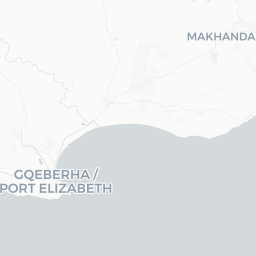
Gqeberha — known internationally until 2021 as Port Elizabeth, and still widely referred to by its abbreviation 'PE' — is the largest city in the Eastern Cape and the economic hub of Nelson Mandela Bay Metropolitan Municipality. Sitting at the western end of the Garden Route and within easy reach of Addo Elephant National Park, it occupies an unusual position as both an industrial port city and a genuine safari and coastal destination.
The city's character is shaped by its multilingual, multicultural population. IsiXhosa, Afrikaans, and English are all everyday languages here, and this diversity is reflected in the food, music, and neighbourhood life. Visitors often arrive expecting a transit stop on the way to the Garden Route or Addo but leave surprised by the city itself — its long, uncrowded beaches, its vibrant arts scene, and a relaxed pace that sets it apart from Cape Town or Johannesburg.
Gqeberha has a complex history tied to British colonialism, the Xhosa Frontier Wars, and the anti-apartheid movement. Nelson Mandela Bay takes its name from the former president who spent significant parts of his youth in the Eastern Cape. Engaging honestly with that history is part of what makes a visit here rewarding rather than superficial.
Before You Go
Visas
South Africa has a fairly open visa regime for many nationalities, but requirements vary by passport. Do not rely on general descriptions — check TravelerPulse's Visas section and verify current requirements directly with the South African Department of Home Affairs before booking.
Health
One of Gqeberha's practical advantages is that it is malaria-free, as is the greater Eastern Cape region including Addo. No malaria prophylaxis is needed for a city-based trip. Standard travel health precautions apply: ensure routine vaccinations are up to date, and carry comprehensive travel insurance that includes medical evacuation.
Climate
The city has a temperate, year-round climate. Summers (November–March) are warm, with average highs typically in the mid-to-upper 20s°C, and occasional afternoon thunderstorms. Winters (June–August) are mild but can be windy. The Eastern Cape coast is famously windy at any time of year — locals call Gqeberha 'The Windy City' — so layers are useful even in summer.
What to Pack
- Sunscreen and a hat — UV levels are high
- Wind-resistant layer for beach walks
- Neutral, earth-tone clothing if visiting game reserves
- Adapters for South Africa's Type M (three round pins) plug standard
Getting There
By Air
Gqeberha is served by Chief Dawid Stuurman International Airport (IATA: PLZ), which handles domestic flights primarily from Johannesburg (OR Tambo) and Cape Town, operated by South African Airways, FlySafair, Airlink, and other carriers. International visitors typically connect through Johannesburg or Cape Town. Verify current routes and schedules on airline or aggregator sites before booking.
By Road
The N2 highway connects Gqeberha to Cape Town (approximately 770 km west) and to East London (approximately 310 km northeast). The drive from Cape Town via the Garden Route is a popular self-drive route. Long-distance coach operators including Intercape, Greyhound (verify current operations), and FlixBus serve the route — check current schedules directly with operators.
By Bus
The Baz Bus hop-on, hop-off backpacker service historically included Gqeberha on its Garden Route itinerary; verify current routing and stops on their official site as networks do change.
Getting Around
Car Rental
Renting a car is the most practical option for visitors who want to reach Addo Elephant National Park (roughly 70 km from the city centre) or explore the surrounding coast. All major international rental companies operate at the airport. Book in advance during peak holiday periods.
Rideshare and Taxis
Uber operates in Gqeberha and is widely used by visitors as a safer and more predictable option than metered taxis hailed on the street. App-based ride-hailing is the recommended choice for most urban journeys.
Local Transport
The BRT (Bus Rapid Transit) system, branded Libhongoza, operates on designated routes within the metro area. Minibus taxis are ubiquitous and are the primary transport for most residents, but routes and etiquette can be confusing for first-time visitors — ask locally if you want to use them.
Cycling and Walking
The Donkin Heritage Trail and the beachfront promenade are walkable. Beyond those areas, walking between points of interest is generally impractical and inadvisable at night. Cycling infrastructure is limited; verify local conditions before planning a cycling itinerary.
Things to See & Do
Addo Elephant National Park
Addo is the single most compelling day-trip from Gqeberha and one of South Africa's premier national parks. It protects Africa's densest population of elephants and is also Big Five territory (lion, leopard, rhino, buffalo, elephant) — all without the malaria risk present in many other Big Five parks. Entry fees and booking for accommodation within the park are managed by SANParks; check the official SANParks website for current prices and to pre-book.
Beaches
The city's beachfront stretches along Humewood and Summerstrand. Kings Beach, Hobie Beach, and Pollock Beach are popular for swimming, surfing, and kiteboarding. The bay hosts an annual ironman triathlon and open-water swimming events. Conditions can be rough — check surf reports and heed municipal beach flags.
Donkin Reserve and Heritage Trail
The Donkin Reserve sits on a hill above the city centre and is marked by a pyramid and lighthouse built in 1820 by Acting Governor Sir Rufane Donkin. The self-guided Donkin Heritage Trail links Victorian-era buildings and provides a walkable introduction to the city's colonial-era urban fabric. Maps are available locally; verify at the tourism office for current condition of routes.
Bayworld
The Bayworld complex includes an oceanarium, snake park, and museum on the beachfront at Humewood. It is particularly popular with families. Verify current opening hours and admission fees directly with the venue before visiting.
Arts and Culture
- The Nelson Mandela Bay Stadium (2010 FIFA World Cup venue) is visible from much of the city and offers tours — verify availability locally.
- Athenaeum and various community galleries host rotating exhibitions of Eastern Cape artists.
- The Market Square area and the Campanile monument near the harbour are worth a short visit for historical context.
Surfing
Gqeberha has a dedicated surf culture. Pollock Beach and several other spots around the bay attract consistent swells. Local surf schools offer lessons for beginners — look for operators on the beachfront or ask at your accommodation.
Food & Drink
The Gqeberha food scene is unpretentious and genuinely diverse, reflecting the city's Xhosa, Afrikaner, and broader South African cultural mix. Seafood is a local strength given the proximity to the Indian Ocean — look for yellowtail, snoek, and crayfish (spiny lobster) when in season.
What to Try
- Braai (South African barbecue) is a social institution; many self-catering accommodations are equipped for it, and public braai areas exist at several parks and beaches.
- Umngqusho (samp and beans) and other Xhosa dishes appear at some local restaurants — ask staff for recommendations rather than relying on tourist-facing menus.
- Koeksisters and other Cape Malay-influenced baked goods appear in bakeries across the city.
Neighbourhoods to Eat In
The Summerstrand and Humewood beachfront strips have the highest concentration of restaurants and cafés aimed at visitors, ranging from casual fish-and-chips to more formal seafood restaurants. The Newton Park suburb has a suburban restaurant row popular with locals. Verify current hours and trading status before visiting any specific venue, as the hospitality landscape shifts regularly.
Drinking
South African wine — particularly from the Western Cape — is available at restaurants citywide. Local craft beer has grown in presence. Bars on the beachfront cater to a young, surf-oriented crowd on weekend evenings.
Shopping
Gqeberha is a practical shopping city for residents but not a major craft or curio destination in the way that Cape Town's markets are. That said, there are worthwhile stops for travelers.
- The Boardwalk Casino and Entertainment World in Summerstrand contains a shopping mall alongside its casino and hotel facilities; convenient but mainstream retail.
- Greenacres Shopping Centre and Walmer Park Shopping Centre are large suburban malls with South African and international chains.
- For authentic crafts and textiles with Eastern Cape origins, look for market stalls near the beachfront or ask your accommodation about local artisan markets — these tend to be informal and seasonal.
- African art and beadwork: The Eastern Cape is associated with Xhosa beadwork traditions; if purchasing, ask vendors directly about the origin and maker of items.
Practical Information
Money
ATMs are widely available at shopping centres, petrol stations, and banks. Visa and Mastercard are accepted at most formal establishments; carry some cash for markets, smaller restaurants, and tipping. Avoid using ATMs at night or in isolated areas.
Tipping
Tipping is standard practice in South Africa. In restaurants, 10–15% is conventional for good service. Petrol station attendants (South Africa has full-service fuelling) and car guards (informal parking attendants) customarily receive small tips — verify locally for current norms.
Connectivity
Prepaid SIM cards from operators including Vodacom, MTN, and Cell C are available at the airport and in shopping centres. Data is affordable; 4G coverage is good in the urban area and on main roads. Coverage can be patchy in more remote coastal areas.
Emergency Numbers
Emergency numbers in South Africa include 10111 (police) and 10177 (ambulance) as nationally recognised numbers. Verify locally for Nelson Mandela Bay Metro emergency services contacts, and save your accommodation's emergency contact on arrival.
Tourism Information
Nelson Mandela Bay Tourism operates a visitor information service — verify the current location and hours of their offices on arrival or via their official website before your trip, as these can change.
Safety
Gqeberha, like most South African cities, requires straightforward situational awareness rather than fear. Petty theft and opportunistic crime are the most common concerns for visitors, particularly in and around the CBD and at beaches. Violent crime exists in some residential areas but is generally not the environment most tourists move through.
Practical precautions:
- Do not leave valuables visible in parked vehicles, at any time.
- Use Uber or pre-arranged transport rather than walking after dark, particularly in the CBD and harbour area.
- Keep phones and cameras discreet on busy beachfronts.
- The beachfront promenade between Summerstrand and Humewood is generally busy and reasonably safe during the day; conditions change at night.
- Consult your accommodation hosts honestly about current conditions in specific neighbourhoods — they will give you current, local-level information that no guide can replicate.
The South African Police Service (SAPS) emergency number is 10111. Travel insurance with emergency assistance coverage is strongly advised.
Local Culture & Etiquette
Gqeberha sits in the heart of the Eastern Cape, which carries deep significance in South African history. The region was the home territory of several major Xhosa-speaking kingdoms, and the Frontier Wars fought here across the 18th and 19th centuries were among the longest colonial conflicts in southern African history. Nelson Mandela, Walter Sisulu, Steve Biko, and many other pivotal figures of the anti-apartheid movement were born or raised in the Eastern Cape.
Xhosa cultural traditions remain living and visible in the city and its surrounding areas. Ulwaluko (male initiation) and other ceremonial practices are taken seriously and are private — visitors should not attempt to observe or photograph ceremonies. When engaging with Xhosa culture — whether at a cultural village, through music, or in daily interactions — approach with genuine curiosity and respect rather than a consumer mindset.
The name change from Port Elizabeth to Gqeberha (pronounced approximately 'hk-eh-BEH-ra', with the 'Gq' representing a Xhosa click consonant) was formalised in 2021 as part of a broader post-apartheid process of restoring indigenous place names. Locals use both names interchangeably; neither usage is considered offensive, though using 'Gqeberha' signals awareness of the city's current official identity.