Translate


Overview
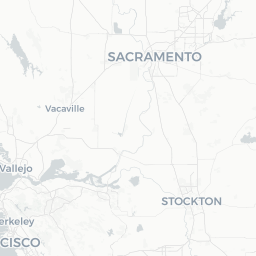
Napa is a mid-sized city of roughly 80,000 residents situated at the southern end of Napa Valley, about 50 miles northeast of San Francisco. While the broader valley draws visitors to its vineyards and luxury resorts, the city of Napa itself has developed into a legitimate destination in its own right, with a revitalized downtown, a walkable riverfront, and a dense concentration of restaurants, tasting rooms, and cultural venues.
The Napa River runs through the heart of downtown, and a flood-control project completed in the early 2000s transformed the formerly neglected waterfront into a lively promenade lined with restaurants and wine bars. First Street Napa anchors the downtown retail and dining scene, and the area attracts visitors who prefer an urban base from which to explore the wider valley.
Napa Valley as a whole stretches roughly 30 miles north toward Calistoga and encompasses AVAs (American Viticultural Areas) including Oakville, Rutherford, Stags Leap, and others. The city of Napa serves as the practical gateway to all of them, with more affordable lodging options than towns farther up-valley such as Yountville or St. Helena.
Before You Go
Visas and Entry
Napa is located in the United States. Entry requirements vary significantly by nationality. Check TravelerPulse's Visas section and the U.S. Customs and Border Protection website (cbp.gov) for current requirements before booking.
When to Go
- Harvest season (September–October) is the most dramatic and popular time, with crush activity in vineyards and special events throughout the valley. Expect higher prices and book accommodations well in advance.
- Spring (April–June) brings green hillsides, wildflowers, and comfortable temperatures with fewer crowds than fall.
- Summer (July–August) is warm to hot—valley temperatures can exceed 95°F (35°C)—and busy with tourists.
- Winter (November–February) is the off-season: vines are dormant, prices drop, and tasting rooms are quieter, though some smaller wineries may have limited hours.
What to Pack
Layering is essential year-round. Valley mornings can be cool and foggy even in summer. Comfortable walking shoes are practical for downtown and winery visits. If you plan to hike in the surrounding hills, bring sun protection and water.
Getting There
By Air
The nearest major airport is San Francisco International Airport (SFO), roughly 60–70 miles southwest, followed by Oakland International Airport (OAK) and Sacramento International Airport (SMF). Norman Y. Mineta San José International Airport (SJC) is a further option. Ground transportation from SFO to Napa typically takes 1–1.5 hours depending on traffic; verify current shuttle and car rental options locally or through your accommodation.
By Car
Driving is by far the most practical way to arrive. From San Francisco, the most common route is US-101 North to CA-37 East, then north on CA-29 into Napa. I-80 East to CA-12 West is an alternative from the east. Traffic on CA-29 during peak weekends can be significant.
By Public Transit
Napa is served by VINE Transit, which connects to BART (Bay Area Rapid Transit) and other regional transit hubs. This is a viable option for travelers who don't plan to rent a car, though service frequency and schedules should be verified at ridethevine.com before travel.
Getting Around
Within the City
Downtown Napa is compact and walkable. The First Street area, the Oxbow Public Market, and the Napa Riverfront are all within comfortable walking distance of each other. Ride-hailing services (Uber, Lyft) are available.
Exploring the Valley
A rental car gives the most flexibility for visiting wineries spread across the 30-mile valley. However, given that wine tasting is the primary activity, many visitors hire a car service, join a guided tour, or use a designated driver. Do not drive impaired—DUI enforcement is active throughout the valley and surrounding highways.
Wine Tram and Tours
The Napa Valley Wine Train operates a scenic rail journey between Napa and St. Helena with onboard dining and optional winery stops. Verify current schedules and booking requirements at winetrain.com. Numerous tour operators offer guided van, bicycle, and Jeep tours of the valley; research and book in advance during peak season.
Where to Stay
Overview
Napa offers a wider range of accommodation price points than towns farther north in the valley. Options range from boutique hotels and bed-and-breakfasts in the downtown area to larger full-service hotels near the highway corridor. The city is a practical base for visiting the entire valley while potentially paying less than equivalent properties in Yountville or St. Helena.
Booking Tips
- Harvest season (September–October) and summer weekends book out weeks or months in advance. Reserve early.
- Midweek stays are generally less expensive than weekends year-round.
- Some properties have minimum stay requirements on weekends; verify when booking.
- Downtown locations allow you to walk to restaurants and tasting rooms without driving, which is a meaningful practical advantage given the wine-centric nature of most visits.
Camping
Skyline Wilderness Park on the city's eastern edge offers campsite options. Verify availability and reservation requirements through Napa County Parks or the park directly before your trip.
Things to See & Do
Wine Tasting
Napa Valley is home to hundreds of wineries, ranging from large estate operations to small, appointment-only producers. Many require reservations, particularly on weekends—book tasting appointments well ahead during harvest season. The city of Napa itself has numerous urban tasting rooms in the downtown and Oxbow districts, allowing visitors to sample wines without driving between properties.
Oxbow Public Market
This indoor market in downtown Napa houses local food producers, cheesemakers, butchers, coffee roasters, and specialty vendors. It functions both as a practical food stop and a cultural experience reflecting the valley's agricultural character. Verify current hours at oxbowpublicmarket.com.
Napa Valley Museum Yountville
Located just north of the city in Yountville (an easy drive), this museum offers rotating exhibitions focused on California art and the cultural history of the valley. Check their website for current programming.
Hiking and Outdoors
Napa County has several parks with trails in the surrounding hills, including Skyline Wilderness Park on the eastern edge of the city. The park offers hiking, mountain biking, and camping with views over the valley. Trails vary in difficulty; verify conditions and access locally before visiting.
Culinary Experiences
Cooking classes, olive oil tastings, cheese tours, and farm visits are available through various operators in and around the city. The valley's farm-to-table food culture extends well beyond restaurants.
Food & Drink
Dining
Napa and the surrounding valley are among California's premier dining destinations. The city of Napa's downtown has a concentrated restaurant scene ranging from casual wine bars to acclaimed fine-dining establishments. Reservations are strongly recommended for dinner, especially on weekends and during harvest season. Many restaurants source produce directly from local farms and adjust menus seasonally.
Wine
Cabernet Sauvignon is the valley's signature variety, but Chardonnay, Merlot, Sauvignon Blanc, and Zinfandel are also widely produced. Prices for Napa Valley wines are generally on the higher end nationally, reflecting land costs and reputation. Urban tasting rooms in downtown Napa often offer a more casual and affordable entry point than estate winery visits.
Craft Beer and Non-Wine Options
Several craft breweries and a growing number of craft cocktail bars operate in downtown Napa, offering alternatives for visitors who don't drink wine. The Oxbow Public Market area is a good starting point for exploring these options.
Practical Notes
- California's legal drinking age is 21; valid photo ID required.
- Tasting fees at wineries vary and may or may not be applied toward bottle purchases—ask when booking.
- Plan meals around your winery schedule; lunch options inside wine country can be limited outside of winery restaurants.
Practical Information
Money
Credit and debit cards are accepted almost universally. ATMs are available throughout downtown. Tipping is customary in the United States: 18–20% is standard at sit-down restaurants; smaller tips are common at tasting rooms, though not obligatory.
Connectivity
Wi-Fi is widely available at hotels, cafes, and the Oxbow Market. Cellular coverage in the valley is generally solid in populated areas but can be patchy in more remote vineyard areas.
Emergencies
- Emergency services (police, fire, ambulance): 911
- Non-emergency police: Contact the Napa Police Department directly; verify the current non-emergency number locally.
- Napa Valley Unified urgent care and hospital facilities are available in the city; verify locations and hours through a current local search before travel.
Alcohol and Driving
California's blood alcohol limit is 0.08%. DUI checkpoints and patrols are common in wine country. Plan a sober driver, use a car service, or join a guided tour.
Safety
Napa is generally a safe destination for travelers. Standard urban precautions apply in the city: be aware of your surroundings, do not leave valuables visible in parked cars, and secure your belongings in crowded public spaces like the Oxbow Market.
Wildfire risk is a real seasonal concern in Northern California. The wine country experienced significant fires in 2017 and 2020. If traveling in late summer or fall, monitor air quality and fire conditions through AirNow.gov and the California Department of Forestry and Fire Protection (CAL FIRE) website. Have a contingency plan if conditions deteriorate.
Earthquake preparedness is relevant throughout the Bay Area and North Bay. Familiarize yourself with basic earthquake safety procedures (drop, cover, hold on) and know your accommodation's emergency protocols.