Translate
Overview
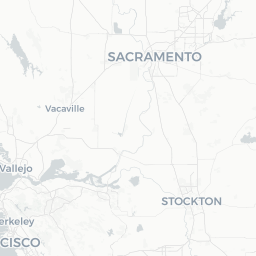
Sonoma is a small city of roughly 11,000 people in the southern Sonoma Valley, about 45 miles north of San Francisco. Despite its modest size, it carries an outsized reputation as a gateway to one of California's most celebrated wine regions and as the site of a pivotal moment in the state's history.
The city's heart is Sonoma Plaza, an eight-acre town square and California Historical Landmark that is one of the largest historic plazas in the state. Around it sit tasting rooms, independently owned restaurants, boutiques, and the adobe buildings of the Sonoma Mission — all within easy walking distance of each other.
Sonoma differentiates itself from its better-known neighbor Napa by a generally more relaxed pace. Tasting rooms tend to be less formal, winery visits often include picnic grounds or bocce courts, and the overall atmosphere leans toward unhurried rather than flashy. It is a destination that suits travelers who want substance alongside scenery.
Before You Go
Visas
Entry requirements for the United States vary depending on your nationality. Check the TravelerPulse Visas section and the U.S. Customs and Border Protection website for current, authoritative guidance before booking.
Climate
Sonoma has a Mediterranean climate: warm, dry summers and mild, wet winters. Fog from San Pablo Bay can drift in during summer mornings before burning off by mid-day. Harvest season (August–October) brings warm days and cool nights. Winter sees the most rainfall but also quiet roads and uncrowded tasting rooms.
What to Pack
- Layers are essential year-round; evenings cool quickly even in summer
- Comfortable walking shoes for vineyard visits and uneven adobe pathways
- Sun protection in summer and an umbrella or waterproof layer in winter
Useful Preparation
- Many popular wineries require reservations; book tasting appointments in advance, especially on weekends
- Designate a driver or plan to use a ride-share or tour service if visiting multiple wineries
- Some farm-stand and artisan businesses operate on reduced or seasonal hours — verify locally before visiting
Getting There
By Air
The nearest major airport is San Francisco International Airport (SFO), roughly 55–65 miles south depending on route. Oakland International Airport (OAK) is a comparable alternative. Norman Y. Mineta San José International (SJC) is further but viable. Charles M. Schulz–Sonoma County Airport (STS) in Santa Rosa, about 20 miles north, handles limited regional and connecting flights and is the most convenient option if flights are available from your origin.
By Car
Driving is the most practical approach. From San Francisco, the typical route runs north on US-101 or across the Golden Gate Bridge via Highway 1 or Highway 37, then east. Travel time varies considerably with Bay Area traffic; allow 90 minutes or more from SFO during peak hours. A car is essentially necessary for exploring wineries beyond the plaza.
By Bus / Shuttle
Sonoma County Transit operates bus service connecting Sonoma to Santa Rosa and other county points. Various private wine-country shuttle and tour companies offer service from San Francisco and other Bay Area points — confirm schedules and availability directly with operators, as these change seasonally.
Getting Around
Sonoma Plaza and the immediate downtown are easily navigated on foot. The plaza itself is flat, and most restaurants, tasting rooms, and the mission complex are within a short walk of its perimeter.
Beyond downtown, a car is the most practical way to reach wineries, state parks, and neighboring towns in the valley. Road cycling is popular among those who want to combine exercise with winery visits; bike rental services operate in and near the plaza — verify current providers locally.
Ride-share services (Uber, Lyft) are available but coverage can be inconsistent in more rural areas; do not rely on them exclusively for winery-to-winery travel. Some wineries are accessed via narrow, winding roads that require attentive driving.
Things to See & Do
Sonoma Plaza and Historic Sites
Sonoma Plaza is the natural starting point. The Mission San Francisco Solano — the northernmost and last of the California missions, founded in 1823 — sits on the plaza's northeast corner as part of Sonoma State Historic Park. The park also encompasses the Sonoma Barracks and Vallejo's Home (Lachryma Montis), General Mariano Vallejo's Gothic Revival house a short walk from the plaza. Admission fees and hours for state park units should be verified on the California State Parks website.
Wine Tasting
The Sonoma Valley AVA and overlapping appellations support a broad range of varietals: Chardonnay, Pinot Noir, Zinfandel, and Cabernet Sauvignon are well represented. Wineries range from small family estates to larger producers. Walking-distance tasting rooms line the plaza; estate visits require driving into the valley or the surrounding Carneros and Sonoma Mountain areas. Reservations are strongly recommended.
Bear Flag Monument and Farmers Market
The plaza's Bear Flag Monument commemorates the short-lived 1846 California Republic. The Sonoma Farmers Market operates on the plaza on select days — verify current schedule locally, as it varies by season.
Outdoor Activities
- Sonoma Valley Regional Park and Sugarloaf Ridge State Park (northeast of town) offer hiking with valley and coastal range views
- Cycling routes through the valley connect Sonoma to Glen Ellen and beyond
- Ballooning over the wine country is a popular, if expensive, activity offered by several local operators
Food & Drink
Sonoma's food scene is anchored by proximity to farms, dairies, and the sea. The Sonoma-Marin region produces well-regarded cheeses, including from the Vella Cheese Company, which has operated in Sonoma since 1931. Local olive oil producers, artisan bakers, and farm stands round out a strong local food ecosystem.
Restaurants around the plaza range from casual to upscale, with menus that lean heavily on seasonal, locally sourced ingredients. Expect wine pairings to feature prominently. The area also has strong Italian-American culinary traditions reflecting historic immigrant settlement patterns.
For casual meals, the Sonoma farmers market and food trucks that periodically set up around town offer accessible options. Picnicking is a well-established local custom: pick up provisions from a deli or market and bring them to a winery with picnic grounds (confirm with the winery in advance, as policies vary).
Coffee shops and bakeries are clustered near the plaza and serve the early-morning crowd. Verify hours before planning breakfast stops, as some open later on weekdays.
Shopping
Shopping in Sonoma is centered on the plaza and the streets immediately surrounding it. The retail mix leans toward independent stores: wine and spirits shops, olive oil and pantry goods retailers, kitchen and home goods, art galleries, and clothing boutiques. Chain retail is minimal.
Winery gift shops can be good sources for library wines, club-exclusive bottles, and branded accessories not available elsewhere. Vella Cheese and the Sonoma Cheese Factory are among the locally established spots for provisions to take home. Verify current operators and hours locally, as small businesses do change.
Practical Information
Emergency Services
In any emergency in the United States, dial 911 for police, fire, or ambulance.
Money
ATMs are available near the plaza. Credit cards are widely accepted at restaurants, wineries, and shops. Some small farm stands and market vendors are cash-preferred.
Connectivity
Mobile coverage is generally reliable in town. It can be intermittent on winery back roads and in more remote parts of the valley — download offline maps before heading out.
Accessibility
The plaza is largely flat and accessible. Mission buildings and some historic structures have limited accessibility due to their age; verify with California State Parks before visiting if this is a concern.
Tipping
Standard U.S. tipping norms apply: 18–20% at restaurants, discretionary at tasting rooms and other services.
Safety
Sonoma is generally a safe destination with a low crime rate relative to California's urban centers. Standard travel precautions apply: do not leave valuables visible in parked cars, especially at trailheads and winery parking lots where vehicle break-ins have been reported in the broader wine country region.
Driving under the influence of alcohol is a serious concern in wine-country destinations. Plan transportation before tasting, whether that means a designated driver, a hired driver, a tour operator, or ride-share. California has strict DUI enforcement.
Wildfire is a seasonal risk in Sonoma County, particularly from late summer through fall. Monitor local alerts through the Sonoma County Office of Emergency Services and have an awareness of evacuation routes if visiting during fire season.
Local Culture & Etiquette
Sonoma occupies a layered cultural landscape. The area was home to Coast Miwok and Southern Pomo peoples long before European contact. Spanish colonization brought Mission San Francisco Solano in 1823, and Mexican governance followed. The Bear Flag Revolt of 1846 — when American settlers raised the short-lived Bear Flag Republic in the plaza — preceded U.S. annexation of California.
In the late 19th and early 20th centuries, Italian and other European immigrant families established many of the wineries and dairy operations that still define the region's character. Author Jack London, who lived and wrote at his Beauty Ranch near Glen Ellen, is a prominent figure in the valley's literary identity; his ranch is now a state historic park.
Modern Sonoma maintains a community of long-term residents alongside a significant tourism economy. Locals tend to value the agricultural character of the valley and there are ongoing civic conversations about growth, water use, and housing. Visitors are generally welcomed warmly, and respecting private property — particularly vineyard land — is expected.