Translate
Overview
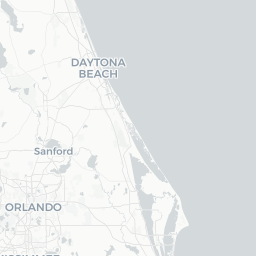
Daytona Beach sits on Florida's northeast Atlantic coast, roughly midway between Jacksonville and Orlando. The city is built around a 23-mile stretch of hard-packed sand that once served as a actual racing surface before the Daytona International Speedway was built. That racing heritage remains central to local identity and draws visitors from across the world every February for the Daytona 500.
Beyond motorsport, Daytona Beach functions as a mid-size coastal city with a working boardwalk, a fishing pier, a state college, and year-round beach access. It is considerably more relaxed outside of its major event weekends, making those quieter shoulder periods appealing for travelers who want warm weather and affordable Atlantic-coast beach time without the intensity of peak-event crowds.
The city has undergone incremental revitalization efforts along its beachside corridor and downtown areas in recent years. While some blocks still reflect the wear associated with older resort towns, investment in the Boardwalk district and nearby Main Street has improved the visitor experience. Travelers who approach Daytona Beach with realistic expectations generally find it hospitable, unpretentious, and good value compared with Florida's more polished coastal destinations.
Before You Go
Visas
Daytona Beach is in the United States. Entry requirements vary significantly by nationality. Check the TravelerPulse Visas section for general guidance and consult the U.S. Customs and Border Protection website or your nearest U.S. embassy or consulate for current, authoritative requirements before booking.
Weather
Daytona Beach has a humid subtropical climate. Summers (June–August) are hot and humid, with afternoon thunderstorms common and occasional tropical systems. Winters are mild by national standards but can include cool snaps, particularly January through February. Spring and fall offer the most comfortable beach weather. Hurricane season runs June 1 through November 30; monitor forecasts if traveling during this period.
Major Event Weekends
Daytona Beach hosts several large-scale events annually that dramatically affect hotel availability and pricing. Key ones include:
- Daytona 500 (February) — NASCAR's flagship race
- Bike Week (early March) — one of the world's largest motorcycle rallies
- Spring Break (March–April) — significant crowds, especially on weekends
- Biketoberfest (October) — a second major motorcycle event
Book accommodation well in advance if your travel coincides with any of these. Conversely, arriving just after a major event can mean empty hotels and reduced rates.
Getting There
By Air
Daytona Beach International Airport (DAB) is the most convenient option and is served by several domestic carriers. For broader international connections or more competitive fares, Orlando International Airport (MCO) is approximately 60 miles southwest and offers considerably more route options. Jacksonville International Airport (JAX) is another alternative roughly 90 miles to the north. Verify current carriers and routes directly with airlines, as service levels fluctuate.
By Car
Interstate 95 runs north–south just west of the city and is the primary highway corridor for drivers coming from the Northeast or from South Florida. Interstate 4 connects Daytona Beach to Orlando and Tampa to the west. Driving is practical and generally straightforward; traffic can be severe during major event weekends.
By Bus and Train
Greyhound and FlixBus serve Daytona Beach with connections to major Florida cities. Amtrak does not currently operate a station in Daytona Beach; the nearest active stations are in DeLand and Sanford, from which riders would need ground transport to the coast. Verify current schedules directly with the relevant operators before travel.
Getting Around
Car Rental and Driving
A personal vehicle or rental car is the most practical way to move around Daytona Beach and reach surrounding areas. Parking along the beach itself is permitted in designated areas for a fee — rates and access points should be confirmed locally, as they are subject to change. During major events, parking is congested and walking or shuttles may be more practical in the immediate beach and Speedway zones.
Public Transit
VOLUSIA (the Votran transit system) operates local bus routes throughout Volusia County, including Daytona Beach. It is a viable option for short trips along the main beach corridor and to some inland destinations. Check Votran's official website for current routes, schedules, and fares.
Rideshare and Taxis
Uber and Lyft operate in Daytona Beach. Availability is generally good near the beach and Boardwalk but can be limited during high-demand event periods. Traditional taxi services also operate in the area.
Getting Around the Beach
The Main Street Pier and Boardwalk area is walkable. Bicycle rentals are available from several operators along the beachfront — verify current availability locally. During summer months, the beach itself is accessible by vehicle on certain hard-packed sections; check current rules with Volusia County before driving onto the sand, as regulations and access points change.
Where to Stay
Daytona Beach's accommodation is concentrated in three main zones: the beachside strip along Atlantic Avenue (A1A), the area near Daytona International Speedway, and the quieter residential-adjacent areas of South Daytona and Port Orange. The beachside strip offers the most direct beach access and is closest to the Boardwalk and Main Street entertainment.
The city has a broad range of property types, from large oceanfront resort hotels and chain properties to independent motels, vacation rental condos, and smaller inns. Independent motels along the strip vary widely in quality — reading recent guest reviews carefully before booking is advisable. Vacation rental platforms list numerous condo units with full kitchens, which can be economical for families or longer stays.
For travelers attending a major event, book as early as possible — sometimes six months or more in advance for Bike Week or the Daytona 500. Outside of event periods, last-minute deals are frequently available. Properties along the Daytona Beach Shores area, just south of the main tourist strip, tend to be somewhat quieter while still offering oceanfront access.
Things to See & Do
Daytona International Speedway
The 2.5-mile tri-oval track is the centerpiece of Daytona's identity. Even outside of race weekends, the Speedway offers guided tours of the facility, pit road, and infield. The adjacent One Daytona entertainment and retail complex is open year-round. Verify current tour schedules and fees on the Speedway's official website.
The Boardwalk and Main Street Pier
Daytona's historic oceanfront Boardwalk features an amusement park with rides, arcades, and food vendors concentrated near the pier. The Main Street Pier extends over the Atlantic and offers fishing access and views. The area is family-friendly during the day and takes on a livelier character in the evenings, particularly in summer.
The Beach
The beach itself is the primary attraction for most visitors. The broad, relatively flat sand is suitable for swimming, sunbathing, beach sports, and surf fishing. Lifeguards are on duty at designated areas during peak season — look for posted flags indicating current water conditions before entering the surf.
Museum of Arts and Sciences (MOAS)
Located inland from the beach, MOAS houses permanent collections covering American, Cuban, and African art, along with natural science exhibits including a large prehistoric giant ground sloth skeleton. It is one of the more substantive cultural institutions in the Volusia County area. Verify current hours and admission fees on the museum's official website.
Ponce Inlet and the Lighthouse
About 10 miles south of the main beach strip, Ponce Inlet is a calmer, residential community at the southern tip of the barrier island. The Ponce de Leon Inlet Lighthouse — one of the tallest in the United States — is open to visitors and offers panoramic views from the top. The surrounding area has quieter beaches and access to Canaveral National Seashore to the south.
Water Sports and Fishing
Surf fishing from the beach and pier is popular year-round. Charter fishing boats operate from several marinas in the area — inquire locally at the marinas in Port Orange, Ponce Inlet, and along the Halifax River for current operators and availability. Jet ski rentals and parasailing are available seasonally along the beachfront.
Food & Drink
Daytona Beach's dining scene reflects its beach-town and motorsport character: casual, informal, and oriented around seafood, American comfort food, and beachside bars. Fine dining options are limited compared with Orlando or Miami, but fresh seafood is widely available and generally well-prepared at waterfront establishments.
Seafood and Casual Dining
Fresh shrimp, fish tacos, grouper sandwiches, and blue crab are local staples. Waterfront restaurants along the Halifax River (the Intracoastal Waterway side of the barrier island) and near Ponce Inlet offer the most scenic settings for seafood meals. Reviewing recent local guides or platforms like Google Maps and Yelp for current top-rated spots is the most reliable approach, as restaurant turnover in beach towns can be high.
Main Street and Boardwalk Area
The Main Street corridor has the densest concentration of bars, casual restaurants, and fast food, particularly active during event weekends. This is where the biker bar scene is most visible during Bike Week and Biketoberfest. Travelers seeking a quieter meal may prefer restaurants slightly off the main strip.
Grocery and Self-Catering
Several major grocery chains operate in and around Daytona Beach, making self-catering a practical option for those in vacation rentals or condos. This can meaningfully reduce food costs during a longer stay.
Practical Information
Emergency Services
In any emergency in the United States, dial 911 for police, fire, or ambulance. The non-emergency line for the Daytona Beach Police Department can be found on the city's official website.
Health
No unusual health precautions are required for domestic U.S. travelers. International visitors should ensure they have adequate travel health insurance, as medical costs in the United States can be substantial without coverage. Pharmacies (CVS, Walgreens, and others) are present throughout the city.
Connectivity
Cell coverage from major U.S. carriers (Verizon, AT&T, T-Mobile) is reliable throughout the city and beachfront areas. Free Wi-Fi is available at many hotels, cafes, and some public areas. International visitors should confirm roaming plans with their home carrier or purchase a local SIM.
Tipping
Tipping is customary and expected in the United States. Standard practice is 18–20% at sit-down restaurants, a few dollars per drink at bars, and a few dollars per bag for hotel porters. Check your bill, as some restaurants add a service charge automatically, particularly for larger groups.
Sales Tax
Florida has a state sales tax; Volusia County applies an additional local surtax. Prices displayed in shops and restaurants typically do not include tax, so expect the final bill to be slightly higher than marked prices.
Safety
Daytona Beach, like most mid-size U.S. cities, has neighborhoods with varying safety profiles. The main beachfront tourist corridor, Boardwalk area, and One Daytona complex are generally well-trafficked and considered safe for visitors during daytime hours. Standard urban precautions apply at night, particularly away from well-lit, populated areas.
During major event weekends — particularly Bike Week and spring break — crowds are large and alcohol consumption is high. Petty theft, including from unlocked vehicles, increases during these periods. Keep valuables secured, do not leave belongings unattended on the beach, and be aware of your surroundings in crowded areas after dark.
Ocean safety deserves attention. Rip currents are present along this stretch of the Atlantic coast year-round. Always swim at lifeguarded beaches, check posted flag warnings before entering the water, and if caught in a rip current, swim parallel to shore rather than directly against it. The beach can experience sudden afternoon thunderstorms in summer — exit the water and seek shelter if lightning is in the area.