Translate
Overview
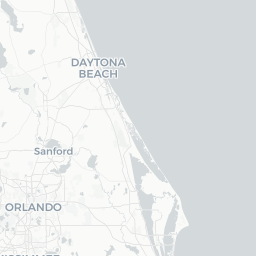
Ponce Inlet is a small coastal town of roughly 3,000 residents situated at the southern tip of a barrier island between the Halifax River and the Atlantic Ocean, about 10 miles south of Daytona Beach. Despite its modest size, it punches well above its weight as a destination, anchored by one of the best-preserved lighthouse complexes in the southeastern United States and some of the least-developed beaches on Florida's central east coast.
The town's character is shaped almost entirely by its geography. The Ponce de Leon Inlet — the tidal pass that separates the barrier island from the mainland — draws fishing charter boats, recreational anglers, and dolphin-watching cruises year-round. The inlet also creates a dynamic where calm Intracoastal Waterway scenery sits just a short walk from open-ocean surf.
Because Ponce Inlet has resisted large-scale commercial development, visitors tend to find a quieter, more local-feeling atmosphere than in neighboring Daytona Beach. The town's dining and accommodation options are limited but generally oriented toward quality over quantity, and the pace here is unhurried.
Before You Go
Visas and Entry
Ponce Inlet is in the United States. For visa and entry requirements, visit TravelerPulse's Visas section and consult the U.S. Customs and Border Protection website directly, as requirements vary by nationality.
Weather and Seasons
Ponce Inlet has a subtropical climate. Summers (June–September) are hot and humid, with daily highs typically in the upper 80s to low 90s°F, frequent afternoon thunderstorms, and warm Atlantic water. Hurricane season runs June 1 through November 30, though direct hits are relatively rare; monitor forecasts if traveling during this period. Fall through spring brings drier, more comfortable conditions — the sweet spot for most visitors is October through April when temperatures are mild and humidity is lower.
What to Pack
- Reef-safe sunscreen — UV index is high year-round
- Light, breathable clothing; a light layer for cooler evenings in winter
- Insect repellent, especially near the waterway and wooded parks
- Water shoes if you plan to explore inlet jetty areas or wade
- Cash for small local vendors and parking meters (verify locally)
Practical Notes
Ponce Inlet is a very small town with limited commercial infrastructure. Stock up on groceries and supplies in nearby Daytona Beach or New Smyrna Beach before arriving if you plan to self-cater.
Getting There
By Air
The nearest commercial airport is Daytona Beach International Airport (DAB), approximately 12–15 miles north. Orlando International Airport (MCO), roughly 60 miles southwest, offers significantly more flight options and is a practical alternative for travelers willing to rent a car.
By Car
Ponce Inlet is most easily reached by car. From Daytona Beach, take South Atlantic Avenue (A1A) southward along the barrier island. The drive takes approximately 20–25 minutes depending on traffic. A1A is the main artery through town. Parking is available at several beach access points and near the lighthouse; verify current parking fees locally or on the town's official site.
By Bus
Volusia County's VOTRAN bus service connects parts of the greater Daytona Beach area; verify current routes and schedules at the VOTRAN website, as coverage and frequency to Ponce Inlet specifically may be limited. A car or rideshare is strongly recommended for most visitors.
By Rideshare
Rideshare services such as Uber and Lyft operate in the Daytona Beach metro area and can reach Ponce Inlet, though availability at off-peak hours in this small town may be inconsistent.
Getting Around
Ponce Inlet is compact enough that once you're in town, many key attractions are reachable on foot or by bicycle from a central base. The lighthouse, Jetty Park, and several beach access points are all within a walkable or easily bikeable distance of one another.
A personal vehicle remains the most practical way to get around, particularly for reaching both ends of the peninsula or making day trips to New Smyrna Beach or Daytona Beach. Street parking is generally available but can fill up quickly near the lighthouse and popular beach access points on weekends and holidays.
Bicycle rentals are available from vendors in the greater Daytona Beach–New Smyrna Beach area; verify locally for current options. The mostly flat terrain makes cycling easy for most fitness levels.
Where to Stay
Accommodation options within Ponce Inlet are limited given the town's small size and predominantly residential character. A handful of vacation rental homes and condominiums are available through platforms such as Vrbo and Airbnb, which represent the most common option for overnight stays and are well-suited for families or those wanting a self-catering setup.
A small number of inns and motels exist in or immediately adjacent to Ponce Inlet; verify current listings and availability directly, as the inventory changes. For a wider selection of hotels at various price points, Daytona Beach Shores (immediately north) and New Smyrna Beach (to the south) both offer more conventional hotel infrastructure while remaining within easy driving distance of Ponce Inlet's attractions.
Booking well in advance is recommended for peak periods including spring break, summer holidays, and major events at Daytona International Speedway, which can drive up accommodation demand and prices across the entire region.
Things to See & Do
Ponce de Leon Inlet Lighthouse & Museum
The lighthouse is the centerpiece of any visit. Standing 175 feet tall, it is the tallest lighthouse in Florida and the second tallest in the United States. The lighthouse is listed on the National Register of Historic Places, and the surrounding museum complex preserves several original keeper's dwellings filled with period artifacts and interpretive exhibits. Visitors who are able to climb the 203 steps are rewarded with panoramic views of the inlet, Halifax River, and Atlantic coastline. Verify current admission fees and hours at the lighthouse's official website before visiting.
Beaches
Ponce Inlet's Atlantic-facing beaches are wide, relatively uncrowded by Florida standards, and largely free of high-rise development. The area near Jetty Park at the southern end of the beach is popular with surfers and anglers. Flagler Avenue beach access in neighboring New Smyrna Beach is also easily reachable for those wanting variety. Nesting sea turtles use these beaches from May through October — respect any posted restrictions around nesting areas.
Fishing and Boating
The Ponce de Leon Inlet is a productive fishing spot for a wide range of species including redfish, flounder, snook, and tarpon, depending on the season. Several fishing charter and headboat operators are based at the marina; verify current listings and pricing locally or through the town's marina services. The inlet is also popular for recreational boating, kayaking, and paddleboarding on the calmer Intracoastal side.
Wildlife Watching
Bottlenose dolphins are a common sight in the inlet and waterway. Manatees frequent the area, particularly in warmer months. The surrounding coastal scrub and wetland habitats attract migratory and resident shorebirds, making this a worthwhile stop for birders. Marine Science Center, located just north in Daytona Beach Shores, rehabilitates sea turtles and seabirds and is worth a visit; verify hours and admission on their official site.
Jetty Park
The rock jetties at the inlet's mouth are a gathering spot for anglers casting into the current, and for watching boat traffic, pelicans, and the occasional dolphin. The walk out along the jetty provides one of the better vantage points in the area.
Food & Drink
Ponce Inlet's dining scene is small but has a reputation for fresh, locally caught seafood. Most restaurants are clustered near the marina and lighthouse area. Expect a casual, come-as-you-are atmosphere at the majority of establishments.
Fish tacos, grouper sandwiches, and steamed shellfish feature prominently on local menus. Several waterfront spots offer views of the inlet alongside their food, which is worth factoring into your choice of where to eat. Reservations are advisable on weekends, particularly during peak season.
For groceries, craft beer, specialty items, or more diverse dining options, visitors typically drive north toward Daytona Beach or south toward New Smyrna Beach, both of which have larger commercial districts. There are no large supermarkets within Ponce Inlet itself.
Practical Information
Emergency Services
For any emergency in the United States, dial 911. The Volusia County Sheriff's Office has jurisdiction in Ponce Inlet. The nearest hospital with emergency services is in Daytona Beach; verify the closest facility to your accommodation upon arrival.
Money
ATMs and bank branches are not abundant within the small town itself — visit a bank or ATM in Daytona Beach or New Smyrna Beach to ensure you have cash on hand. Most restaurants and shops accept major credit cards, but smaller vendors or parking kiosks may prefer cash.
Connectivity
Mobile coverage from major US carriers is generally reliable throughout Ponce Inlet. Free Wi-Fi is not universally available in public spaces; check with your accommodation.
Accessibility
Some beach access points in Ponce Inlet offer beach wheelchairs or accessible boardwalks — verify current availability with the town or Volusia County beach services before your visit, as equipment and access points may change seasonally.
Safety
Ponce Inlet is a quiet residential community with a low general crime rate. Standard travel precautions apply: don't leave valuables visible in parked vehicles, particularly at beach parking areas.
Ocean swimming carries inherent risks. Rip currents are a real hazard along Florida's east coast; always check posted flag warnings before entering the surf. Swim near a lifeguarded area when available, and if caught in a rip current, swim parallel to shore rather than fighting the current directly.
The inlet itself has strong tidal currents that make it unsuitable for casual swimming. Boaters should be aware of shifting sandbars and vessel traffic, and consult up-to-date navigation charts. Jellyfish, stingrays, and other marine life are present — shuffle your feet when wading in shallow sandy areas to avoid stingray injuries.