Translate
Overview
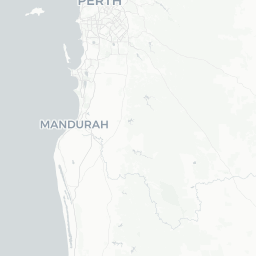
Bunbury is Western Australia's second-largest city, sitting on a sheltered coastline about 180 km south of Perth. It occupies a narrow peninsula where Koombana Bay meets the Indian Ocean, giving the city both calm, sandy harbour beaches and more exposed surf beaches within a short drive of each other.
The city functions as the commercial and service hub for the broader South West region, which means travellers find a full range of accommodation, dining, and transport options without the crowds of a purely tourist-oriented town. It has a working port, a compact but walkable CBD, and a waterfront precinct that has been progressively developed over recent decades.
Bunbury is best known internationally for its resident population of bottlenose dolphins, which regularly come into the shallows of Koombana Bay. Beyond dolphins, the city serves as a practical launching point for the Margaret River wine region, the Blackwood Valley, and the tall-timber country further south.
Before You Go
Visas
Australia requires most visitors to hold a valid visa or electronic travel authority before arrival. Requirements vary significantly by nationality. Check TravelerPulse's Visas section and the Australian Department of Home Affairs (homeaffairs.gov.au) for current requirements before booking.
Climate
Bunbury has a Mediterranean-style climate: warm, dry summers (December–February) with temperatures regularly reaching the low-to-mid 30s °C, and mild, wet winters (June–August). Spring (September–November) and autumn (March–May) are pleasant for outdoor activity. The city receives the bulk of its annual rainfall between May and September.
What to pack
- High-SPF sunscreen — UV levels are intense year-round
- Light clothing for summer; a layer for winter evenings
- Comfortable walking shoes for beach and trail access
- Insect repellent if you plan to visit wetland or bushland areas
Health
No vaccinations are required specifically for Western Australia. Australia has universal healthcare for citizens and eligible residents; international visitors should carry comprehensive travel insurance. Tap water is safe to drink.
Getting There
By Air
Bunbury does not have scheduled commercial airline services. The nearest major airport is Perth Airport (PER), which has domestic connections to all Australian capital cities and international flights. From Perth Airport, travellers continue to Bunbury by road or coach.
By Road
Bunbury is approximately 175–180 km south of Perth via the Kwinana and Forrest highways — a drive of roughly 2 to 2.5 hours depending on traffic. The road is well maintained and the route is straightforward. Car hire is available at Perth Airport from multiple operators.
By Coach
TransWA and South West Coach Lines operate scheduled coach services between Perth and Bunbury. Verify current timetables, fares, and booking procedures directly with the operators, as schedules change seasonally.
By Train
The Australind passenger train service connects Perth (East Perth terminal) to Bunbury. The journey takes approximately 2.5 hours. Check Transwa (transwa.wa.gov.au) for current timetables and fares.
Getting Around
Within the City
Bunbury's CBD and inner waterfront are walkable, but the city spreads over a sizeable area and many attractions — including beaches, the Dolphin Discovery Centre, and Big Swamp — are more conveniently reached by car or bicycle. A local bus network (Bunbury City Transit) operates routes across the urban area; verify current routes and fares with the operator or at the local bus interchange.
Car and Bike
Having your own vehicle gives the most flexibility, particularly for day trips into the surrounding region. Cycling is feasible around the foreshore and flat coastal areas; verify locally whether bike hire is available.
Taxis and Rideshare
Taxi services operate in the city. Major rideshare platforms are available — verify current coverage in the app before relying on them for specific routes.
Things to See & Do
Dolphin Discovery Centre
Koombana Bay is home to a semi-resident pod of Indo-Pacific bottlenose dolphins that regularly approach the shore. The Dolphin Discovery Centre on Koombana Drive provides educational interpretation and, subject to conditions, beach interaction experiences. Admission fees and session times are set by the centre; verify on their official site before visiting, as availability depends on dolphin behaviour and seasonal factors.
Beaches
Koombana Bay offers calm, sheltered water suitable for families and swimming. Back Beach and Lighthouse Beach, on the Indian Ocean side of the peninsula, face more open swell and attract swimmers, surfers, and walkers. The foreshore walking trail linking these areas is a practical way to explore on foot.
Big Swamp Wildlife Park
Located a short drive from the CBD, this local wildlife park houses native Australian animals including kangaroos, emus, and various bird species. Verify current opening hours and any admission charges directly with the park.
Bunbury Regional Art Galleries (BRAG)
Situated in a historic building in the city centre, BRAG hosts rotating exhibitions of regional and national artwork. Entry conditions and hours should be confirmed locally.
Leschenault Inlet and Estuary
The Leschenault Inlet to the east of the city is a protected estuarine system popular for kayaking, birdwatching, and fishing. The foreshore reserve around the inlet has picnic facilities and walking paths.
Day Trips
Bunbury's location makes it a convenient base for visiting the Margaret River wine and food region, the Blackwood River Valley, Donnybrook stone-fruit orchards, and the historic port town of Busselton.
Food & Drink
Bunbury has a broadening dining scene that reflects both its regional centre status and proximity to some of Western Australia's best produce. The Victoria Street precinct in the inner city and the foreshore area around Koombana Bay have the highest concentration of cafes, restaurants, and bars.
Seafood features prominently given the coastal location; local species such as blue manna crab, prawns, and various fin fish appear on menus when in season. The South West region — including the Margaret River area — produces well-regarded wines, craft beers, and artisan food products that appear in local venues.
The city has the usual range of independent cafes for daytime dining. For evening dining, options range from pub meals to mid-range restaurants; a dedicated fine-dining scene is limited compared to Perth, but quality improves steadily. As with any regional city, it is worth checking opening hours, particularly on Sundays and public holidays, as some establishments keep limited hours.
Practical Information
Emergency Services
In any emergency in Australia, call 000 for police, fire, or ambulance.
Money
ATMs are available throughout the city centre and in shopping centres. Card payments (credit and debit) are widely accepted. Smaller markets or food stalls may prefer cash — carry some for convenience.
Connectivity
Mobile coverage from major Australian carriers (Telstra, Optus, Vodafone) is reliable in the city and along main highways. Free public Wi-Fi is available in some public areas; verify coverage locally. International visitors should check roaming charges with their home carrier or purchase a local prepaid SIM on arrival in Perth.
Shopping Hours
General retail in Western Australia typically operates Monday–Saturday, with reduced hours on Sundays. Public holidays may affect trading hours. Supermarkets tend to have extended hours.
Useful Contacts
- Bunbury Visitor Centre: located in the city centre (verify current address and hours at visitbunbury.com.au)
- Non-emergency police: 131 444 (Australia-wide)
Safety
Bunbury is a safe regional city by general standards. Visitors should apply the same common-sense precautions used in any urban area: be aware of surroundings at night, avoid leaving valuables visible in parked cars, and keep an eye on belongings in busy public spaces.
Ocean Safety
Western Australian beaches carry real coastal hazards. Always swim at patrolled beaches where possible and observe all signage regarding rips, currents, and shark alerts. Surf Life Saving WA (slswa.com.au) and the Department of Primary Industries and Regional Development provide shark activity information. Sun protection is essential — UV radiation in Australia is high even on overcast days.