Translate
Overview
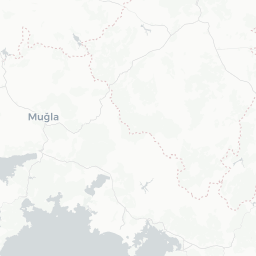
Marmaris sits at the point where the Aegean and Mediterranean seas meet, tucked into a deep natural bay surrounded by pine and cedar forests in Muğla Province. The town's setting — a crescent-shaped seafront backed by hills and flanked by islands — has made it one of Turkey's most recognisable coastal resorts.
Despite a resident population of around 34,000, Marmaris swells dramatically in summer when Turkish and international visitors arrive for its beaches, its restaurants, and its status as one of the premier departure points for the Aegean–Mediterranean 'Blue Voyage' gulet cruises. The old quarter around Marmaris Castle, though modest in scale, provides historical grounding amid the resort activity.
The town divides roughly into the yacht marina and castle area (the older, calmer end), the main promenade (kordon), and Bar Street, which concentrates the nightlife. Icmeler, a quieter resort settlement about 8 km west, is administratively part of Marmaris and popular with families.
Before You Go
Visas
Turkey's entry requirements vary by nationality and are subject to change. Do not rely on outdated information. Check TravelerPulse's Visas section for a current overview, and verify your specific situation directly with the official Turkish immigration authority or the nearest Turkish consulate before travel.
Health
No vaccinations are mandatory for entry from most countries, but routine vaccinations should be up to date. Tap water is generally not recommended for drinking; bottled water is inexpensive and widely available. Pharmacies (eczane) are plentiful and pharmacists are often a first point of contact for minor ailments.
Travel insurance
Comprehensive travel insurance covering medical evacuation is strongly recommended. Private hospitals serving tourists exist in the area; verify coverage and hospital acceptance with your insurer before departure.
When to go
- May–June: Temperatures pleasant (low-to-mid 20s °C), sea warm enough to swim, far fewer crowds than peak summer.
- July–August: Hottest months, very busy, higher prices; book accommodation well in advance.
- September–October: Still warm and sunny, sea temperature remains comfortable, crowds thinning — widely regarded as the best balance.
- November–March: Most beach-focused businesses close; the town is quiet but still inhabited and functional.
Getting There
By air
The nearest major airport is Dalaman Airport (DLM), approximately 90 km east of Marmaris. It handles substantial international charter and scheduled traffic, particularly in summer. Bodrum–Milas Airport (BJV) is a secondary option, roughly 130 km to the north, though transfer times are longer.
From Dalaman, shared shuttle buses (havalimanı servisi) and private transfers operate to Marmaris; journey time is typically 1.5–2 hours depending on stops and traffic. Verify current operators and fares locally or through your accommodation.
By bus
Marmaris is well connected to major Turkish cities by long-distance coach (otobüs). Carriers such as Pamukkale, Kamil Koç, and others operate routes from İzmir, Bodrum, Fethiye, and beyond. The otogar (bus station) is a short distance from the town centre. Schedules and fares change seasonally — confirm on the operator's website or at the terminal.
By sea
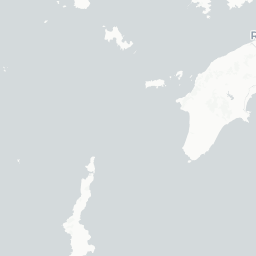
A ferry service operates between Marmaris and Rhodes (Rodos), Greece, in season. Crossing time is roughly one hour. Schedules, fares, and seasonal operation dates should be confirmed with ferry operators closer to your travel date, as they vary year to year.
Getting Around
Within Marmaris
The town centre, marina, and castle area are compact and walkable. The main promenade along the waterfront is flat and easy to navigate on foot.
Dolmuş
Shared minibuses (dolmuş) are the primary local transit option and connect Marmaris centre with Icmeler, Armutalan, and other nearby settlements at affordable fares. Routes and stops are generally signed; ask locally for current fares and departure points.
Water taxis and boat trips
Boats depart regularly from the marina to nearby bays, islands, and beaches that are difficult to reach by road. Day-trip boats to destinations such as Phosphorescent Cave (Fosforlu Mağara), Kumlubük, and surrounding coves are a standard feature of the Marmaris experience. Negotiate fares or book through a reputable local agent.
Car and scooter hire
Several rental agencies operate in town. A vehicle is useful for reaching beaches and viewpoints beyond the dolmuş network, such as Turunc or the Bozburun Peninsula. Verify licence requirements (an International Driving Permit is recommended for non-EU licence holders) and insurance details before signing.
Things to See & Do
Marmaris Castle and Museum
The small Ottoman-era castle sits on a promontory in the old quarter and houses a local archaeology and ethnography museum. The elevated position offers good views over the bay. Opening hours and admission fees — verify on arrival or with the local tourism office.
Blue Voyage (Mavi Yolculuk)
Marmaris is one of Turkey's two main departure points (the other being Bodrum) for gulet cruises along the Turquoise Coast. Itineraries range from day charters to multi-day journeys toward Fethiye, Göcek, and beyond. Both shared-cabin and private charter options are available; compare operators carefully and clarify what is included in quoted prices.
Beaches and bays
- Icmeler Beach: The main sandy beach west of the centre; generally calmer than the town beach.
- Turunc: A small, scenic cove accessible by dolmuş or boat, popular for its clearer water.
- Kumlubük and Selimiye: Further along the Bozburun Peninsula; quieter, reached by road or sea.
- Town beach (Marmaris Plajı): Convenient but can be very crowded in peak season.
Bozburun Peninsula
The road south toward Bozburun and Selimiye winds through pine forest and passes small fishing villages. It rewards those with a vehicle or a day on a boat and is significantly less developed than the main resort strip.
Watersports
Jet-skiing, parasailing, diving, snorkelling, and kayaking are all offered by operators along the seafront. Dive sites in the bay include a small wreck and rocky reefs; verify operator certifications (PADI or equivalent) before booking.
Atlantis Waterpark
A commercial waterpark located near the town; a practical option for families with children. Verify current opening hours and admission fees directly with the venue.
Food & Drink
What to eat
Marmaris sits in a region where Aegean and Mediterranean culinary traditions overlap. Seafood is central: fresh fish (levrek/sea bass, çipura/sea bream, barbunya/red mullet) served grilled is a staple. Mezes — small dishes such as haydari (yoghurt with herbs), patlıcan salatası (aubergine salad), and midye tava (fried mussels) — typically precede a main course in traditional fish restaurants.
The local area is known for honey (particularly pine honey from the surrounding forests), natural sponges, and the resinous spirit rakı, which accompanies seafood in the local tradition. Marmaris also produces some local olive oil.
Where to eat
The waterfront and the streets around the bazaar contain a wide range of restaurants from simple lokanta (everyday Turkish diners) to seafood restaurants oriented toward tourists. Quality and price vary considerably. Restaurants on or immediately adjacent to the main promenade tend to be pricier; exploring a few streets back often yields better value. The bazaar area has small eateries serving gözleme (stuffed flatbread), pide, and döner at lower price points.
Drinks
Turkish tea (çay) and coffee are available everywhere. Freshly squeezed pomegranate and orange juice is sold at street stalls. Alcohol is widely available in tourist-facing establishments; rakı, Turkish beer (Efes is ubiquitous), and wine are standard. Bar Street concentrates the late-night drinking scene and is loud and busy on summer evenings.
Shopping
Marmaris has an extensive covered bazaar (çarşı) selling leather goods, textiles, spices, jewellery, ceramics, and souvenirs. Bargaining is expected in bazaar stalls for non-fixed-price items, though not in regular shops. Quality varies; inspect goods carefully and be sceptical of implausible claims about materials.
Notable local products worth seeking out include pine honey, natural sea sponges from the region, and locally produced olive oil. Spice shops sell Turkish blends, teas, and dried herbs. Ceramic and tile work is widely sold but much of what is sold in resort shops is mass-produced; pieces from smaller artisan workshops tend to be of better quality.
Fixed-price shops and supermarkets (Migros, A101, and similar chains are present) do not involve negotiation and are straightforward for everyday shopping needs.
Practical Information
Money
ATMs are widely available in the town centre and marina area. Credit cards are accepted in most hotels and larger restaurants, but smaller lokanta, dolmuş, and market stalls operate cash-only. Carry some Turkish Lira for day-to-day expenses.
Communications
Mobile coverage (4G/LTE) is good throughout the town. Free Wi-Fi is offered by most hotels and many cafés. If using a foreign SIM, roaming charges can be significant; buying a local prepaid SIM at the airport or in town is often more economical — bring your passport, as registration is required.
Emergency contacts
Turkey's general emergency numbers: 112 (ambulance/medical), 155 (police), 110 (fire). These are correct as of the time of writing but verify locally on arrival. The nearest hospital with significant capacity for tourists is in Marmaris; your hotel can direct you to the closest appropriate facility.
Electricity
Turkey uses Type F (Schuko) sockets at 230V/50Hz. Visitors from the UK, US, or other regions should bring an appropriate adaptor.
Tipping
Tipping is appreciated but not mandatory. Rounding up a restaurant bill or leaving 10% in sit-down restaurants is customary. Tip taxi drivers by rounding up the fare; tipping hotel staff is at your discretion.
Safety
Marmaris is generally considered safe for tourists. Petty theft — pickpocketing in crowded bazaar and nightlife areas — is the most commonly reported issue. Keep valuables secured and be aware of your surroundings on Bar Street late at night when the area is at its most crowded.
Scams targeting tourists do occur: unsolicited offers to guide you to 'a cousin's carpet shop' or aggressive touts outside restaurants are common resort phenomena. Polite, firm refusal is effective. When taking a taxi, insist on the meter being used or agree on a price before you depart.
Sea conditions in the bay are generally calm, but if hiring a boat independently or joining a small-operator day trip, confirm that life jackets are on board. Jellyfish appear occasionally in the bay in late summer — ask locally before swimming.
Check your government's current travel advisory for Turkey before departure, as broader regional or political conditions can affect guidance.
Local Culture & Etiquette
Marmaris is a heavily tourism-oriented town and is more cosmopolitan and liberal in dress and behaviour norms than inland Turkish cities. Beachwear is appropriate on the beach and around the marina but covered clothing is respectful when visiting the castle, the bazaar, or any mosque in the area.
Friday is not a public holiday in Turkey (unlike in some Muslim-majority countries), and businesses operate normally through the week. During Ramadan — dates shift annually following the lunar calendar — some local (non-tourist-facing) establishments may adjust hours or not serve food and drink during daylight hours; verify the calendar before travel if this is a concern.
Basic courtesy in Turkish goes a long way: merhaba (hello), teşekkür ederim (thank you), and lütfen (please) are appreciated. Turks are generally hospitable and accustomed to visitors, but treating locals with ordinary respect rather than purely transactional interaction is always noted positively.