Translate
Overview
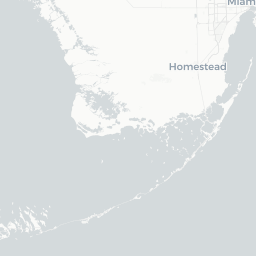
Big Pine Key sits roughly midway down the Florida Keys, about 30 miles northeast of Key West on US-1 (the Overseas Highway). With a permanent population of just over 4,000, it is one of the larger keys by land area but one of the quieter stops in the island chain — a deliberate contrast to the bustle of Key West or the resort atmosphere of Islamorada.
The island is best known as the primary habitat of the Key deer (Odocoileus virginianus clavium), a federally endangered subspecies of white-tailed deer that stands roughly knee-height to an adult human. The National Key Deer Refuge, established in 1957, protects thousands of acres across Big Pine Key and neighboring No Name Key, and the deer are genuinely wild — small herds wander neighborhoods and roadsides, especially at dawn and dusk.
Outside the deer refuge, Big Pine Key offers access to excellent snorkeling and diving at Looe Key National Marine Sanctuary, freshwater blue holes, kayak trails through backcountry mangroves, and a low-key local dining scene. Travelers who want nature, quiet, and a real sense of the old Keys come here; travelers seeking nightlife and resort amenities generally continue to Key West.
Before You Go
Entry and Visas
Big Pine Key is a domestic US destination. International visitors should check TravelerPulse's Visas section and the official US Customs and Border Protection website (cbp.gov) for current entry requirements, as rules vary significantly by nationality.
When to Go
The dry season (November–April) brings lower humidity, temperatures typically in the 70s °F, and far fewer mosquitoes and no-see-ums. Summer and early fall are hot and humid, with afternoon thunderstorms common and a higher risk of hurricane activity (Atlantic hurricane season runs June 1–November 30). Mosquitoes can be intense in summer, particularly near the refuge's freshwater areas — pack repellent regardless of when you visit.
What to Pack
- High-SPF reef-safe sunscreen (required in many Florida Keys waters)
- Insect repellent (DEET or picaridin-based)
- Snorkel gear or plan to rent locally
- Water shoes for rocky shoreline areas
- Cash — some small local businesses do not accept cards
Important Wildlife Notes
Federal law strictly prohibits feeding, touching, or harassing Key deer. Speed limits in the refuge drop significantly — posted limits must be observed, and deer-related road fatalities are a documented conservation concern. Do not attempt to interact with or attract deer.
Getting There
By Air
The nearest commercial airport with regular service is Key West International Airport (EYW), approximately 30 miles southwest. Miami International Airport (MIA) and Fort Lauderdale-Hollywood International Airport (FLL) are both roughly 120 miles to the northeast and offer far broader flight options. Car rental from Miami or Fort Lauderdale and driving the Overseas Highway is the most common approach for visitors.
By Car
US-1 (the Overseas Highway) is the only road linking the Keys. Big Pine Key is at roughly Mile Marker 30–33. The drive from Miami takes approximately 2.5–3 hours under normal conditions, though traffic can be significantly heavier on weekend mornings heading south and Sunday afternoons heading north. There is no bypass; plan accordingly.
By Bus
Florida Keys Bus Service operates scheduled service along US-1 connecting Marathon, Big Pine Key, and Key West. Schedules and fares should be verified directly with the Miami-Dade Transit/Monroe County transit authority, as service is limited. This option works for light travelers but is not practical for those wanting to explore the refuge or backcountry.
Getting Around
A personal vehicle is essentially required to make the most of Big Pine Key. The island is spread out, the refuge access points are scattered, and there is no meaningful rideshare presence locally. Cycling is feasible on and near US-1 for short distances, but the highway has limited shoulders in places and traffic moves quickly.
For water-based exploration, kayak and canoe rentals are available from local outfitters — verify current operators and hours locally, as small businesses in the Keys change seasonally. Guided backcountry kayak tours are a good option if you are unfamiliar with the mangrove channels, which can disorient first-time visitors.
Boat ramps provide access to Florida Bay on the Gulf side and the Atlantic side. If you are trailering a boat, check current ramp conditions and any permit requirements with the Florida Fish and Wildlife Conservation Commission before arrival.
Things to See & Do
National Key Deer Refuge
The refuge encompasses more than 9,000 acres across multiple keys. The Blue Hole — a former quarry that is now a freshwater pond — is a popular and accessible stop inside the refuge; American alligators and a variety of wading birds are commonly seen there. A short nature trail leads from the Blue Hole through pine rockland habitat, one of the most endangered ecosystems in Florida. The refuge is managed by the US Fish and Wildlife Service; check their website for current access information and any seasonal restrictions.
Looe Key National Marine Sanctuary
Located a few miles offshore, Looe Key is considered one of the finest coral reef dive and snorkel sites in the Florida Keys. The reef is part of the larger Florida Keys National Marine Sanctuary. Snorkel and dive trips depart from nearby operators — verify current operators and book in advance during peak season.
Kayaking and Paddleboarding
The backcountry waters on the Gulf side of Big Pine Key offer calm, shallow paddling through mangrove tunnels and seagrass flats with opportunities to spot sea turtles, rays, and shore birds. Guided tours are recommended for first-time visitors.
No Name Key
A short drive and bridge hop from Big Pine Key, No Name Key is largely undeveloped and part of the refuge. It is known for a small population of Key deer and a famously informal local watering hole (the No Name Pub) that has operated for decades.
Fishing
Big Pine Key is a legitimate destination for backcountry fishing — bonefish, permit, and tarpon are targeted in the flats. Nearshore and offshore fishing is also popular. A Florida saltwater fishing license is required for most fishing; verify current regulations with the Florida Fish and Wildlife Conservation Commission.
Food & Drink
Dining options in Big Pine Key are limited in number but tend toward casual and unpretentious — think fresh seafood, fish sandwiches, and Keys-style comfort food rather than fine dining. The local dining scene is subject to change; verify current hours and operations before going, as small restaurants in the Keys adjust seasonally or close without much notice.
The No Name Pub on No Name Key is a regional institution — a cash-only, dollar-bill-covered bar and pizza joint that has been operating since the 1930s. It draws both locals and visitors and is worth the short drive. Arrive early in the evening as waits can develop.
For broader grocery shopping and provisioning, a Winn-Dixie supermarket is located on Big Pine Key, making it a practical resupply stop for those continuing further down the Keys. A small number of local restaurants, delis, and food trucks round out the options. Key West, 30 miles southwest, has significantly more dining variety if that is a priority.
Practical Information
Emergency Services
For any emergency in the United States, dial 911. The nearest hospital with full emergency services is Lower Keys Medical Center in Key West — verify its current address and capabilities before travel, particularly if traveling with medical needs.
Connectivity
Cell coverage from major US carriers is generally adequate along US-1 and in town, but can be spotty in parts of the refuge and backcountry. Do not rely entirely on mobile navigation in mangrove areas.
Money
ATMs are available on the island, but carrying some cash is advisable. Several small businesses, including the No Name Pub, are cash-only.
Weather Awareness
Monitor the National Hurricane Center (nhc.noaa.gov) during hurricane season. The Florida Keys have one evacuation route — US-1 north — and mandatory evacuations are issued with meaningful lead time. If an evacuation order is issued, follow it immediately; do not attempt to shelter in place on a low-lying key.
Reef-Safe Sunscreen
Florida law restricts sunscreens containing oxybenzone and octinoxate in state waters. Use reef-safe alternatives to comply with local regulations and protect the coral ecosystem.
Safety
Big Pine Key is a low-crime, quiet community. Standard travel precautions apply — secure valuables in your vehicle and do not leave gear visible in parked cars at trailheads or boat ramps.
Wildlife safety deserves specific attention here. Key deer may appear tame but are wild animals. Federal fines apply for feeding them. Alligators are present at the Blue Hole and in some freshwater areas — maintain a safe distance and never feed them. When snorkeling or diving, follow sanctuary guidelines: do not touch coral, do not collect anything, and be aware of boat traffic when surfacing.
Sun and heat pose genuine risks year-round. Dehydration and sunburn can develop quickly on the water. Bring more water than you think you need, apply sunscreen frequently, and watch for signs of heat exhaustion during summer months.
Mosquitoes and no-see-ums can be severe depending on season and wind conditions. Long sleeves at dawn and dusk, combined with effective repellent, significantly reduce discomfort in natural areas.