Translate
Overview
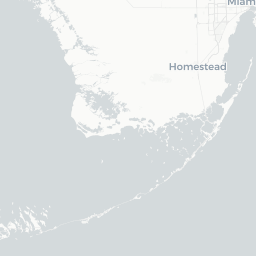
Key West sits at the end of the Florida Keys archipelago, roughly 160 miles southwest of Miami and just 90 miles north of Cuba. With a permanent population of around 25,000, it is one of the most compact and walkable small cities in the United States, yet it draws millions of visitors each year.
The island has a layered identity: a working port with a history in wrecking, sponging, and cigar manufacturing; a haven for writers and artists including Ernest Hemingway and Tennessee Williams; and a place long associated with tolerance and LGBTQ+ community life. Today tourism is the economic backbone, but the city retains a distinct local culture known as "Conch" culture, after the Caribbean mollusks once harvested here.
The surrounding waters are part of the Florida Keys National Marine Sanctuary, protecting the only living coral barrier reef in the continental United States. That ecological context shapes almost everything visitors can do on and around the island—from snorkeling and diving to fishing and kayaking through mangrove channels.
Before You Go
Visas and Entry
Key West is a US city; standard US entry requirements apply. For visa guidance, check TravelerPulse's Visas section and the official US Customs and Border Protection website (cbp.gov) or the US embassy or consulate in your home country.
Weather
Key West has a tropical savanna climate. The dry season runs roughly November through April with lower humidity and temperatures typically in the low-to-mid 70s°F (low-to-mid 20s°C). The wet season (May–October) brings higher humidity, frequent afternoon thunderstorms, and the possibility of tropical storms or hurricanes—peak hurricane season is August through October. Always check the National Hurricane Center (nhc.noaa.gov) if traveling in summer or fall.
What to Pack
- Reef-safe sunscreen (required in Florida Keys waters—verify current regulations locally)
- Light, breathable clothing year-round; a light layer for cooler winter evenings
- Water shoes if you plan to snorkel or visit rocky shorelines
- Rain gear or a compact umbrella for wet-season trips
Health
No vaccinations are required beyond standard US travel norms. Mosquitoes and no-see-ums can be active, especially in summer—bring insect repellent. Tap water is safe to drink.
Getting There
By Air
Key West International Airport (EYW) is a small regional airport located close to the center of the island. It handles direct flights from several major US hubs; routes and carriers change seasonally, so verify current options when booking. Many travelers also fly into Miami International (MIA) or Fort Lauderdale-Hollywood International (FLL) and continue by road or shuttle.
By Road
US Route 1 (the Overseas Highway) is the only road connection to the Keys, crossing 42 bridges over roughly 113 miles from Florida City to Key West. The drive from Miami typically takes 3.5 to 4.5 hours depending on traffic. Traffic on US-1 through the Keys can be heavy on weekends and holidays—plan accordingly.
By Bus
Greyhound and Keys Shuttle services operate between Miami and Key West; verify current schedules and fares directly with operators. The Florida Keys Express bus (operated by Miami-Dade Transit in coordination with Monroe County) has historically provided a transit option—confirm availability locally.
By Sea
Several cruise lines include Key West as a port of call. The historic seaport area accommodates both large cruise ships and smaller vessels. Ferry services from Fort Myers Beach and Marco Island have operated in past seasons; verify current availability before planning a trip around them.
Getting Around
Key West's Old Town and most visitor attractions are concentrated in an area that is genuinely walkable. The island itself is only about 4 miles long and 2 miles wide.
Bicycle
Bicycling is one of the most practical and popular ways to get around. Numerous rental shops operate across the island; verify current rental rates locally. Most streets are flat and distances are short.
Scooter and Golf Cart
Moped and scooter rentals are widely available. Golf carts are also rented and are a distinctive feature of Key West street life—useful for carrying bags or groups. Confirm local traffic rules and licensing requirements before renting.
The Conch Train and Old Town Trolley
Two narrated sightseeing circuits—the Conch Train and the Old Town Trolley—run routes covering major landmarks. Both offer hop-on options; verify current schedules and fares directly with operators.
Taxi and Rideshare
Taxis operate on the island and rideshare apps (Uber, Lyft) have coverage, though availability can be limited at peak times. Water taxis serve some harbor areas.
Things to See & Do
Sunsets at Mallory Square
The nightly Sunset Celebration at Mallory Square is Key West's most iconic ritual. Street performers, artists, and food vendors gather on the waterfront dock as the sun drops over the Gulf of Mexico. Arrive 30–45 minutes before sunset to find a good spot.
Coral Reef Snorkeling and Diving
The Florida Keys National Marine Sanctuary protects some of the most accessible coral reef in North America. Numerous operators run half-day snorkel trips to the reef; scuba charters cater to all experience levels. Confirm current operator credentials and sanctuary regulations locally.
Ernest Hemingway Home and Museum
Hemingway's Spanish Colonial house on Whitehead Street, where he lived from 1931 to 1939, is now a museum. It is famous for its population of polydactyl (six-toed) cats, descendants of a cat Hemingway reportedly kept. Verify current admission prices and hours on the official site.
Southernmost Point Buoy
The large striped buoy marking the southernmost point in the continental US (at the corner of South and Whitehead Streets) is a required photo stop. Expect a queue during peak season.
Dry Tortugas National Park
About 70 miles west of Key West, Dry Tortugas is accessible only by boat or seaplane and protects pristine reef, sea turtle nesting habitat, and the 19th-century Fort Jefferson. Day trips and overnight camping are available—verify current reservation requirements through the National Park Service (nps.gov/drto).
Duval Street
The main commercial spine of Old Town runs from the Gulf to the Atlantic. It contains bars, restaurants, galleries, and shops. It is lively at night but also worth exploring by day for its architecture and smaller side streets.
Water Sports
Kayaking through mangrove channels, paddleboarding, parasailing, jet skiing, and sport fishing (offshore and backcountry) are all well-established here. Operators are concentrated around the Historic Seaport district; verify credentials and current pricing locally.
Food & Drink
Key West's Food Identity
Key West has a genuinely distinctive culinary identity rooted in its Caribbean and maritime history. Conch fritters, stone crab claws (in season, roughly October through May), grilled or blackened fish, and Key lime pie are the dishes most closely tied to the island. Key lime pie here is made with the small, tart Key limes native to the region; the filling should be pale yellow, not green.
Where to Eat
Restaurants cluster along Duval Street and the side streets of Old Town, as well as around the Historic Seaport. The range runs from casual open-air fish shacks to more formal dining rooms. Reservations are advisable at popular spots during high season (December–March). Rather than name specific restaurants—which open, close, and change frequently—consult recent reviews on platforms like Google Maps or Yelp, or ask at your accommodation.
Drinking
Key West has a robust bar culture. Sloppy Joe's Bar on Duval Street has a long historical association with Hemingway-era Key West. Sunset tiki bars along the harbor front are popular in the evening. Several local distilleries and craft breweries have opened in recent years; verify current operations locally.
Practical Notes
- Many restaurants add an automatic gratuity for larger parties—check your bill
- Outdoor dining is common year-round; seating can fill quickly during peak hours
- Grocery stores and a farmers market serve visitors who prefer self-catering
Shopping
Shopping in Key West is centered on Duval Street and the surrounding Old Town blocks. Expect a mix of souvenir shops, art galleries, clothing boutiques, and locally produced goods.
The island has a notable community of working artists; several galleries sell original paintings, photography, and sculpture tied to the Keys' landscape and light. The Key West Craft Show and Art Festival, held annually, draws regional artisans—verify dates locally.
Locally produced items worth looking for include hand-rolled cigars (a legacy of the 19th-century Cuban cigar industry), Key lime–based food products (pie filling, hot sauce, candy), and sponge-related goods from the broader Keys tradition. As with anywhere, verify authenticity if provenance matters to you.
Practical Information
Emergency Numbers
In any emergency in Key West (and all of the United States), dial 911 for police, fire, or ambulance.
Money
ATMs are widely available. Credit and debit cards are accepted almost universally. Some smaller vendors and food trucks are cash-only—carry a small amount of cash.
Connectivity
Cellular coverage from major US carriers is generally reliable on the island. Wi-Fi is available at most accommodations, cafes, and restaurants.
Tipping
US tipping norms apply: 18–20% at sit-down restaurants, $1–2 per drink at bars, $1–2 per bag for bellhops, and similar amounts for other service workers. Tipping tour guides is customary.
Accessibility
The flat terrain makes Key West relatively manageable for mobility-limited visitors, though older historic buildings may not be fully accessible. Verify specific accessibility needs with attractions and accommodations in advance.
Useful Contacts
- Monroe County Tourist Development Council: fla-keys.com (verify current site)
- Key West city government: cityofkeywest-fl.gov (verify current site)
- National Hurricane Center: nhc.noaa.gov
Safety
Key West is generally considered a safe destination for tourists. Petty theft—especially bicycle theft—does occur; use a good lock and don't leave valuables visible in vehicles or unattended on the beach.
Duval Street can become very loud and crowded late at night, particularly on weekends and during events like Fantasy Fest (held each October). Exercise the same situational awareness you would in any busy nightlife area.
Marine safety is important. Currents and boat traffic around the island can be hazardous for swimmers; always swim in designated areas, heed posted flags, and respect no-wake zones if operating a watercraft. The Florida Fish and Wildlife Conservation Commission sets boating regulations—verify locally.
Sun and heat pose real risks even in winter. Stay hydrated, apply sunscreen regularly, and limit unprotected sun exposure during peak afternoon hours, especially on the water.
Local Culture & Etiquette
Key West's culture is shaped by its geographic isolation, its history as a port at the crossroads of Caribbean trade routes, and successive waves of migration—from Bahamians and Cuban cigar workers in the 19th century to artists, writers, and LGBTQ+ communities in the 20th century. This history has produced an identity that locals call "Conch," a term that originally applied to Bahamian settlers and now applies more broadly to those born on the island.
The city has been a recognized center of LGBTQ+ life since the 1970s and maintains that identity today, reflected in its bars, events, and general social atmosphere. Fantasy Fest, held each October, is a ten-day arts and costume festival that draws large crowds and has an adults-oriented character—visitors with children should research the event calendar before booking travel during that period.
Key West has a tradition of literary and artistic life. The Studios of Key West and the Key West Literary Seminar are active institutions. The island's writers' legacy is formally recognized through the Key West Literary Heritage Trail, a self-guided walking tour of plaques marking significant locations.
Locals generally value a relaxed pace—the phrase "Key West time" is used to describe a slower approach to schedules—but they are not indifferent to the pressures of overtourism, traffic, and environmental degradation of the reef. Visitors who respect the natural environment, follow reef sanctuary rules, and engage respectfully with the local community tend to have better experiences.