Translate
Overview
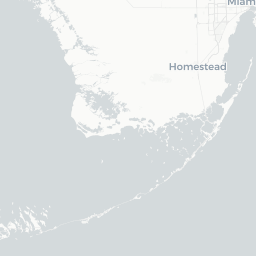
Key Colony Beach is a small incorporated city on a man-made island within Marathon, Florida, situated roughly at the midpoint of the Florida Keys island chain. With a permanent population of fewer than 1,000 residents, it functions as a quiet, largely residential enclave that feels distinctly removed from the busier commercial strips of nearby Marathon.
The city occupies a grid of canals and streets on the Gulf (bay) side of US-1, giving most properties direct water access. Its calm, shallow canal system makes it particularly appealing to boaters, anglers, and kayakers who prefer sheltered waters over the open Atlantic.
Visitors typically come here to slow down. There are no theme parks, no major resort hotels, and no nightlife districts. What Key Colony Beach offers instead is proximity to world-class fishing, snorkeling at the Florida Keys National Marine Sanctuary, and the authentic, unhurried pace that draws people to the Keys in the first place.
Because Key Colony Beach is functionally integrated with Marathon, most dining, shopping, and services are found just minutes away on US-1. Think of Key Colony Beach as a residential neighborhood that happens to be its own municipality — a base camp for Middle Keys exploration rather than a self-contained destination.
Before You Go
Entry Requirements
Key Colony Beach is a US city. International travelers should check TravelerPulse's Visas section and the official US Customs and Border Protection website (cbp.gov) for current entry requirements. Do not rely on secondhand summaries for visa specifics.
What to Pack
- Lightweight, breathable clothing year-round; evenings can be cool November through February
- Sun protection is essential: high-SPF sunscreen, UV-protective clothing, a wide-brimmed hat, and polarized sunglasses
- Reef-safe sunscreen is strongly encouraged given the proximity to protected coral reef ecosystems
- Insect repellent, particularly if you plan to be outdoors near canals around dawn or dusk
- Water shoes if you intend to wade or access the shoreline
Weather
Key Colony Beach has a tropical climate. The dry season (roughly November–April) brings lower humidity and temperatures generally in the mid-60s to low 80s°F. The wet season (May–October) is hot and humid, with frequent afternoon thunderstorms and a heightened risk of tropical storms and hurricanes. Always monitor the National Hurricane Center (nhc.noaa.gov) if traveling June through November.
Connectivity
Cell coverage from major US carriers is generally adequate in the Marathon/Key Colony Beach area, though it can be inconsistent on the water. Download offline maps before arriving.
Getting There
By Air
The nearest commercial airport is Florida Keys Marathon Airport (MTH), located in Marathon just minutes from Key Colony Beach. It serves limited regional routes; verify current airlines and schedules directly with the airport or your preferred booking platform. Miami International Airport (MIA) and Fort Lauderdale-Hollywood International Airport (FLL) are the primary large-airport options, each roughly 100–120 miles north via US-1 and the Florida Turnpike.
By Car
Driving is the most practical way to reach Key Colony Beach. From Miami, follow the Florida Turnpike south to Florida City, then take US-1 (Overseas Highway) south through the Keys. Key Colony Beach is accessed via Key Colony Beach Causeway, which connects to US-1 near Mile Marker 53.5. Allow at least two hours from Miami under normal traffic conditions; holiday weekends and peak season can significantly extend drive times.
By Bus
Florida Keys Bus Service operates routes along US-1 connecting Key Largo to Key West with stops in the Marathon area. This is a practical but slow option. Verify current schedules and fare information at the Miami-Dade Transit or Monroe County websites before travel.
Car Rental
Renting a car is strongly advised. While Key Colony Beach itself is walkable, accessing Marathon's restaurants, the boat ramp, and surrounding Keys attractions essentially requires a vehicle. Rental agencies operate at MTH and at Miami and Fort Lauderdale airports.
Getting Around
Key Colony Beach itself is small enough to navigate on foot or by bicycle — the grid layout is flat and compact. Many visitors bring or rent bicycles to get around the island's streets and access the beachfront park.
For anything beyond the immediate island, a car is necessary. US-1 is the sole highway artery through the Keys, and Marathon's marinas, grocery stores, restaurants, and services are all a short drive away. Rideshare availability (Uber, Lyft) exists in the Marathon area but is less reliable than in larger cities; verify availability before depending on it.
Boating is a practical and popular mode of local transport. Many vacation rentals and some accommodations offer canal-side docking. If you have or rent a vessel, nearby sandflats, the backcountry, and offshore reefs are all accessible by water.
Where to Stay
Accommodation in Key Colony Beach is dominated by vacation rental homes and condominiums rather than traditional hotels. Canal-front and waterfront properties with private docks are a defining feature of the rental inventory here, and they book well in advance during peak season (December through April) and holiday weekends.
Search for rentals through established platforms such as VRBO, Airbnb, or local Keys-based property management companies. When booking a canal-front property, confirm dock dimensions, boat lift availability, and any HOA restrictions on watercraft if those factors matter to your trip.
For travelers who prefer hotel-style accommodation with front-desk service, Marathon (immediately adjacent) has a broader selection of motels, hotels, and resort properties along US-1. Verify current options and rates directly with booking platforms, as inventory changes.
Book early for the winter dry season, especially around Thanksgiving, Christmas, New Year's, and Presidents' Day weekend. Last-minute availability during peak periods is limited and prices are typically higher.
Things to See & Do
Fishing
Fishing is the central activity drawing visitors to Key Colony Beach and the broader Middle Keys. The area offers access to flats fishing in Florida Bay (bonefish, permit, tarpon), offshore reef fishing in the Atlantic, and blue-water trolling in the Gulf Stream. Numerous charter fishing operations are based in Marathon; verify availability and rates directly with individual operators.
Snorkeling and Diving
The Florida Keys National Marine Sanctuary encompasses the world's third-largest barrier reef system, accessible from the Marathon area. Sombrero Reef, marked by a prominent lighthouse, is one of the most visited reef sites in the Middle Keys and is reachable by short boat trip. Several dive shops and snorkel tour operators are based in Marathon.
Kayaking and Paddleboarding
The calm, shallow waters of Florida Bay and the backcountry flats are well suited for kayaking and stand-up paddleboarding. The canal system within Key Colony Beach itself provides a sheltered, no-wake environment for beginners.
Key Colony Beach Park
The city maintains a small public beach and park area on the Atlantic side. It is a low-key spot for swimming, picnicking, and watching sunrises. Facilities and hours should be verified locally, as they can change.
Exploring Marathon and the Middle Keys
The nearby Crane Point Museum and Nature Center in Marathon preserves native hardwood hammock habitat and local history exhibits and is worth a visit. The Marathon Turtle Hospital, a working sea turtle rehabilitation facility, offers tours — book in advance as they are popular. Verify current tour availability and fees on the Turtle Hospital's official website.
Food & Drink
Key Colony Beach has very limited dining options of its own given its size. The primary dining scene for visitors staying here is in Marathon, a short drive north on US-1.
Marathon's restaurant scene reflects the Keys generally: a mix of casual waterfront seafood spots, fish houses, tiki bars, and some counter-service options. Fresh local seafood — particularly stone crab (in season, roughly October through May), yellowtail snapper, mahi-mahi, and lobster — is a highlight. Verify current restaurant hours and seasonal closures locally, as smaller Keys restaurants often adjust their schedules.
Grocery shopping for self-catering (the norm for vacation rental guests) is done in Marathon, which has supermarket options along US-1. Stock up when you arrive, as running out for a single item means a drive. If you are arriving late or on a Sunday evening, check store hours in advance.
Alcohol is available at grocery and liquor stores. There is no dry municipality issue in this part of Monroe County.
Practical Information
Emergency Services
Dial 911 for all emergencies. Monroe County Sheriff's Office serves the Keys. The nearest hospital with emergency services is Fishermen's Community Hospital in Marathon; verify its current status and services before your trip, as healthcare infrastructure in the Keys is limited relative to mainland Florida.
Money
US dollars are the currency. ATMs are available in Marathon. Most businesses accept major credit cards, though smaller charters or local vendors may prefer cash — bring some.
Internet and Phone
Major US carrier coverage (Verizon, AT&T, T-Mobile) is generally functional in Key Colony Beach and Marathon. Signal can drop on the water or in more remote areas of the backcountry.
Fuel
Gas stations are located in Marathon on US-1. If you are boating, marine fuel is available at marinas in the area; verify locations and hours before heading out, as fuel availability on the water is not universal.
Noise and Ordinances
Key Colony Beach is a quiet residential community. Respect noise ordinances, posted speed limits (the canal waterways are no-wake zones), and any rules specific to your rental property.
Safety
Key Colony Beach is a safe, low-crime residential community. Standard travel awareness — securing valuables, not leaving items visible in parked vehicles — applies.
Marine Safety
If boating, be aware that the flats and backcountry have very shallow areas that can ground vessels; local knowledge or a detailed nautical chart is essential. Always file a float plan, carry required safety equipment, and check weather forecasts before departing. Afternoon thunderstorms develop rapidly in summer and pose a serious lightning risk on open water.
Sun and Heat
Ultraviolet exposure is intense year-round at this latitude. Sunburn and heat exhaustion are genuine risks, especially for visitors unaccustomed to subtropical conditions. Hydrate consistently and limit midday sun exposure in summer.
Wildlife
The waters around Key Colony Beach are part of a protected marine ecosystem. Do not touch, stand on, or anchor on coral. Encounters with jellyfish, sea urchins, and stingrays are possible; shuffle your feet when wading in sandy shallows to alert stingrays. Observe wildlife (dolphins, manatees, sea turtles) from a distance and never feed or harass marine animals — doing so is illegal under federal law.
Hurricane Preparedness
If a hurricane watch or warning is issued for the Keys, do not attempt to ride it out. The Florida Keys are a barrier island chain with limited evacuation routes; heed all evacuation orders promptly and well before conditions deteriorate.